The digital transformation of manufacturing has brought metal 3D printing from a niche prototyping tool to a mainstream production solution. Engineers, R&D teams, and procurement specialists now search for a “reliable metal 3D printing supplier online” with the same urgency as they once searched for traditional CNC machining partners. But the online marketplace is crowded with options, and distinguishing a truly capable partner from a reseller or a hobbyist operation requires a systematic approach.
This guide is written from the perspective of a senior manufacturing engineer who has evaluated dozens of suppliers, visited production floors, and learned the hard way what separates a reliable partner from a costly mistake. By the end of this article, you will have a clear framework for evaluating potential suppliers, understanding what certifications and capabilities actually matter, and knowing exactly which questions to ask before committing your critical metal parts to a 3D printing service.
The Real Challenge: Why Finding a Reliable Metal 3D Printing Supplier Online Is Harder Than It Looks
Let me be direct with you: the online marketplace for metal 3D printing services is plagued with inconsistency. Many suppliers claim capabilities they do not possess, quote tolerances they cannot hold in production, and promise lead times that are mathematically impossible given their actual equipment load. This creates a trust deficit that slows down innovation across industries.
The core problem is asymmetric information. A supplier’s website might show gleaming machines and impressive case studies, but what matters is whether those machines are running at capacity, whether the engineers operating them understand your specific application requirements, and whether the quality management system is robust enough to catch problems before parts reach your door.
For clients developing humanoid robots, aerospace components, medical devices, or automotive hardware, the stakes are exceptionally high. A single batch of non-conforming parts can delay a product launch, trigger expensive redesigns, or create safety liabilities. This is not the time to gamble with an unknown supplier.
Understanding the Metal 3D Printing Landscape: What Capabilities Actually Matter
Before you begin evaluating suppliers, you need a clear understanding of the technologies involved. Not all metal 3D printing is created equal, and different processes serve different applications.
SLM vs. DMLS vs. Binder Jetting: Choosing the Right Process
Selective Laser Melting (SLM) and Direct Metal Laser Sintering (DMLS) are the most common powder bed fusion technologies. SLM fully melts the metal powder, achieving near 100% density, while DMLS sinters it at a lower temperature, resulting in slightly porous parts. For most structural applications, SLM is the preferred choice because it produces mechanical properties comparable to wrought materials.
Binder Jetting offers faster build speeds and lower costs but requires a secondary sintering step that can cause dimensional shrinkage and warpage. It is excellent for high-volume, less critical geometries, but not ideal for tight-tolerance precision parts.
Laser Powder Directed Energy Deposition (LP-DED) is useful for repair applications and adding features to existing parts, but it generally offers lower resolution and surface finish than powder bed technologies.
When evaluating a supplier, ask specifically which metal 3D printing technologies they operate in-house. A supplier that outsources production is not a manufacturer; they are a middleman, and you lose control over quality, lead time, and cost.
Material Availability and Traceability
A reliable metal 3D printing supplier maintains an inventory of certified metal powders with full traceability back to the mill. Common aerospace and medical-grade materials include:
Titanium alloys (Ti-6Al-4V Grade 5 and Grade 23)
Stainless steels (316L, 17-4PH, 304L)
Aluminum alloys (AlSi10Mg, Al6061, Al7075)
Cobalt-chrome alloys (for medical implants and high-temperature applications)
Tool steels (H13, Maraging Steel, D2)
Nickel superalloys (Inconel 718, Inconel 625, Hastelloy X)
A supplier that can only offer two or three materials is limiting your design freedom. More importantly, ask about material certification. Do they provide mill certificates? Can they demonstrate that powder handling procedures prevent contamination? Material contamination is a leading cause of part failure in additive manufacturing, and it often goes undetected until the part is in service.
The Critical Role of Post-Processing in Metal 3D Printing
This is where many online suppliers fall short. Metal 3D printing does not produce finished parts; it produces near-net-shape blanks that require significant post-processing. The quality of your final part depends far more on post-processing than on the printing itself.
Stress Relief and Heat Treatment
Most metal 3D-printed parts require stress relief annealing immediately after printing to prevent distortion during removal from the build plate. Subsequent heat treatment cycles can improve mechanical properties, reduce residual stress, and achieve desired hardness levels. A reliable supplier must have in-house heat treatment capabilities or documented partnerships with certified heat treatment facilities.
Support Removal and Surface Finishing
Support structures must be removed mechanically, by wire EDM, or by CNC machining. This is a skilled operation; poorly removed supports leave witness marks and stress risers. Surface finishing options include:
CNC machining for critical mating surfaces and threaded holes
Tumbling and vibratory finishing for general surface improvement
Media blasting for uniform matte finish
Electropolishing for smooth surfaces and improved corrosion resistance
Hand polishing for cosmetic components
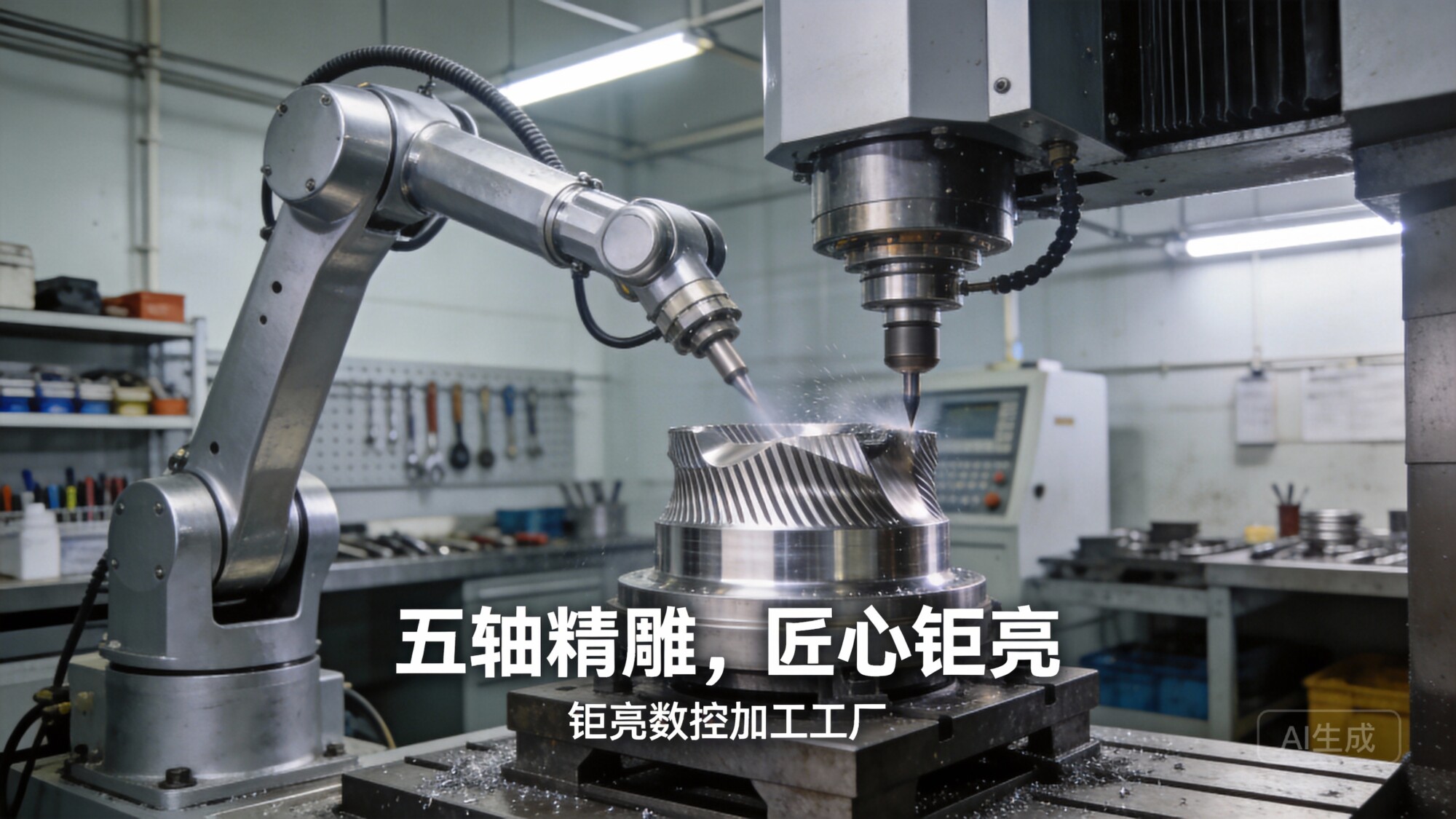
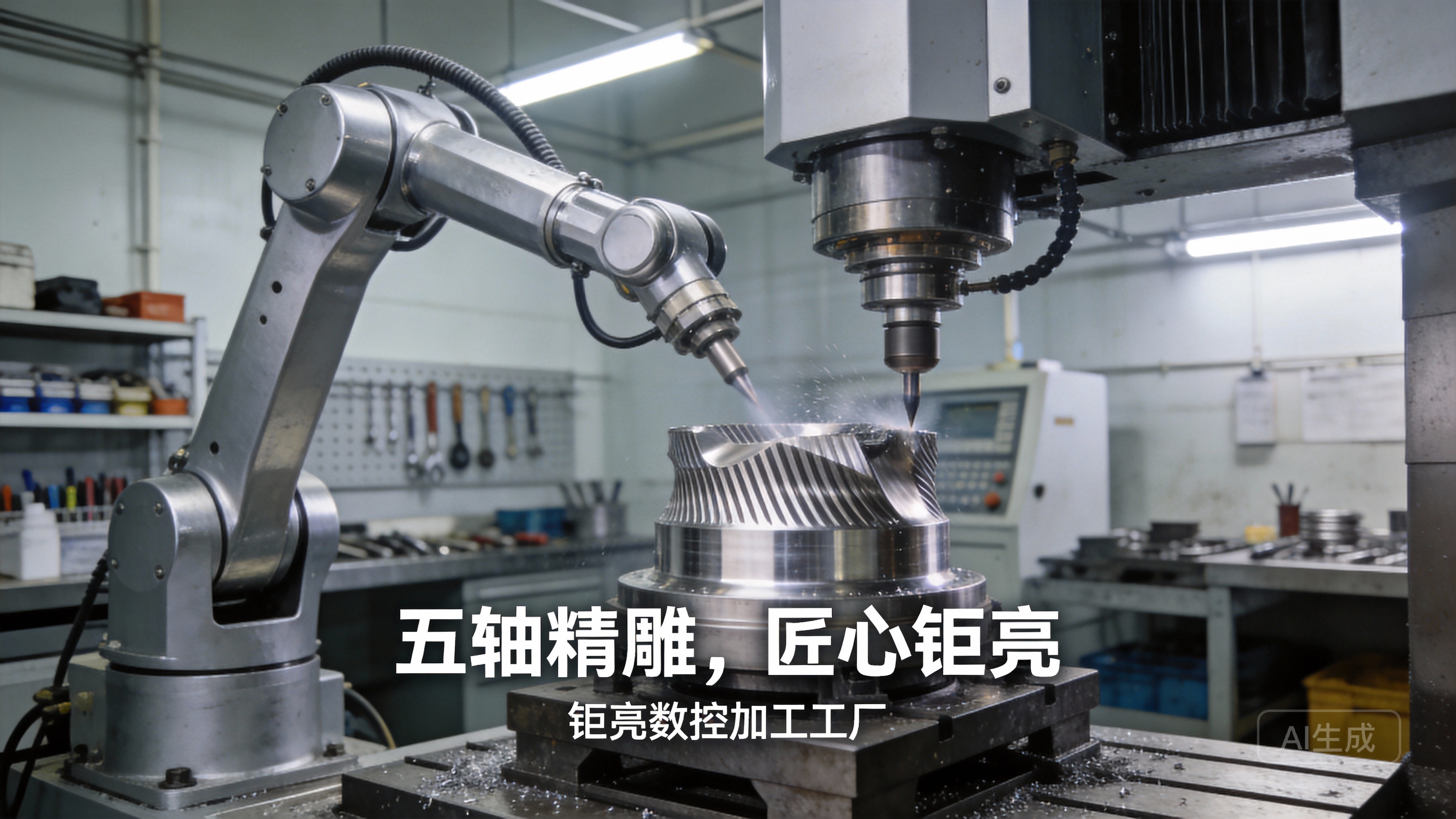
GreatLight CNC Machining Factory excels in this area because of their integrated manufacturing approach. When evaluating a potential supplier, ask whether they offer CNC machining post-processing in-house. If the answer is no, your parts will likely be shipped to a third party, introducing additional handling, lead time, and quality variability.
Inspection and Validation
Your metal 3D-printed parts must be inspected to verify dimensional accuracy, material properties, and internal integrity. Key inspection capabilities include:
CMM (Coordinate Measuring Machine) for dimensional verification
CT scanning for internal defect detection (pores, lack of fusion, cracks)
Metallographic analysis for microstructure verification
Mechanical testing (tensile, hardness, fatigue)
A reliable supplier maintains calibrated inspection equipment and can provide inspection reports with every shipment. If a supplier cannot perform these inspections in-house, or if they cannot provide documented evidence, you are flying blind.
Evaluating Certifications: What the Paperwork Actually Means
Certifications are not just marketing badges; they represent a supplier’s commitment to systematic quality management. However, not all certifications are equally relevant to your project.
ISO 9001:2015 – The Baseline Expectation
ISO 9001 certification means the supplier has a documented quality management system covering everything from incoming material inspection to final shipping. It is the minimum standard you should accept. Be aware, however, that ISO 9001 compliance is audited periodically, and the scope of certification matters. Some suppliers certify only their sales office, not their production facility. Ask for the certificate and verify the scope.
AS9100D – The Aerospace Standard
If your metal 3D-printed parts will be used in aerospace applications, AS9100D certification is non-negotiable. This standard adds requirements for risk management, configuration management, and traceability that go well beyond ISO 9001.
IATF 16949 – The Automotive Standard
For automotive applications, including electric vehicle, engine, and chassis components, IATF 16949 certification demonstrates that the supplier meets the rigorous quality management requirements of the automotive industry. This standard emphasizes defect prevention, continuous improvement, and waste reduction throughout the supply chain.
ISO 13485 – The Medical Device Standard
Medical hardware and implant manufacturing require ISO 13485 certification. This standard addresses risk management, process validation, and regulatory compliance specific to medical devices.
What About ISO 27001?
Data security is increasingly critical, especially for clients developing proprietary products. ISO 27001 certification demonstrates that a supplier has implemented information security management controls to protect your intellectual property. For humanoid robot companies, aerospace primes, and medical device manufacturers, this certification can be the deciding factor.
GreatLight CNC Machining Factory holds ISO 9001:2015, ISO 13485, IATF 16949, and ISO 27001 certifications, providing comprehensive coverage across multiple industries. This breadth of certification reflects depth of quality management across all their operations.
Five Red Flags to Watch for When Evaluating Online Suppliers
After years in this industry, I have learned to recognize warning signs that indicate a supplier is not as reliable as they claim to be.
Red Flag #1: Vague or Missing Technical Specifications
A reliable supplier publishes clear specifications for achievable tolerances, surface finishes, material properties, and maximum part sizes. If the website uses phrases like “industry-leading precision” without specific numbers, or if you must submit a quote request before learning basic capability information, proceed with caution.
Red Flag #2: No Evidence of In-House Post-Processing
As discussed earlier, post-processing determines final quality. If a supplier cannot demonstrate in-house CNC machining, heat treatment, and inspection capabilities, your parts will be subject to the quality and schedule control of third parties.
Red Flag #3: Unreasonably Low Prices
Metal 3D printing is not cheap. The equipment, materials, and skilled labor required to produce quality parts command a fair price. If a quote is dramatically lower than competitors, ask why. Possible explanations include using lower-quality powder, omitting necessary post-processing steps, or taking shortcuts on inspection.
Red Flag #4: Lack of Engineering Support
Metal 3D printing is not a “push button, get parts” technology. Successful projects require design for additive manufacturing (DFAM) expertise, process parameter optimization, and troubleshooting. A supplier that cannot provide engineering consultation during the design phase will likely deliver suboptimal results.
Red Flag #5: No Quality Management System Documentation
If the supplier cannot immediately provide their ISO certificate, quality policy, and inspection procedures upon request, they are not operating a disciplined quality management system. This is a non-negotiable disqualifier.
Comparing Leading Online Suppliers: A Practical Assessment
To help you build a mental framework for evaluation, let’s compare several well-known online suppliers against the criteria discussed above.
GreatLight CNC Machining Factory (GreatLight Metal)
Founded in 2011 in Dongguan, China’s hardware and mold capital, GreatLight Metal operates three manufacturing plants totaling 7,600 square meters with 150 employees. Their equipment list includes large high-precision 5-axis CNC machining centers, 4-axis and 3-axis CNC machines, lathes, milling machines, grinding machines, EDM machines, vacuum forming machines, and SLM, SLA, and SLS 3D printers. This breadth of equipment is exceptionally rare among online suppliers.
What sets GreatLight apart for metal 3D printing specifically is their fully integrated post-processing capability. They perform CNC machining, heat treatment, EDM, surface finishing, and inspection all in-house. This vertical integration eliminates the quality and schedule risks associated with third-party post-processing.
Their certification portfolio—ISO 9001:2015, IATF 16949, ISO 13485, and ISO 27001—is comprehensive and directly relevant to clients in automotive, medical, aerospace, and robotics industries. They can achieve tolerances up to ±0.001mm and handle parts up to 4,000mm in maximum dimension.
For clients seeking a true manufacturing partner rather than a simple transactional supplier, GreatLight CNC Machining represents the integrated, reliable option that many online platforms cannot match.
Xometry and Fictiv
Xometry and Fictiv are well-known online platforms that connect customers with a network of manufacturing partners. Their key advantage is an automated quoting system that provides rapid pricing across multiple processes including metal 3D printing.
However, as platforms rather than manufacturers, they introduce an intermediary between you and the actual production facility. Quality consistency depends on which partner in their network receives your order, and you have limited visibility into the specific capabilities and quality systems of that partner. For prototype quantities and non-critical parts, this may be acceptable. For production parts requiring stringent quality control, the lack of direct supplier oversight is a concern.
Protolabs Network
Protolabs offers both in-house manufacturing and access to their partner network. Their in-house capabilities are strong for specific processes, and their automated quoting system is industry-leading. However, their metal 3D printing capacity is more limited than their CNC machining capacity, and they may not be the best choice for complex geometries requiring extensive post-processing.
RapidDirect and JLCCNC
RapidDirect and JLCCNC are both legitimate CNC machining and 3D printing suppliers based in China. They offer competitive pricing and reasonable quality for general applications. However, their certification portfolios are typically more limited, and they may not offer the same breadth of in-house post-processing capabilities that GreatLight provides. For clients requiring medical, aerospace, or automotive certifications, these suppliers may not be the best fit.
SendCutSend and PartsBadger
These suppliers focus on laser cutting, sheet metal, and basic CNC machining. Their metal 3D printing capabilities are limited or non-existent. They are not appropriate candidates for projects requiring metal additive manufacturing.
How to Verify a Supplier’s Claims Before Committing
Before you send a production order to any online metal 3D printing supplier, perform these verification steps.
Step 1: Request a Process Qualification Sample
Do not place a production order without first receiving a qualification sample. Provide a simple geometry with critical features (holes, thin walls, surfaces that will require machining) and request the same inspection report format you will require for production parts. This test reveals the supplier’s actual capability, communication quality, and turnaround time.
Step 2: Conduct a Virtual Facility Tour
Ask for a live video tour of their production floor. A reliable supplier will have no problem showing you their equipment, quality lab, and material storage areas. Pay attention to housekeeping; a clean, organized facility typically reflects disciplined processes.
Step 3: Verify Certifications via Third-Party Registrar
ISO certificates should have a registrar’s mark (e.g., SGS, TÜV, BSI). Contact the registrar to verify the certificate’s validity and scope. This simple step catches suppliers who have lapsed certifications or limited-scope certificates they misrepresent.
Step 4: Request Material Test Reports
Ask for a material test report from a recent production run, including chemical composition analysis and mechanical property data. Compare this data against the relevant material specification (e.g., ASTM F3001 for Ti-6Al-4V). If the supplier cannot provide this, they are not controlling their material quality.
Step 5: Evaluate Engineering Communication
Send a design file with a known manufacturing challenge (e.g., a steep overhang that requires optimized support structures, a thin wall that may warp, or a tight tolerance that requires post-machining). Evaluate the supplier’s response: Do they identify the challenge proactively? Do they offer design-for-manufacturing recommendations? A reliable supplier adds value through engineering insight, not just production capacity.
Making the Final Decision: A Framework for Comparison
When you have narrowed your options to two or three suppliers, use the following weighted criteria to make your final decision.
| Criterion | Weight | Notes |
|---|---|---|
| In-house equipment breadth | 20% | 5-axis CNC, EDM, heat treatment, inspection |
| Certification completeness | 15% | ISO 9001, IATF 16949, ISO 13485, ISO 27001 |
| Post-processing capability | 20% | In-house CNC machining, thermal treatment, finishing |
| Material range and traceability | 10% | Number of alloys, certified powder sourcing |
| Quality system maturity | 15% | Inspection reports, calibration records, non-conformance procedures |
| Engineering support quality | 10% | DFAM consultation, proactive problem identification |
| Communication and responsiveness | 5% | Technical English proficiency, response time |
| Pricing transparency | 5% | Clear breakdown of costs, no hidden fees |
GreatLight CNC Machining Factory scores highly across all criteria, particularly in equipment breadth, certification completeness, and in-house post-processing capability. For clients seeking a reliable metal 3D printing supplier online who can take full ownership of the manufacturing process from powder to finished, inspected parts, they represent the gold standard.
Conclusion: Your Next Step Toward Reliable Metal 3D Printing
Choosing a reliable metal 3D printing supplier online is not about finding the cheapest quote or the flashiest website. It is about finding a partner whose technical capabilities, quality systems, and engineering culture align with the demands of your application. The framework provided in this guide will help you evaluate suppliers objectively and avoid the costly consequences of a wrong decision.
Remember: metal 3D printing is a relatively immature technology compared to traditional CNC machining. The suppliers who have invested in comprehensive in-house capabilities, robust quality management systems, and deep engineering support are the ones who will deliver consistent results.
For your next critical metal 3D printing project, I encourage you to evaluate a partner with real operational depth. GreatLight CNC Machining Factory represents the integrated, ISO-certified, full-process manufacturing partner that the industry needs more of. Their combination of advanced 5-axis and 3D printing capabilities, comprehensive post-processing, and international certifications makes them a standout choice for demanding applications.
Now, take this framework, start evaluating your options, and make an informed decision that advances your product development with confidence. The right partner is out there, and with the right evaluation approach, you will find them.


![[访谈] RAPID + TCT 2024:人工智能对 3D 打印的价值](https://print-ing.com/wp-content/uploads/2024/07/INTERVIEW-60x60.jpeg "[访谈] RAPID + TCT 2024:人工智能对 3D 打印的价值 9")




发表回复
要发表评论,您必须先登录。