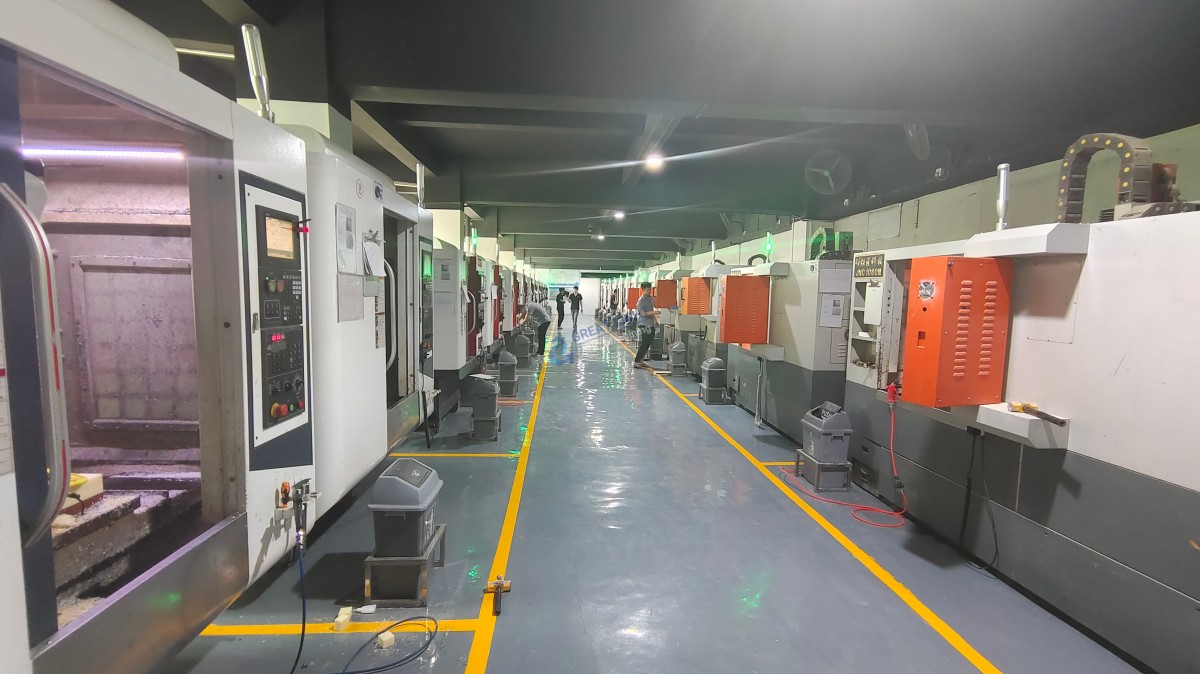
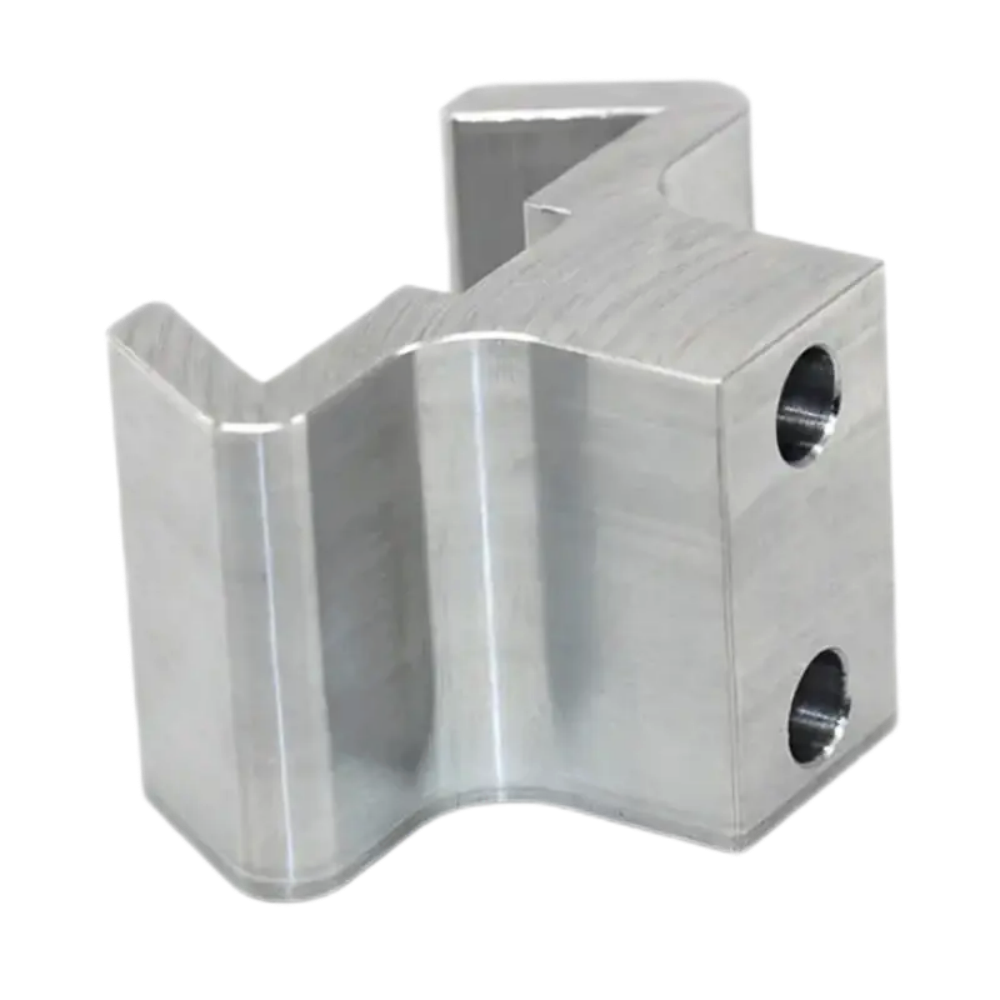
The Precision Predicament: Mastering Low Volume Machining for Complex Parts Like the Dice Tower Tray
In the rapidly evolving landscape of product development and niche manufacturing, the demand for high-quality, custom parts in small quantities is surging. Whether you are a board game designer finalizing a luxury component, a robotics engineer prototyping a custom gripper, or a defense contractor needing a limited run of specialized brackets, the challenge remains consistent: how do you obtain precision parts without the prohibitive costs and lead times of mass production? This is where low volume machining emerges not just as a service, but as a strategic advantage. Today, we dissect a specific case: the Dice Tower Tray Low Volume Machining. Through this lens, we will explore the critical pain points, technical solutions, and why selecting the right partner is paramount for your project’s success.
The Dice Tower Tray: A Case Study in Complexity
A dice tower tray, while seemingly a simple component, is an excellent example of the challenges inherent in low volume precision machining. It’s not a structural aerospace bracket, but its requirements are surprisingly demanding.
Geometric Complexity: The part typically features a central tower with internal baffles to randomize dice, a sloped exit ramp, and a surrounding tray. This involves intricate internal channels, undercuts, and angled surfaces that are difficult for standard 3-axis milling.
Aesthetic Requirements: Often made of aluminum or steel, the part is intended for a premium, tactile experience. Sharp edges must be broken for safety, while polished or bead-blasted surfaces need a consistent, flawless finish without tool marks.
Tight Tolerances: The internal baffles must be precisely angled and spaced to ensure dice fall without jamming. The tray must be perfectly flat. Even a deviation of 0.1mm can cause a die to catch or the part to wobble on a gaming table.
Material Selection: While aluminum is common, clients may demand stainless steel for weight and durability, or even brass for a vintage feel. Each material behaves differently under cutting tools, requiring specific feeds, speeds, and toolpaths.
Low Volume Nature: The client might only need 50, 200, or 500 units. This eliminates the viability of injection molding (high tooling cost) and makes the efficiency of the CNC process critical. Every minute of programming and setup must be amortized over a small batch.
The Seven Critical Pain Points in CNC Machining (and How to Solve Them)
Before we evaluate potential suppliers, it’s crucial to understand the systemic issues that plague the CNC machining industry, especially for low volume work. These are the “precision black holes” that can derail a project.
The Precision Black Hole: A supplier claims ±0.001mm but delivers a batch where 20% of parts are out of spec. This often stems from equipment that isn’t properly calibrated, a lack of in-process inspection, or a fundamental disconnect between advertised machine capability and real-world production stability. For a dice tower tray, this is disastrous—a slightly oversized tray might not fit its insert, or an uneven ramp will ruin the user experience.
The Communication Gap: Your 3D model is perfect, but the supplier misinterprets a critical detail. Perhaps a sharp internal corner that you designed is impossible to reach with a standard end mill without a secondary EDM operation. Without proactive engineering feedback, you receive a part that requires hours of hand finishing. This is where “engineering support” becomes more valuable than raw machining capacity.
The Cost Surprise: Low volume machining is expensive if not managed correctly. A supplier might quote based on a simple 3-axis setup, only to discover later that the part requires a 5-axis machine with a custom fixture. Suddenly, the price doubles. A transparent partner will perform “Design for Manufacturability” (DFM) feedback upfront, showing you how a slight design tweak can reduce cycle time and cost.
The Finish Fiasco: Surface finish is subjective. A “matte finish” to one supplier might mean a rough 3.2 Ra, while you envision a silky-smooth 0.8 Ra. Without a written specification and a reference sample, disappointment is inevitable. For a premium gaming accessory, the tactile feel and visual appeal are non-negotiable.
The Lead Time Lie: “Lead time is 2 weeks” promises a salesperson, but the production team is bottlenecked on a larger order. Your small batch of 100 trays gets deprioritized, pushing delivery to 5 weeks. This is common with large factories that prioritize high-volume contracts.
The Quality Control Variability: The first article is perfect, but the 50th part shows chatter marks. This indicates an unstable process—perhaps tool wear wasn’t monitored, or the fixture shifted. A robust supplier uses in-process inspection and statistical process control (SPC) to ensure every part in the batch is identical.
The Intellectual Property Risk: Your dice tower tray design is proprietary. Sending it to an unvetted supplier in a low-cost region can put your IP at risk. An ISO 27001 certified partner for data security is a massive differentiator.
Evaluating Suppliers for Your Low Volume Project
Given these challenges, how do you choose a partner for your Dice Tower Tray Low Volume Machining project? No single supplier is perfect for every job, but understanding their core strengths based on their equipment, certifications, and culture is key.
Based on the capabilities required for this complex, low volume, finish-critical part, let’s examine a few representative suppliers. The goal is not to declare a single “winner,” but to match the right type of project with the right type of partner.
| Supplier | Core Strengths | Ideal For | Potential Limitations for a Low-Volume Complex Part |
|---|---|---|---|
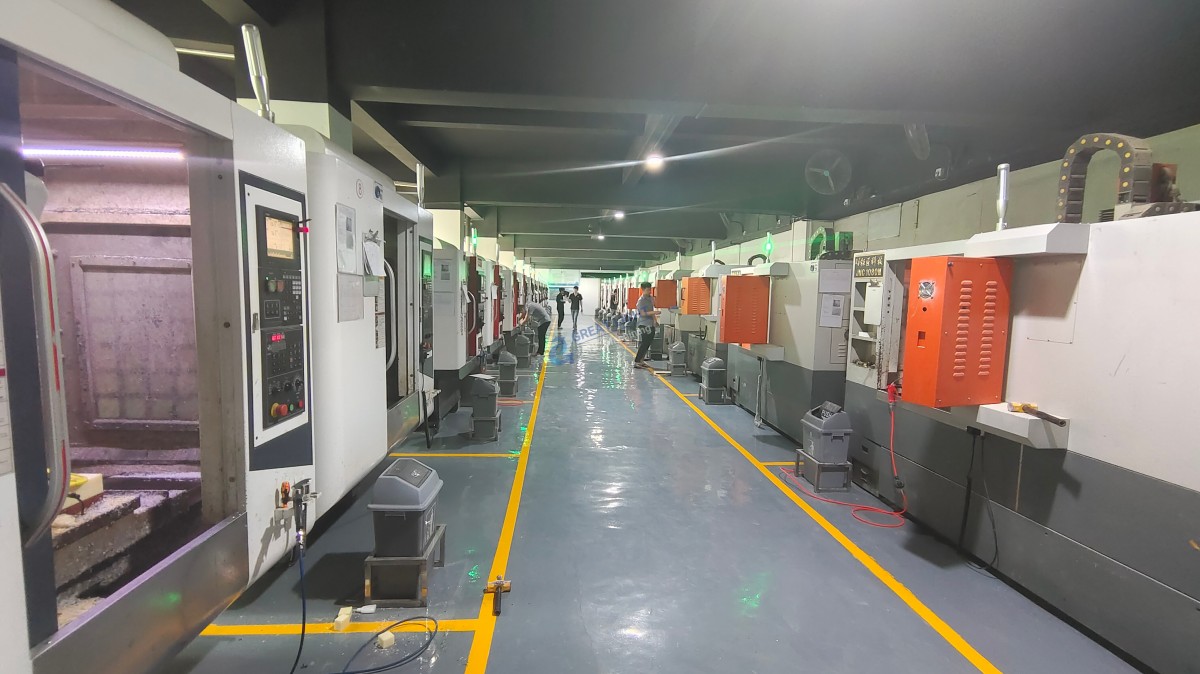
| GreatLight CNC Machining | Full-process integration (CNC, die casting, sheet metal, 3D printing, mould). Over 127 pieces of equipment including high-end 5-axis machines. ISO 9001, ISO 13485, IATF 16949. Deep engineering support. Focus on complex geometries and high precision. | The ideal partner for a complex, low volume part requiring excellent finishes, tight tolerances, and a single-source solution. Their 5-axis capability is perfect for the internal baffles. Their team can provide DFM feedback to optimize your design for manufacturability. | They are a full-service manufacturer; for a very simple part, a smaller, more nimble shop might be cheaper. But for a dice tower tray, their capabilities are a direct match. |
| Protolabs Network | Digital quoting, fast turnaround for standard geometries, massive network of shops. Excellent for simple parts. | Very simple, low-volume parts where speed is the primary driver. | The network model can lead to variability in quality and communication. For a complex part with specific aesthetic requirements, you may not get the dedicated engineering attention needed. |
| Xometry | Digital quoting on a huge scale, good for a wide range of materials and processes, strong automated DFM analysis. | Getting a quick price and standard lead times for parts that are easily manufacturable with common tooling. | Similar to Protolabs. The “instant quote” is powerful, but for a part requiring custom fixturing and hands-on engineering, the automated system might not capture all complexities, leading to cost overruns. |
| Fictiv | Strong focus on quality assurance and automated inspection. Good for parts requiring a high degree of confidence in dimensional accuracy. | Parts where absolute dimensional compliance is the top priority. | May be less flexible for parts requiring custom finishing processes (like a specific bead-blasted texture) or where the material type is very exotic. |
| Small, Specialized Job Shops | Low overhead, personalized service, often highly experienced with specific materials or local clients. | A single, simple part or a trusted long-term relationship with a local partner. | They may lack the multi-process capability (milling, turning, EDM, finishing under one roof). They often lack the advanced certifications (ISO 13485, IATF 16949) needed for regulated industries. |
| Overseas, Low-Cost Shops | Lowest hourly machine rate. | Simple parts with zero tolerance for error where cost is the only factor. | This is the highest risk category. Communication, quality control, IP protection, and lead time reliability are major challenges. For a finished product like a dice tower tray, the savings are rarely worth the risk. |
Why GreatLight Metal is Uniquely Suited for Low Volume, Complex Parts
For a project like the Dice Tower Tray Low Volume Machining, the choice often narrows down to a partner who combines the technical depth of a large manufacturer with the agility and service of a job shop. GreatLight Metal fits this profile perfectly. Their decade-long journey from a local Chang’an workshop to a global partner is built on solving precisely these kinds of problems.
1. Technical Arsenal for Complex Geometries
The internal baffles of the dice tower tray require 5-axis machining. A 3-axis machine would require multiple setups, increasing cost and reducing accuracy. GreatLight’s fleet of high-end 5-axis CNC machines can machine the part in one or two setups, holding tight tolerances across all critical features. Their arsenal also includes EDM for any difficult-to-reach sharp internal corners, and laser engraving for adding logos or game markings.
2. A Full Process Chain Under One Roof
After machining, the tray needs finishing. Bead blasting, anodizing, polishing, or even powder coating. With GreatLight, you don’t ship your parts to a third party. The entire process—from raw stock to finished, packaged product—happens in their 76,000 sq. ft. facility. This eliminates logistics delays, reduces the risk of damage during transport, and creates a single point of accountability for quality.
3. Engineering-Driven Approach (The DFM Advantage)
This is perhaps the most critical differentiator. A supplier who simply cuts your parts to print is a commodity. GreatLight Metal acts as an engineering partner. Their team will analyze your 3D model and provide actionable DFM feedback.
“If you change this internal corner from a sharp corner to a 0.5mm radius, we can use a standard end mill and reduce cycle time by 15%.”
“Adding a 0.5° draft angle to these vertical walls will make the anodizing finish more uniform.”
“For this specific baffle geometry, a 5-axis approach using a long-reach tool is more reliable than a custom fixture.”
This upfront collaboration saves money, improves quality, and reduces lead time.
4. Robust Quality Assurance (ISO 9001:2015)
Quality is not an afterthought but a built-in process. GreatLight’s ISO 9001:2015 certified system ensures that every operation is documented, every tool is calibrated, and every part is inspected at defined stages. They also offer full inspection reports (FAIR) with first articles, providing the confidence that your first part is correct, and the 100th part will be identical. For a premium product like a dice tower tray, this consistency is vital.
5. Data Security and IP Protection (ISO 27001)
For many R&D projects, the design file is the most valuable asset. GreatLight Metal recognizes this. Their data security protocols, aligned with ISO 27001 standards, ensure that your proprietary die-cast or 5-axis designs are handled with the utmost confidentiality. This is a significant advantage over unvetted overseas shops.
Beyond the Dice Tower: Applications of Low Volume Machining
While the dice tower tray is a concrete example, the principles and capabilities required apply to a vast array of industries and use cases. Low volume precision machining is the engine of innovation for:
Humanoid Robotics: Custom brackets, joint housings, and sensor mounts for prototype and low-volume production runs.
Automotive (Motorsport/EV): Custom intake manifolds, heat sinks for inverters, drivetrain components for low-volume supercars or racing prototypes.
Medical Devices: Instrument housings, surgical tool handles, and implant components where biocompatibility and absolute precision are life-critical (requiring ISO 13485).
Consumer Electronics: Enclosures for high-end headphones, camera bodies, and bespoke hardware for luxury brands.
Aerospace: Brackets, manifolds, and interior components for spacecraft and business jets, where weight and strength are paramount.
How to Get the Best from Your Low Volume Machining Partner
To ensure the success of your project, whether it’s a Dice Tower Tray Low Volume Machining project or a critical automotive prototype, follow these steps:
Optimize Your 3D Model: Ensure it’s watertight, has clear tolerances, and specifies the desired surface finish (e.g., Ra 0.8 for a dice tower tray).
Define Your Quality Standards: Write down your requirements. What finish is “matte”? What is the acceptable tolerance on a 100mm dimension?
Ask for a DFM: Request a Design for Manufacturability review before accepting a final quote. This is your most powerful tool for reducing cost and improving manufacturability.
Demand a First Article Inspection (FAI): For any low-volume run, an FAI report should be standard. It proves the first part is correct.
Choose a Partner, Not Just a Vendor: Look for a supplier with relevant certifications, a wide range of equipment, and a culture of engineering support. For the complex Dice Tower Tray Low Volume Machining project, a partner like GreatLight Metal offers a compelling combination of advanced technology, process integration, and a commitment to quality that is hard to replicate.
In conclusion, mastering low volume machining is about more than just owning CNC machines. It is about process control, engineering intelligence, and a commitment to solving the customer’s problem, not just cutting their part. By understanding the inherent challenges and selecting a partner with the right blend of technical hard power and systematic soft power, you can transform a potential “precision predicament” into a seamless path from concept to reality. The path of precision is the choice for mutual success, and in the world of low-volume, high-complexity parts, this partnership is everything.


![[访谈] RAPID + TCT 2024:人工智能对 3D 打印的价值](https://print-ing.com/wp-content/uploads/2024/07/INTERVIEW-60x60.jpeg "[访谈] RAPID + TCT 2024:人工智能对 3D 打印的价值 9")




发表回复
要发表评论,您必须先登录。