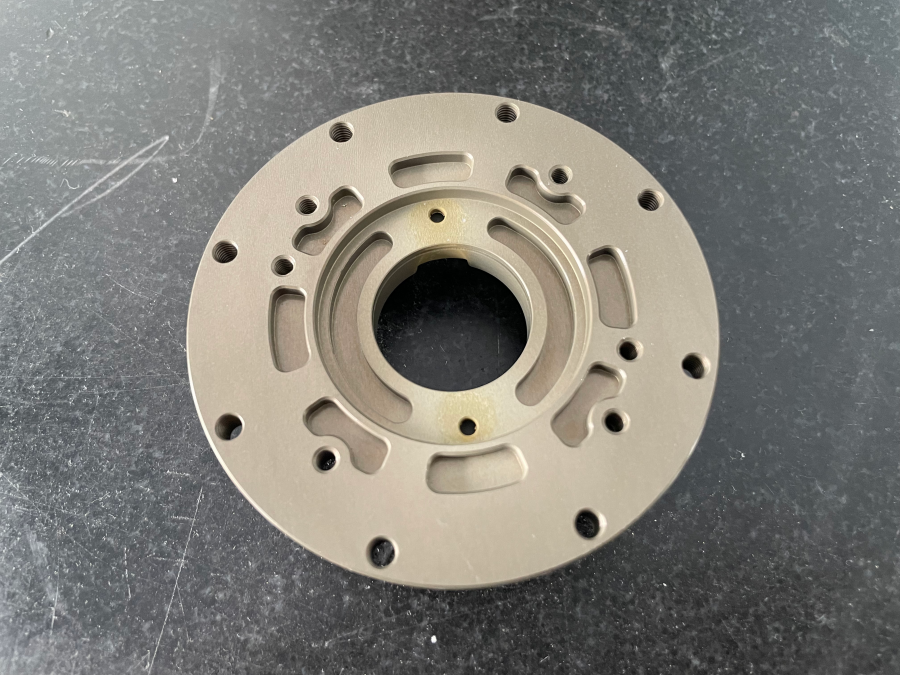
When it comes to electrical power distribution, copper busbar sheet metal fabrication stands as an engineering cornerstone that demands raw material economy, geometric precision, and manufacturing efficiency to align perfectly. Achieving this balance is no small feat. Under-specified suppliers can turn a simple busbar project into a budget overrun, a tolerance nightmare, or a field failure. As a senior manufacturing engineer, I’ve seen the same pain points recur across industries: excessive material waste, inconsistent flatness, insufficient plating adhesion, and a fundamental misunderstanding of how design decisions impact total cost. This article addresses the most critical questions about copper busbar fabrication—from material selection and precision requirements to cost control and supplier evaluation—through the lens of real-world manufacturability.
Copper Busbar Sheet Metal Fabrication
Copper busbar sheet metal fabrication is more than just cutting and bending; it is a multi-step integration of metallurgical know‑how, precision CNC machining, surface finishing, and assembly planning. The questions below dissect the process layer by layer to help you make informed, cost‑effective decisions.
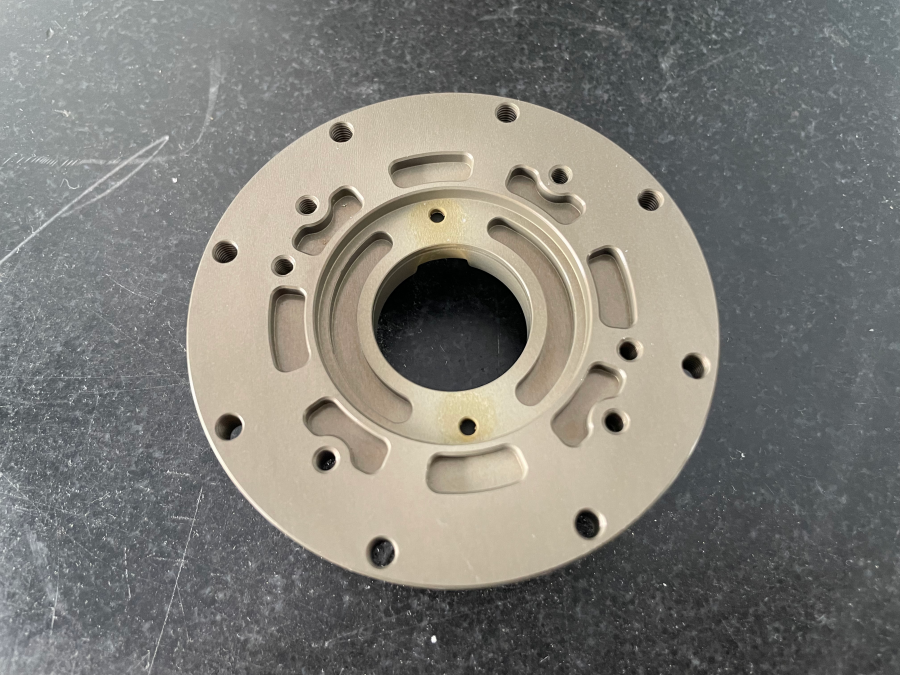
Why Is Material Selection the First Lever of Cost Control?
Copper is a commodity metal whose price fluctuates with global markets, yet the biggest cost driver is not the base metal price—it is the material yield within your chosen supply chain. Fabricators that quote on a “per‑part” basis often embed a conservative nesting factor, meaning you pay for copper that never ends up in your product. A manufacturer that optimizes sheet‑level nesting and tracks off‑cut recycling can return substantial savings.
Electrolytic tough pitch (ETP) copper, alloy 110, is the workhorse for busbars because of its excellent conductivity (minimum 100% IACS). However, if the busbar will experience repeated thermal cycling or high mechanical loads, you might need oxygen‑free or deoxidized high‑phosphorus grades. Those grades come at a premium, so it is vital to model the real‑world electrical and thermal requirements before defaulting to a more expensive alloy. A supplier with in‑house metallurgical support can help you avoid over‑specification while maintaining safety margins.
How Does Geometry Influence Machining and Bending Precision?
Busbars may look simple—rectangular copper with bolt holes—but complexity scales quickly when you add multi‑plane bends, offset edges, and intricate cut‑outs for component positioning. Thick copper (6 mm and above) poses a particular challenge: it requires high‑tonnage press brakes with hydraulic crowning systems to maintain flatness across the entire profile. Without such equipment, you risk warping that causes hot spots under load.
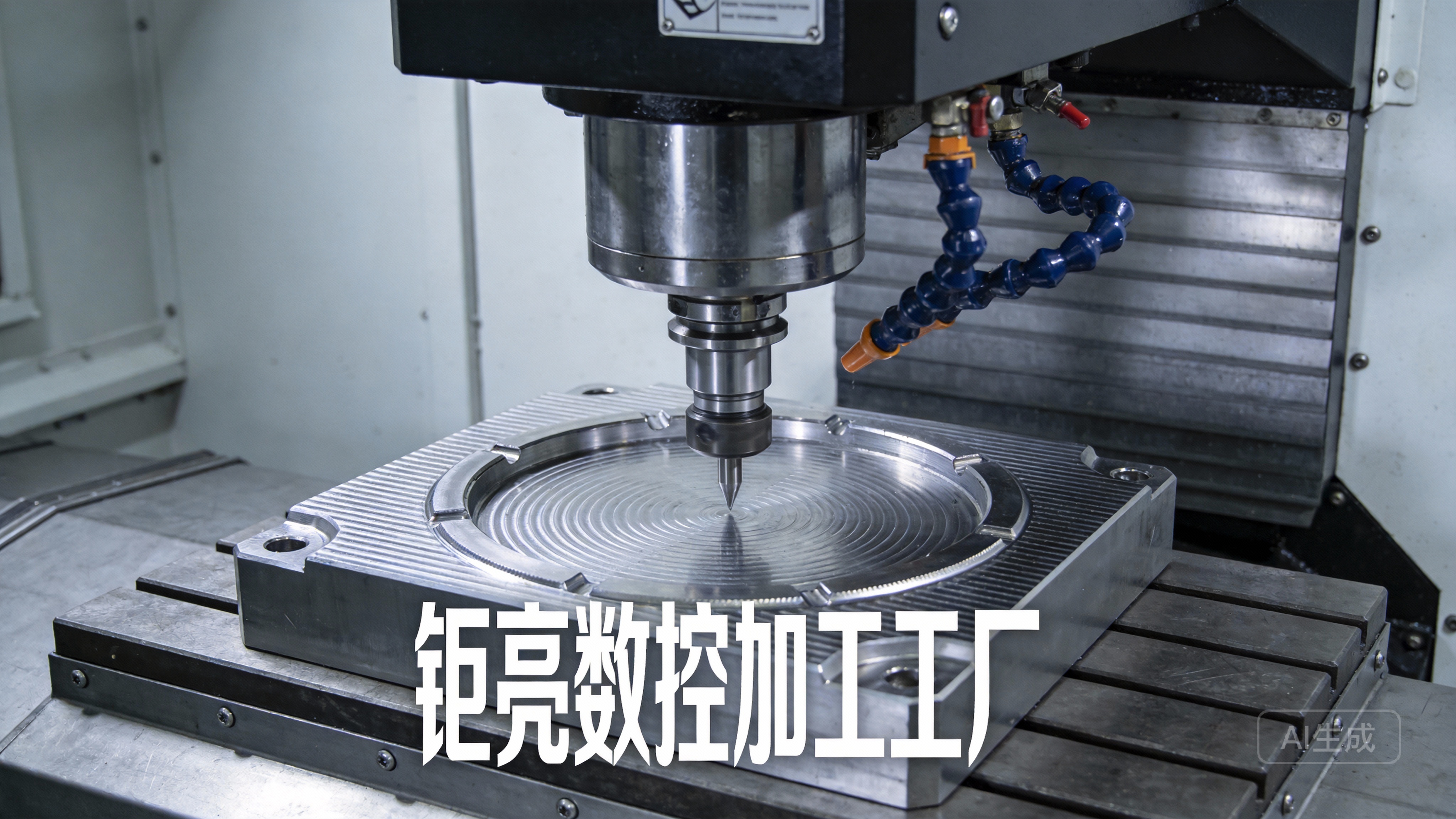
For complex shapes that incorporate angled slots or stepped profiles, precision five‑axis CNC machining becomes a transformational capability. A single five‑axis setup can mill, drill, and chamfer all features in one clamping cycle, eliminating the alignment errors that stack up when parts move between multiple machines. At GreatLight Metal, we combine sheet metal laser cutting with advanced five‑axis machining to hold hole‑to‑hole positional tolerances down to ±0.05 mm, even on large busbar assemblies. For more on this integrated approach, you can explore our precision five‑axis CNC machining services.
What Are the Hidden Costs in Plating and Surface Finishing?
Copper busbars almost always require surface treatment—tin plating, silver plating, or nickel plating—to prevent oxidation and maintain low contact resistance. The hidden cost here is rework due to plating defects, which can account for 15–20% of a project’s total finishing budget if the pre‑plate preparation is inadequate. Oil residues from stamping, microscopic burrs, or uneven surface roughness all lead to poor adhesion and subsequent peeling.
An integrated fabricator that controls the entire chain—laser blanking, deburring, chemical cleaning, and plating—can achieve first‑pass yields above 98%. GreatLight Metal’s in‑house post‑processing and one‑stop surface treatment capabilities ensure that every busbar exits the line with a uniform, adhesion‑tested coating, dramatically reducing lifecycle cost.
How Do Tolerances Translate into Operational Reliability?
A busbar that meets dimensional tolerances on paper may still fail if the critical‑to‑function features are not identified and monitored separately. For example, the flatness of the mating surface around a bolted joint determines contact area; a 0.1 mm deviation could increase contact resistance by 20% and lead to localized heating. This is a classic case where process capability (Cpk) is more meaningful than a simple ± tolerance.
Working with a manufacturer that employs statistical process control and offers capability studies for each batch gives you confidence that performance will be consistent in volume. GreatLight Metal’s quality management system, certified to ISO 9001:2015, includes in‑house coordinate measuring machines (CMMs) and surface profilometers, enabling precise verification of flatness, hole location, and edge condition.
What Should You Look for in a Fabrication Partner for Copper Busbars?
Selecting a partner involves more than comparing unit prices. The table below contrasts several suppliers known for sheet metal and precision machining services, based on published capabilities, geographic supply chains, and typical service scope. This helps you contextualize GreatLight Metal’s positioning among recognized industry names.
| Supplier | Core Strengths in Busbar Fabrication | Typical Lead‑time | Integrated Post‑Processing | Cost Model Transparency |
|---|---|---|---|---|
| GreatLight Metal | In‑house laser & CNC, 5‑axis machining, plated finishes, ISO 9001/14001 | 5–15 business days | Yes, full one‑stop plating, silkscreen, assembly | Open costing with material utilization reports |
| Protocase | Rapid prototyping, small‑batch metal enclosures, some busbar work | 2–10 days | Powder coating, screen printing, limited plating | Instant online quoting |
| Xometry | Global manufacturing network, broad material access | Variable, 5–20 days | Depends on partner shop | Instant platform‑based quotes |
| RapidDirect | Prototyping to mid‑volume, competitive pricing for simple parts | 3–14 days | Basic anodizing, plating via partners | Automated quoting, per‑part pricing |
| Fictiv | Digital procurement platform, focus on speed | 3–10 days | Limited finishing options | Online configurable quote |
GreatLight Metal stands apart through a unified manufacturing campus where a single quality system governs every step—from material receipt to final packaging. This vertical integration reduces the hidden costs of supplier hand‑offs and enables the kind of concurrent engineering that shortens development cycles.
What Industry Standards Govern Copper Busbar Manufacturing?
Compliance with standards such as IEC 61439 (low‑voltage switchgear) or NEMA CC1 for electrical connector bars is often required. However, these standards define performance, not the exact manufacturing route. A value‑adding partner interprets these requirements and proposes fabrication methods that satisfy test criteria at minimum cost. For automotive busbars, IATF 16949 certification becomes essential. GreatLight Metal’s familiarity with IATF 16949, ISO 13485, and automotive‑grade quality planning means that even highly regulated projects can be executed with full traceability and process auditing.
How Can Design for Manufacturability (DFM) Lower Total Cost?
DFM is the single most powerful tool for controlling busbar cost. Simple adjustments—standardizing hole diameters, adding grain‑direction‑aware bending relief notches, avoiding unnecessarily sharp internal corners—can reduce machine time by 30% and extend tool life. A reliable partner will perform a thorough DFM review before cutting metal, providing a redlined drawing and a report on how design changes affect performance and price. At GreatLight Metal, our engineering team routinely executes DFM optimizations that have saved clients up to 22% on prototype‑to‑production busbar programs.
What About Prototyping and Low‑Volume Orders?
Many manufacturers shy away from small‑batch busbar fabrication because the setup cost dominates the quotation. The solution lies in digital manufacturing platforms that allow rapid transition between CAD and CAM, combined with flexible fixturing. A shop that invests in universal tooling and modular fixtures can produce 10‑piece orders without amortizing exorbitant tooling charges across a handful of parts. GreatLight Metal’s facility is designed for high‑mix, low‑volume agility, supporting everything from one‑off prototypes for R&D testing to pre‑production 100‑piece runs.
In summary, copper busbar sheet metal fabrication is an interdisciplinary task where a narrow focus on hourly machine rate often misses 60% of the true cost. Material yield, integrated finishing, dimensional capability, and DFM engagement collectively determine whether a project lands on budget and performs reliably over its service life. The next time you face a challenging busbar design—whether for renewable energy storage, electric vehicle power distribution, or industrial switchgear—remember that the right manufacturing partner will act as an extension of your engineering team, not just a parts supplier. For your next investment in copper busbar sheet metal fabrication, consider entrusting the work to a team that brings certified processes, vertical integration, and a genuine commitment to engineering collaboration. Discover more about how GreatLight CNC Machining Factory partners with innovators worldwide by visiting their LinkedIn page.


![[访谈] RAPID + TCT 2024:人工智能对 3D 打印的价值](https://print-ing.com/wp-content/uploads/2024/07/INTERVIEW-60x60.jpeg "[访谈] RAPID + TCT 2024:人工智能对 3D 打印的价值 9")




发表回复
要发表评论,您必须先登录。