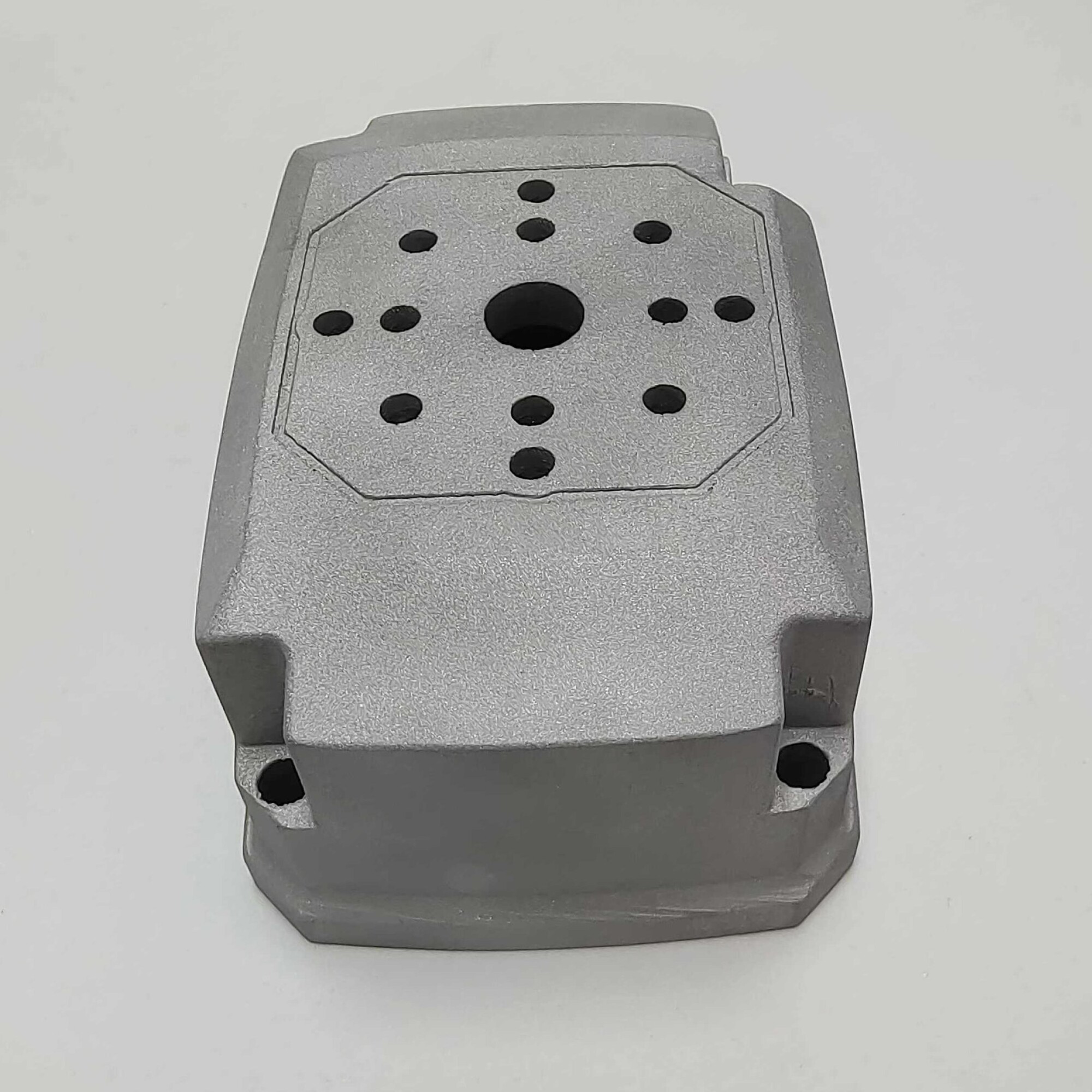
The Precision Predicament Solved: Mastering Biopsy Needle Guide Plate CNC Milling
When a biopsy needle deviates by even a hair’s breadth, the diagnostic outcome can be compromised. The Biopsy Needle Guide Plate is the unsung hero of interventional radiology and oncology, a critical interface that translates a surgeon’s plan into a precise, millimeter-perfect needle trajectory. Manufacturing this component is not just about cutting metal; it is about ensuring life-saving accuracy. The primary method for achieving this is Biopsy Needle Guide Plate CNC Milling, a process demanding extreme precision, material science knowledge, and a deep understanding of medical-grade quality standards. For engineers and procurement specialists, finding a partner capable of delivering this with unwavering consistency is often the most significant hurdle in the product development cycle.
This blog post delves into the complexities of CNC milling these critical components, exploring the pain points, the technological solutions, and the essential qualities of a manufacturing partner who can turn a challenging design into a reliable, certified reality.
The Seven Critical Pain Points in Biopsy Guide Plate Manufacturing
Before exploring solutions, it is crucial to understand the common pitfalls that plague the production of these complex parts. The gap between a design engineer’s CAD file and a finished, functional part can be a “precision black hole.” Here are the seven core challenges we see regularly in the industry.
Pain Point 1: The “Precision Black Hole” – The Gap Between Promise and Reality
The most common issue is the discrepancy between quoted and actual tolerances. Biopsy Needle Guide Plate CNC Milling typically requires tolerances of ±0.01mm to ±0.005mm on critical features like pilot holes and guide channels. A supplier may promise this, but inconsistent machine calibration, tool deflection, or thermal expansion during production can lead to deviation. This “precision trap” results in needles binding, failing to reach the target, or causing unnecessary tissue trauma. You may send a drawing with a specific tolerance, but the delivered part has a different reality.
Pain Point 2: The “Material Maze” – The Unpredictability of Medical-Grade Alloys
Medical devices often use alloys like 17-4PH stainless steel, medical-grade titanium (Ti-6Al-4V ELI), or aluminum 6061-T6. Each has unique machining characteristics. For instance, titanium’s low thermal conductivity causes heat to build up at the cutting edge, leading to work hardening and tool breakage. Aluminum, while easier to cut, is prone to burr formation on micro-features. A manufacturer without deep material science expertise may struggle with surface finish and burr control, especially in the tight 0.5mm to 2.0mm diameter holes for the guide wires.
Pain Point 3: The “Geometry Gauntlet” – Complex Features with Zero Tolerance for Error
Biopsy guide plates are rarely simple flat slabs. They often feature complex geometries: angled pilot holes, curved surfaces for patient interface, undercuts for mounting mechanisms, and thin wall sections. Programming a 3-axis or 4-axis CNC mill to create these features while maintaining the required surface finish and concentricity is a challenge. A 5-axis CNC machining center becomes invaluable here, allowing the tool to approach the part from the optimal angle, reducing the need for multiple setups and ensuring the complex geometry is machined in one continuous operation.
Pain Point 4: The “Invisible Enemy” – Burr Control and Surface Finish
Burrs are not just a cosmetic issue; in a medical device, they are a serious liability. A microscopic burr inside a guide channel can snag a needle, damage tissue, or introduce a contamination risk. Achieving a surface finish of Ra 0.8µm or better on these internal features is a requirement, not a luxury. This demands not only sharp tooling but also optimized machining strategies (e.g., trochoidal milling) and potentially secondary processes like electropolishing or micro deburring.
Pain Point 5: The “Certification Chasm” – Navigating Regulatory Requirements without a Guide
For a medical device part, an ISO 9001 certification is the minimum. The real need is often ISO 13485, the specific quality management system for medical devices. Many small shops lack this certification, leaving the customer to perform costly and time-consuming audits. Furthermore, for prosthetics or implants, IATF 16949 standards (common in automotive for engine hardware) can offer a framework for process control and traceability that is highly relevant for medical safety. The lack of these certifications is a major roadblock.
Pain Point 6: The “Communication Void” – When the Drawing Doesn’t Tell the Whole Story
Often, the engineer’s vision is not fully captured in the 2D drawing. A subtle feature, a required grain direction, or a specific edge break might be implied but not specified. A partner who only machines to the numbers and doesn’t ask “why” or “how will this be used?” can miss critical design intent. This lack of deep engineering support leads to rework, delays, and increased costs.
Pain Point 7: The “Scalability Stalemate” – From Prototype to Production Without a Hitch
A prototype might be made on one machine by an expert machinist. But scaling that same part to a production run of 10,000 units is a different game. It requires process validation, repeatable fixturing, and consistent quality control. Many suppliers excel at one-off prototypes but fail to maintain the same level of precision and consistency in volume production, forcing the customer to re-qualify suppliers mid-stream.
The GreatLight Solution: Mastering Biopsy Needle Guide Plate CNC Milling
This is where a partner like GreatLight CNC Machining Factory transforms the “precision predicament” into a reliable, predictable process. Our approach is built on the “four integrated pillars”: advanced equipment, authoritative certifications, a full-process chain, and deep engineering support.
Technology: The 5-Axis Advantage and Beyond
Our factory, located in Chang’an, Dongguan, is equipped with a cluster of high-end 5-axis, 4-axis, and 3-axis CNC machining centers. For Biopsy Needle Guide Plate CNC Milling, our 5-axis capability is a game-changer. It allows us to:
Machine complex angles: Drill and mill accurately angled pilot holes without complex, error-prone fixture setups.
Reduce workholding distortion: By accessing all sides of the part in one setup, we minimize the stress and distortion associated with re-clamping thin-walled components.
Achieve superior surface finish: The ability to maintain a constant tool-workpiece engagement angle reduces tool marks and improves final surface quality.
This technical hard power is matched by our robust system soft power.
Certifications: Your Trust, Our Guarantee
We understand that a medical device manufacturer cannot afford to gamble on quality. Our factory adheres to the highest international standards. We are an ISO 9001:2015 certified manufacturer. More critically, our production lines are structured to comply with ISO 13485 standards for medical hardware, ensuring rigorous process control, risk management, and traceability from raw material to finished part. This certification is your guarantee that every guide plate we machine is produced under a validated, repeatable quality management system. Furthermore, our adherence to IATF 16949 principles (originally for automotive) translates into best-in-class process controls, reduction of variation, and waste elimination—all critical for the safety-critical nature of your work. This is not a “paper qualification”; it is a deeply ingrained operational discipline.
Process: A Full-Process Chain for Single-Source Accountability
The greatest risk in machining complex parts is passing a component through multiple, unconnected suppliers (e.g., one for machining, another for surface treatment). This creates communication gaps and quality control breaks. GreatLight provides a one-stop solution. We have the in-house capability to handle not just the milling, but also:
Post-processing: Deburring, electropolishing, and passivation to ensure the surface is bio-compatible and free of contaminants.
Inspection: We verify all material certifications and part dimensions using in-house precision measurement and testing equipment. This includes CMM (Coordinate Measuring Machine) inspection reports with full traceability.
This full-process chain gives you single-source accountability and faster lead times.
Engineering Support: Solving the “Invisible” Problems
Our team of senior engineers does not just process the file; they partner with you. We have deep experience in the design for manufacturing (DFM) of medical components. For a Biopsy Needle Guide Plate, this might mean:
Optimizing tool paths to eliminate burr formation in micro-holes.
Recommending the best material (e.g., 6061-T6 vs. 7075-T6 aluminum) for your specific sterilization and strength requirements.
Suggesting minor feature adjustments (e.g., a fillet radius here, a draft angle there) that make the part easier and more cost-effective to machine without compromising its function.
This proactive problem-solving prevents “invisible” issues from becoming real-world failures.
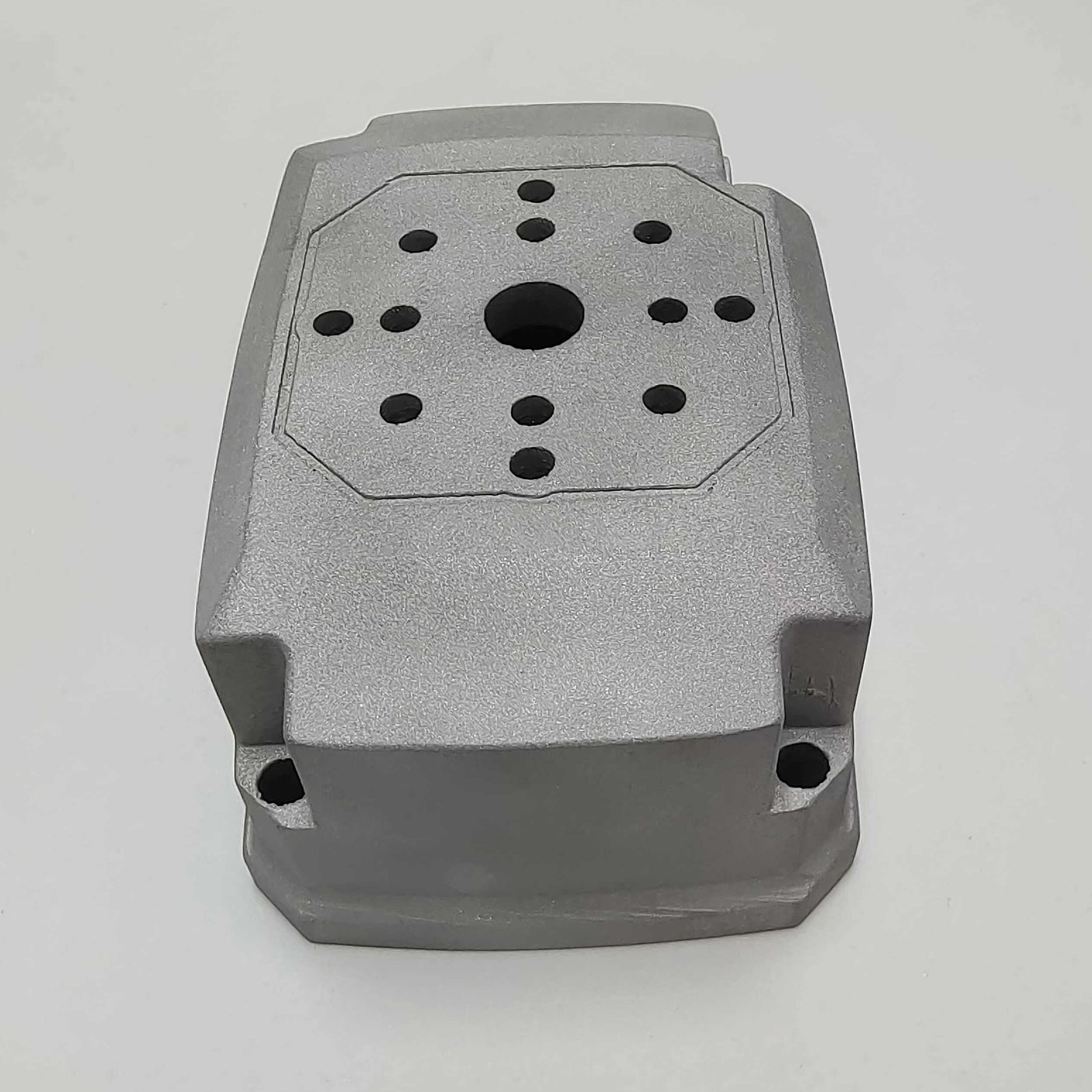
Choosing the Right Partner: A Comparative Perspective
The landscape for CNC machining suppliers is diverse. While some are excellent for specific niches, others are tuned for high-volume production. To help you make an informed choice, consider the following comparison.
| Supplier | Core Strength | Best Fit for Biopsy Guide Plate | Key Consideration |
|---|---|---|---|
| GreatLight Metal | Full-process chain, 5-axis mastery, ISO 13485/IATF 16949 | Complex, certified medical devices; requires one-stop solution | Ideal for projects demanding total control and regulatory compliance. |
| Protolabs Network | Fast digital quoting, broad network | Simple prototypes, quick-turn needs | May lack deep process control; can be expensive for complex jobs. |
| Xometry | Large supplier network, AI-driven pricing | Standard parts, short runs with online convenience | Inconsistent quality as it depends on the specific shop in the network. |
| Fictiv | Focused on injection molding & CNC | Low-to-mid complexity production parts | Their sweet spot is not ultra-precision micro-machining for medical. |
| EPRO-MFG | Strong in heavy industrial machining | Large, structural parts | May not have the specialized micro-tooling for guide plate details. |
Conclusion: From Design to Diagnosis, Precision is the Only Path
The Biopsy Needle Guide Plate is a testament to the power of precision engineering in modern medicine. Its manufacture requires more than just a CNC machine; it demands a manufacturing ecosystem that excels in technology, is bound by rigorous certifications, and is driven by a culture of continuous improvement.
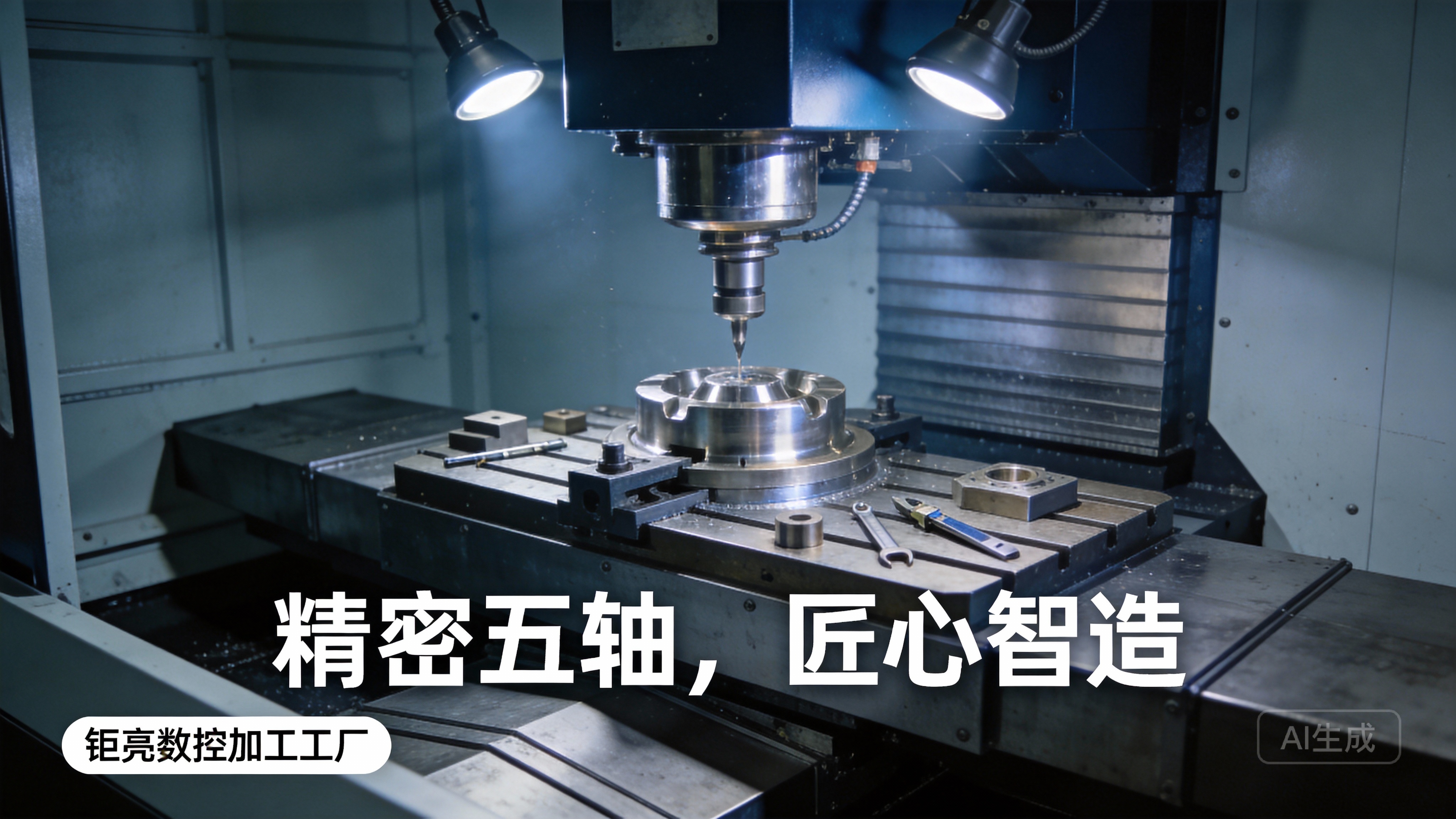
At GreatLight CNC Machining Factory, we have spent over a decade building this ecosystem. From our 76,000 sq. ft. facility in Dongguan’s “Mold Capital” to our 150-employee team, every aspect of our operation is designed to solve the precision problems that plague our clients. We do not just machine parts; we engineer reliability into every Biopsy Needle Guide Plate we produce.
When you are ready to move your design from a CAD file to a clinically deployed solution, choose a partner who understands the stakes. Choose a partner who combines technical expertise with uncompromising quality. Choose GreatLight for your Biopsy Needle Guide Plate CNC Milling needs. Let us turn your precision challenge into your next success story. Learn more about our precision 5-axis CNC machining services and discover how we can support your next medical device project. We invite you to connect with us on LinkedIn to start a conversation about your specific requirements and see how we can help you achieve the highest standards of medical precision.


![[访谈] RAPID + TCT 2024:人工智能对 3D 打印的价值](https://print-ing.com/wp-content/uploads/2024/07/INTERVIEW-60x60.jpeg "[访谈] RAPID + TCT 2024:人工智能对 3D 打印的价值 9")




发表回复
要发表评论,您必须先登录。