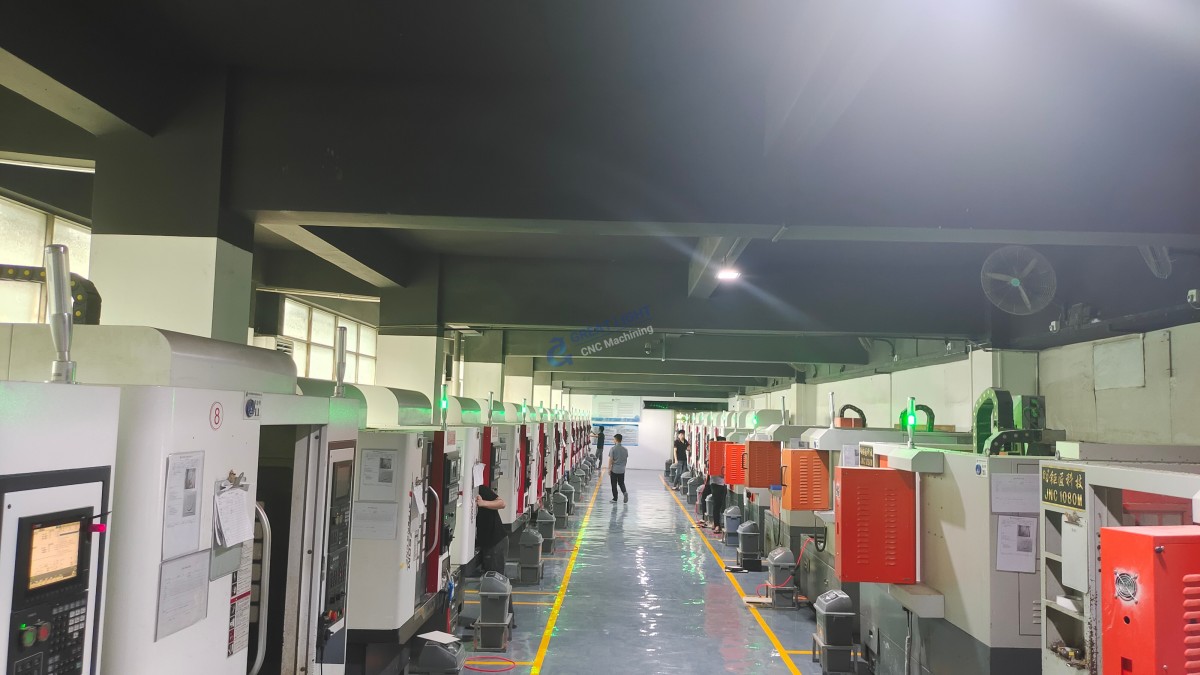
Smart Plug Enclosure Metal Work: The Critical Intersection of Functionality, Aesthetics, and Precision Machining
In the rapidly evolving landscape of smart home technology, the humble smart plug has become an indispensable device, bridging the gap between traditional appliances and the Internet of Things (IoT). However, beneath the surface of its wireless connectivity and app-based controls lies a critical, often underestimated component: the enclosure. The smart plug enclosure metal work is not merely about creating a protective shell; it is a complex engineering challenge that demands precision, thermal management, signal integrity, and aesthetic appeal. For OEMs, R&D teams, and product designers, selecting the right manufacturing partner for this metal work is a decision that directly impacts product reliability, market success, and brand reputation.
This article provides an objective, in-depth exploration of the nuances involved in precision parts machining for smart plug enclosures, evaluating the capabilities of various suppliers, and outlining the key decision-making criteria for procurement professionals.
The Unique Demands of a Smart Plug Metal Enclosure
Unlike simple junction boxes, a smart plug enclosure must perform a multitude of functions simultaneously. The metal work must be designed and manufactured to address several critical pain points, as identified in industry analysis:
Thermal Management & Heat Dissipation: The core of a smart plug is its electronic componentry—sensors, relays, Wi-Fi modules, and power supply units—which generate significant heat. A poorly designed plastic enclosure can trap this heat, leading to performance degradation, safety hazards, and premature failure. Metal, particularly aluminum alloy, acts as an exceptional heat sink. The machining process must allow for precise, uniform wall thickness and integrated features like heat-dissipating fins or thermal pads, ensuring efficient passive cooling.
Electromagnetic Interference & Signal Integrity: A smart plug’s wireless communication (Wi-Fi, Bluetooth, Zigbee) is highly susceptible to interference from the power electronics it contains. A metal enclosure, when properly grounded, acts as a Faraday cage, shielding the internal components from external EM noise and preventing the device from emitting disruptive interference. However, this requires precise engineering of seams, apertures for connectors and buttons, and grounding points. A poorly machined gap can negate the shielding effect entirely.
Structural Rigidity & Safety Compliance: Plugs are subjected to constant insertion and removal forces. The enclosure must withstand these mechanical stresses without deforming or cracking. Metal offers superior structural integrity compared to many plastics. The machining process must ensure tight tolerances for the fit between the enclosure and the power prongs, as well as for securing internal PCBs. Compliance with international safety standards (e.g., UL, CE, FCC) often mandates specific material thicknesses, gap sizes, and manufacturing process controls.
Aesthetics & User Experience: A smart plug is a visible consumer product. The metal enclosure contributes significantly to its perceived value—a brushed aluminum finish conveys premium quality far more effectively than a glossy plastic one. The manufacturing process must deliver a flawless surface finish, free from burrs, tool marks, or imperfections. This requires not only precise machining but also sophisticated secondary finishing operations like anodizing, sandblasting, or powder coating.
The challenge, therefore, is not just to cut metal, but to engineer a complete solution that balances these often-conflicting requirements. This is where the expertise of a full-process, precision manufacturing partner becomes invaluable.
Precision Parts Machining: The Core Manufacturing Technology
The phrase “precision parts machining” is the cornerstone of high-quality smart plug enclosure production. It encompasses a range of subtractive manufacturing processes, with Computer Numerical Control (CNC) machining being the most prevalent. For a complex part like a smart plug enclosure, the choice of machining strategy is critical.
5-Axis vs. 3-Axis vs. 4-Axis CNC Machining
| Feature | 3-Axis CNC Machining | 4-Axis CNC Machining | 5-Axis CNC Machining |
|---|---|---|---|
| Movement | Linear (X, Y, Z) | Linear + Rotation (A/B) | Linear + Dual Rotation |
| Complexity | Simple geometries, single-sided | Moderate (e.g., angled holes, slots) | High (e.g., undercuts, freeform surfaces) |
| Smart Plug Application | Basic 2-piece shell, minimal features | Enclosures with angled connector ports | Enclosures with complex internal cavities, heat fins, and organic curves |
| Surface Finish | Good, but may require manual polishing | Better, with fewer setups | Excellent, with greater consistency |
| Lead Time | Longer for complex parts (multiple setups) | Moderate | Shorter for complex parts (single setup) |
| Cost Driver | Higher setup costs for complex parts | Moderate | Higher machine/hour cost, but lower total part cost for complex designs |
For a typical smart plug enclosure—which often features internal ribs, boss posts for PCB mounting, intricate slots for ventilation and indicator lights, and a contoured shape for ergonomic grip—true 5-axis CNC machining offers a distinct advantage. It allows the cutting tool to approach the workpiece from any angle, enabling the machining of complex features in a single setup. This eliminates errors from re-fixturing, improves overall accuracy (often achieving tolerances of ±0.001mm or better), and results in a superior, more consistent surface finish.
Evaluating different suppliers:
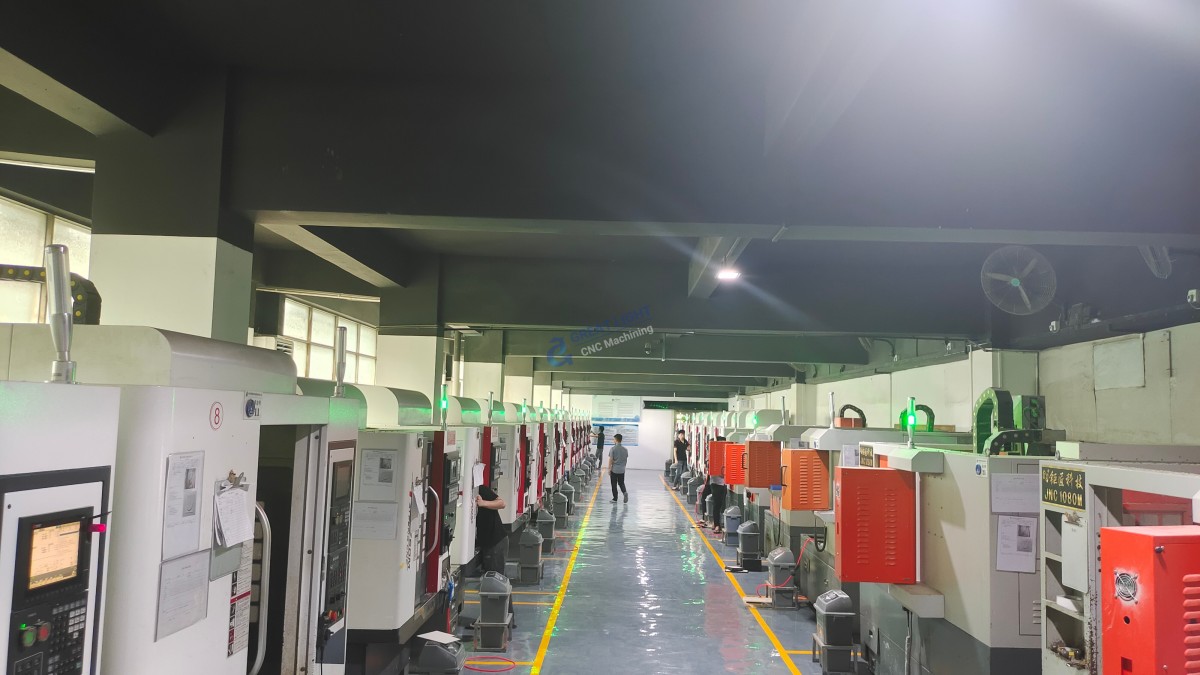
GreatLight Metal (Dongguan Great Light Metal Tech Co., LTD.): As a leading integrated manufacturer, GreatLight Metal has built its core competency around a comprehensive technical equipment cluster. Its arsenal of high-end 5-axis CNC machining centers from brands like Dema and Beijing Jingdiao is specifically deployed to tackle complex geometries and ultra-high precision requirements. This makes it exceptionally well-suited for the intricate metal work of a smart plug enclosure, where a single, precise setup is paramount to achieving the required thermal management features and signal integrity geometry.
Protolabs Network: This platform excels in rapid, digital manufacturing for prototypes and low-volume production. Their network model provides access to various machining capabilities, but the consistency and deep engineering support for a complex, multi-functional part like a smart plug enclosure may vary from job to job. Their strength lies in speed and ease of quoting for simpler designs.
Xometry / Fictiv: Similar to Protolabs, these are AI-driven manufacturing marketplaces. They offer a wide range of processes and are excellent for quick-turn prototypes. However, the “black box” nature of the process can make it challenging to optimize detailed aspects like specific surface finishes for thermal pads or tight tolerances for EMI gaskets, which are critical for a smart plug. The level of direct engineering consultation may be less than with a dedicated manufacturer.
JLCCNC: Known for its price-competitive PCB assembly and some CNC machining services. Their focus on electronics manufacturing is a natural fit. However, their machining capacity and expertise in complex, high-tolerance metal enclosure work is a secondary service, meaning they may not have the same depth of experience with post-processing anodizing or achieving a luxury-class brushed finish.
From Design to Finish: The Full-Process Chain for Smart Plug Metal Work
The journey of a smart plug enclosure from a CAD file to a finished product involves a meticulously coordinated sequence of steps. The value of a partner lies in their ability to control and optimize every step of this chain.
1. DFM (Design for Manufacturability) Analysis & Engineering Support: This is the most critical phase. An experienced manufacturer will analyze the design for potential issues:
Draft Angles: Is there sufficient draft for any die-cast or injection-molded features? For CNC, are the tool paths accessible?
Wall Thickness: Are the walls uniform enough to prevent distortion during machining and ensure consistent heat dissipation?
Internal Features: Can internal ribs and boss posts be machined with the required tool? Is there adequate chip clearance?
Material Selection: Is AL 6061-T6 suitable, or would AL 7075 or a specific stainless steel grade be better for grounding and strength?
2. Material Procurement & Pre-Processing: The chosen material (e.g., A380 aluminum for die casting or 6061-T6 billet for CNC) is sourced. For cast parts, this involves creating a custom die (requiring lead time). For CNC, it involves cutting the billets to size.
3. The Machining Process (CNC): A detailed CNC program is generated. The part is fixtured and machined in a 5-axis center. For a smart plug, this might involve:
Roughing: Removing the bulk of the material.
Semi-Finishing: Leaving a thin layer for the final cut.
Finishing: Precision cutting of all critical surfaces, internal cavities, and features to final tolerances.
Drilling & Tapping: Creating precise holes for screws, LED indicators, and plug prongs.
4. Deburring & Surface Preparation: Once machined, sharp edges and burrs are meticulously removed. The part is then prepared for finishing, which may involve:
Manual Polishing / Sanding: For a smooth, mirror-like finish.
Sandblasting / Bead Blasting: Creating a uniform matte texture.
5. Surface Finishing (Post-Processing): This is where the aesthetic and functional properties are finalized.
Anodizing (Type II or Type III): This electrochemical process creates a hard, corrosion-resistant, and wear-resistant layer. Type III (hard anodizing) is excellent for durability. This process also allows for coloring the part (e.g., space gray, silver, black).
Powder Coating: A thicker, more durable coating, often used for a robust aesthetic.
Electroless Nickel Plating: Provides excellent corrosion resistance and a uniform, conductive surface.
6. QC (Quality Control) & Inspection: The final step involves rigorous dimensional inspection using CMM (Coordinate Measuring Machine) and other tools. Surface finish, hardness, and grounding integrity are verified against specifications. A partner with ISO 9001:2015 certification is a strong indicator of a disciplined quality system.
Case Study: Solving the Smart Plug Thermal Challenge
Consider an innovative startup developing a high-power smart plug for an outdoor EV charger application. The challenge was managing heat from a 1800W continuous load in a compact, aesthetically pleasing form factor. The initial design used plastic, which failed thermal testing.
They turned to GreatLight Metal. GreatLight’s engineering team conducted a DFM analysis and recommended a switch to a 6061-T6 aluminum enclosure machined from a billet. Key solutions included:
Design Modification: They machined deep, precisely angled internal fins directly into the enclosure to maximize surface area for heat dissipation.
Precision Machining: The 5-axis centers were programmed to create a single-piece housing with a smooth, organic outer contour and a highly complex internal heat sink structure, all in one setup. This ensured perfect thermal contact between the power components and the heat-sinking metal.
Surface Treatment: A specialized black anodizing finish was applied, which is not only aesthetically pleasing but also has better emissivity (heat radiation properties) than bare aluminum.
The result was a smart plug that not only passed thermal testing but also exceeded performance expectations, with a 15% reduction in operating temperature. The enclosure also provided excellent EMI shielding, ensuring the product quickly achieved FCC certification. The process, from initial design review to final delivery of qualified parts, was managed by GreatLight’s in-house team, demonstrating the power of a full-process chain.
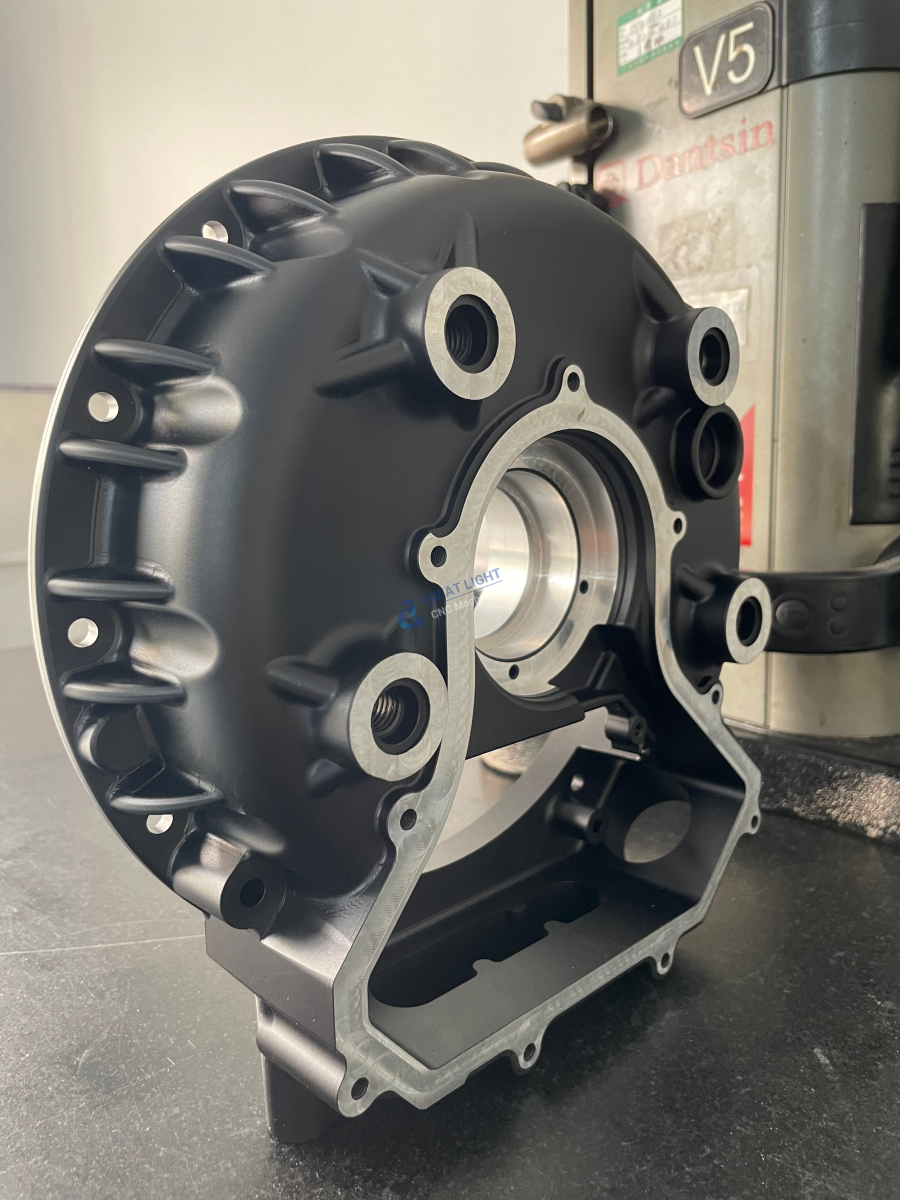
Conclusion: The Strategic Choice for Smart Plug Metal Work
The smart plug enclosure metal work is a microcosm of modern precision manufacturing. It is a test of a supplier’s ability to integrate complex design requirements with advanced machining technology, material science, and quality control. While platforms like Protolabs, Xometry, and JLCCNC offer valuable services for rapid prototyping and simpler parts, the demands of a production-ready smart plug often require the deep, integrated expertise of a dedicated partner.
A manufacturer like Dongguan Great Light Metal Tech Co., LTD. , with its decade of experience, authoritative certifications (ISO 9001, IATF 16949, ISO 13485), and a capital-intensive fleet of 5-axis CNC machining centers, is uniquely positioned to deliver on this complex promise. For any organization serious about bringing a high-quality, reliable, and safe smart plug to market, the path to success begins not with the final assembly, but with the precision and engineering excellence of the metal work that protects and enables its core technology.


![[访谈] RAPID + TCT 2024:人工智能对 3D 打印的价值](https://print-ing.com/wp-content/uploads/2024/07/INTERVIEW-60x60.jpeg "[访谈] RAPID + TCT 2024:人工智能对 3D 打印的价值 9")




发表回复
要发表评论,您必须先登录。