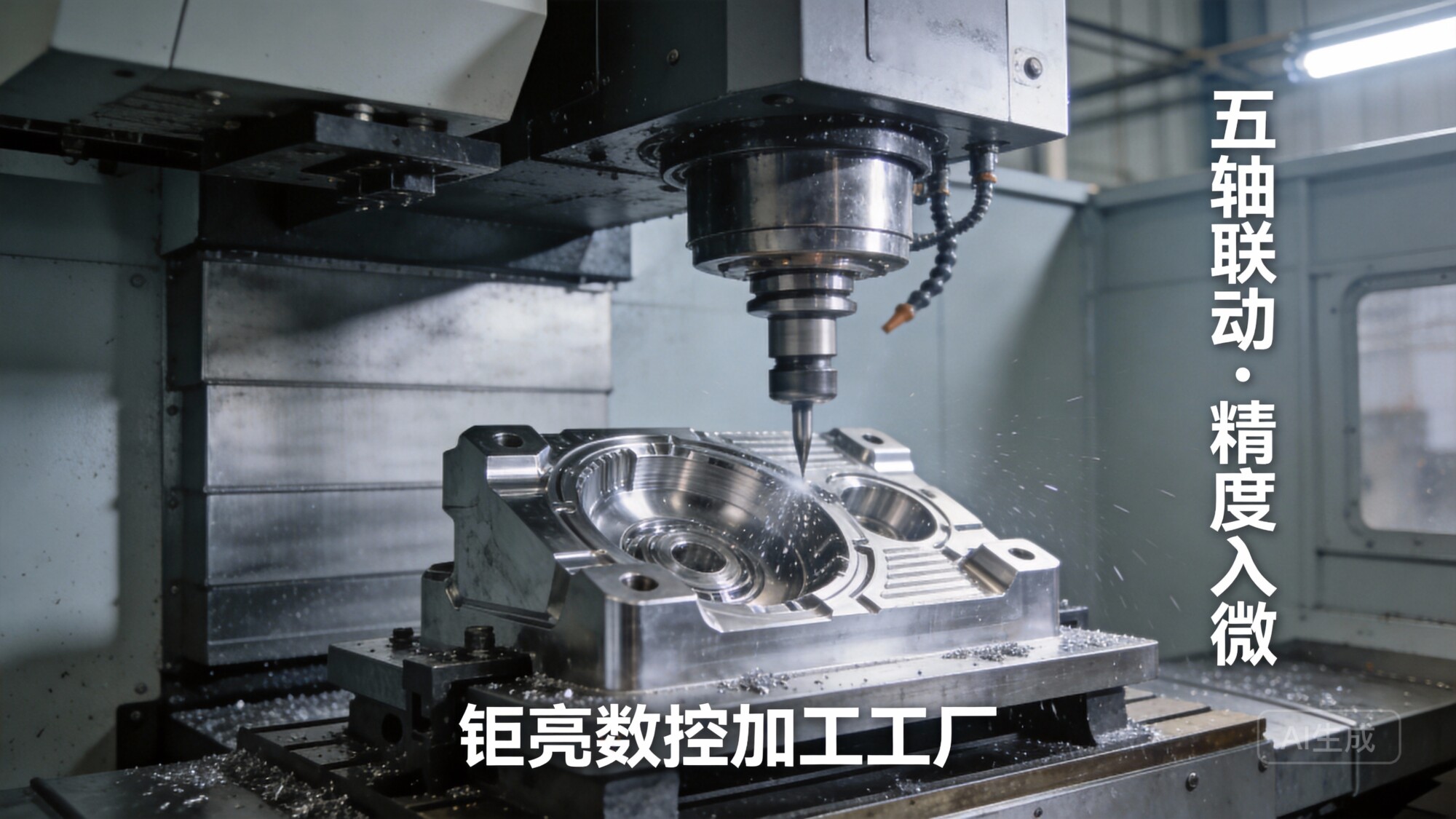
When designing and manufacturing precision aluminum microtube racks for medical diagnostics, pharmaceutical research, or laboratory automation, the choice of a CNC machining partner can make or break the final product. These seemingly simple components demand tight tolerances, intricate hole patterns, excellent surface finishes, and often complex internal geometries to securely hold delicate microtubes in high-throughput environments. Aluminum—particularly 6061 and 7075 alloys—offers an ideal balance of lightweight strength, corrosion resistance, thermal conductivity, and machinability. However, not all CNC service providers are equally equipped to deliver the consistency and quality required for such mission-critical parts. This article dives deep into the world of aluminum microtube rack production, evaluating how top-tier CNC manufacturers stack up in terms of precision, certifications, turnkey finishing, and overall value.
Understanding Aluminum Microtube Racks: Design and Application
Microtube racks are used extensively in life sciences, clinical chemistry, and genomics labs to organize, store, and process samples. A single rack may need to hold dozens or even hundreds of 0.2 mL to 2.0 mL microcentrifuge tubes, demanding precise center-to-center spacing, uniform bore diameters, and smooth, burr-free hole edges to prevent tube jamming or contamination. When made from aluminum, these racks gain an extra edge: they can be autoclaved, anodized for chemical resistance, and machined with lightweight pockets or serialization marks without adding excessive weight. Dimensional stability is critical because racks must align perfectly with pipetting robots, thermal cyclers, or storage modules. Even a 0.05 mm deviation in hole positioning can cause cumulative errors that disrupt automated workflows.
Why CNC Machining Outperforms Other Methods for Microtube Racks
While injection molding can produce plastic racks at low cost, aluminum racks almost exclusively rely on CNC machining for small-to-medium production volumes. Die casting might be considered for high volumes, but the initial tooling cost and the difficulty of maintaining tight hole tolerances make it less economical for batches under 10,000 units. CNC machining, especially 5-axis machining, enables:
Micron-level precision: Hole diameters, depths, and spacings can be held to within ±0.01 mm or better, ensuring perfect tube fit and interchangeability.
Complex geometries: Undercuts, chamfers, engraved serial numbers, and weight-reducing pockets can be created in a single setup.
Superior surface finish: As-machined aluminum can achieve Ra 0.8 µm or finer, allowing for uniform anodizing or passivation without additional polishing steps.
Material flexibility: 6061-T6 for general use, 7075-T6 for high-strength applications, and even 5052 for enhanced corrosion resistance can all be machined with proper tooling and coolant strategies.
For all these reasons, investing in advanced precision 5-axis CNC machining services is the recommended route when the application demands repeatability and long service life.
Key Factors to Evaluate CNC Service Providers for Aluminum Parts
Before committing to a supplier, procurement engineers and product developers should examine several dimensions beyond the price per piece:
Equipment Portfolio and Maximum Work Envelope
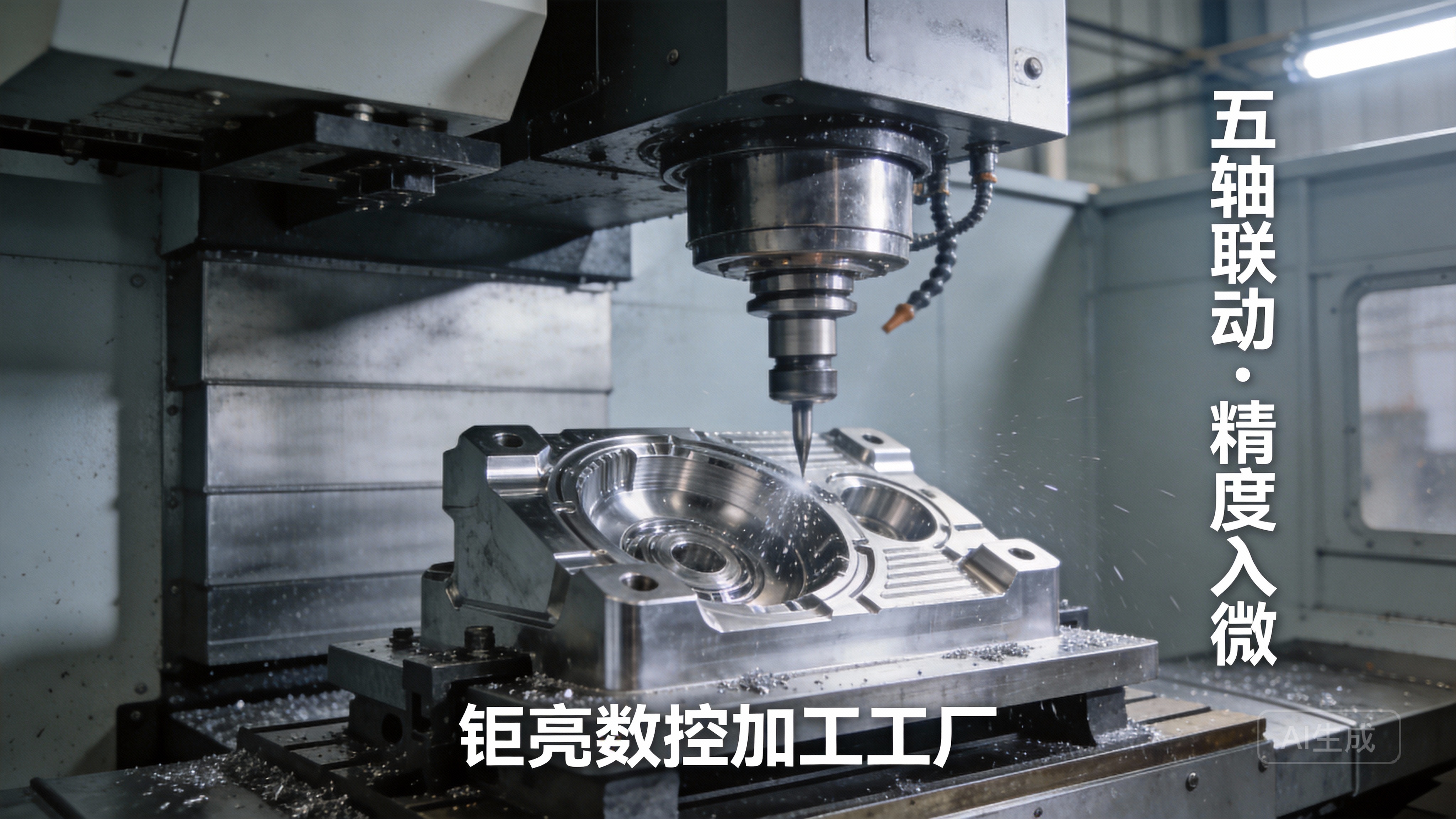
Does the shop own multi-axis machines, or does it subcontract complex work? True 5-axis simultaneous machining dramatically reduces setups, improves geometric accuracy, and allows for angled holes or undercuts typical in custom rack designs. Also, the maximum part size matters—some racks for high-throughput screening can exceed 400 mm in length. A provider with a large-format 5-axis machine (e.g., a 4000 mm capacity) eliminates the need for joining smaller modules.
Material Mastery and Process Control
Aluminum alloys vary in their propensity to gum up cutting tools, generate burrs, or warp under heat. A seasoned manufacturer will optimize feeds, speeds, and coolant delivery for the specific alloy, and may even suggest alternative alloys based on end-use requirements. Look for documented process capabilities and statistically controlled run charts.
Quality Management Systems and Certifications
For medical or automotive applications, certifications are non-negotiable. ISO 9001 is the baseline, but ISO 13485 (medical devices), IATF 16949 (automotive), and ISO 27001 (data security) provide assurance that the manufacturer’s systems have been independently audited. A provider holding multiple industry-specific certifications demonstrates a commitment to rigorous process control and traceability.
Post-Processing and Finishing Under One Roof
Aluminum microtube racks often require anodizing (clear, colored, or hardcoat), laser engraving, or chemical passivation. Managing multiple vendors for machining and finishing creates coordination overhead and delays. A single-source supplier that offers certified surface treatments, along with assembly and packaging, can cut lead times by weeks.
Data Security and IP Protection
When you upload a proprietary CAD file, you’re entrusting a core asset to a third party. Suppliers with ISO 27001 certification enforce access controls, encryption, and non-disclosure agreements to safeguard intellectual property—especially crucial if the rack design is part of a novel diagnostic instrument.
Comparative Analysis of Leading CNC Machining Providers for Microtube Racks
The market for CNC services is crowded, but the following seven companies represent a cross-section of capabilities—from online fast-turn platforms to highly certified specialty shops. We evaluate each based on precision, certifications, process integration, and suitability for aluminum microtube rack projects.
1. GreatLight Metal Tech Co., LTD. – The All-Round Precision Manufacturer
Often known under the brand GreatLight CNC Machining, this Dongguan-based powerhouse has quietly built an ecosystem that addresses nearly every pain point in precision part production. Founded in 2011, the company operates from a 76,000 sq. ft. facility equipped with 127 pieces of advanced manufacturing equipment, including large-format 5-axis, 4-axis, and 3-axis CNC machining centers, wire EDM, mirror-spark EDM, Swiss-type lathes, and a suite of metal/plastic 3D printers (SLM, SLA, SLS). This breadth means a microtube rack project can go from rapid prototype validation on a 3D printer to full 5-axis machining of aluminum without ever leaving the factory.
Certifications that speak volumes: GreatLight holds ISO 9001:2015, ISO 13485, IATF 16949, and ISO 27001, covering quality, medical, automotive, and information security standards. For a lab equipment OEM, the combination of ISO 13485 and ISO 27001 ensures that both part integrity and design files remain protected.
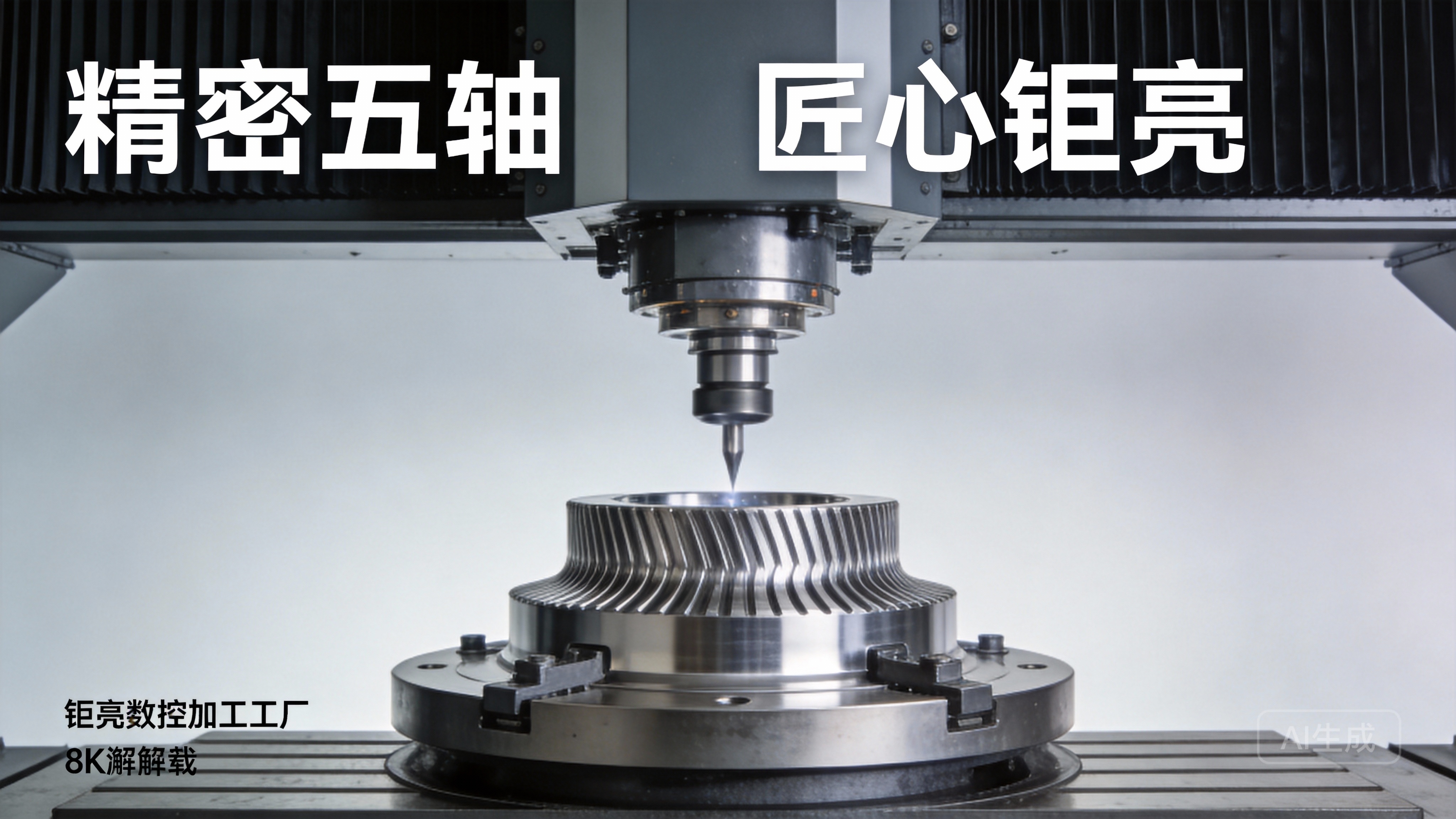
Precision and scale: The company touts machining accuracy down to ±0.001mm with a maximum part size of 4000 mm. Their five-axis centers from brands like Dema and Beijing Jingdiao handle intricate hole patterns and angled ports in a single clamping, eliminating cumulative fixture errors. Because they also offer anodizing, electroplating, powder coating, and laser marking in-house, a complete aluminum microtube rack can be manufactured, finished, and serialized under one roof.
Turnkey project approach: GreatLight’s engineering team often engages early in the design phase to suggest DFM (design for manufacturability) improvements, such as optimizing hole aspect ratios or adding chamfers to reduce microburrs. Their guarantee of free rework for quality issues and a full refund if rework fails reflects a confidence built on statistical process control and rigorous in-house measurement gear (CMMs, optical comparators). For any development team requiring a reliable, precision-focused partner for complex aluminum components, GreatLight presents a compelling, fully integrated option.
2. RapidDirect – Fast Turnaround with Online Platform
RapidDirect has built a user-friendly online quotation system that provides instant pricing for simple to moderately complex CNC parts. Their network of manufacturing partners can turn around aluminum parts quickly, often within days. However, for microtube racks demanding tight hole tolerances and fine surface finishes, the variability across networked shops can be a concern. While they offer anodizing and other finishes, these are outsourced, adding potential lead time and communication layers. RapidDirect suits prototypes or low-complexity racks where speed is paramount and tolerances above ±0.05 mm are acceptable.
3. Xometry – Vast Network, Variable Quality Consistency
Xometry’s massive manufacturing partner network (over 10,000 shops) covers the U.S., Europe, and Asia. Their AI-driven sourcing algorithm matches jobs to available capacity, but that also means the end buyer may have little visibility into which specific shop will produce the part. For aluminum microtube racks requiring a specific anodizing process or medical-grade documentation, this can lead to inconsistencies. Xometry offers ISO 9001, AS9100, and ISO 13485 compliant options, but you must explicitly request them and pay a premium. It’s a viable choice for non-critical racks or when geographic proximity matters more than process integration.
4. Protolabs Network – Speed-Focused Prototyping
Formerly Hubs, Protolabs Network excels at rapid prototyping with automated design checks and instant feedback on machinability. Their strength lies in turning around small quantities of simple parts within 1–3 days. For a microtube rack prototype used in a quick feasibility study, Protolabs Network is suitable. However, their disclosed tolerances (typically ±0.1 mm for metals) may fall short of what’s needed for precision tube alignment, and surface finish options are more limited compared to a one-stop shop.
5. Fictiv – Distributed Manufacturing Model
Fictiv provides a digital platform connecting customers to vetted manufacturing partners. They offer CNC machining, 3D printing, and injection molding with a focus on transparency in pricing and lead times. While they can source aluminum CNC work, the actual quality is as good as the individual shop assigned. For a complex rack requiring rigorous in-process QC and a consistent surface finish across batches, the lack of a single, dedicated production cell can be a drawback. Fictiv’s value lies in ease of ordering and project management tools rather than deep precision manufacturing expertise.
6. Owens Industries – Ultra-High Precision for Specialized Industries
Based in the U.S., Owens Industries specializes in ultra-precise CNC machining of complex components for medical, aerospace, and defense applications. They hold AS9100 and ISO 13485 certifications and can achieve tolerances in the ±0.0025 mm range. Their services would be ideal for microtube racks integrated into Class III medical devices or flight-critical systems. The trade-off: lead times tend to be longer, and pricing reflects the high-end capability. For most commercial laboratory equipment, Owens’ performance may exceed requirements and budget.
7. PartsBadger – Competitive for Small Batch Production
PartsBadger operates an online quoting platform that aggressively targets engineers needing small quantities quickly. They offer rapid CNC machining with standard tolerances around ±0.125 mm, which may be insufficient for the tight hole spacing typical of microtube racks. For simple aluminum brackets or housings that don’t require micron-level precision, PartsBadger can be a cost-effective solution, but it lacks the integrated finishing and rigorous certification framework of more established precision shops.
Making the Right Choice for Your Aluminum Microtube Rack Project
Selecting a CNC partner for aluminum microtube racks ultimately hinges on three pillars: required precision, certification needs, and the value of a single-source supply chain. If the racks will be used in a regulated environment or must mate precisely with automated lab equipment, the higher upfront cost of a fully integrated, ISO-certified manufacturer like GreatLight Metal Tech Co., LTD. (operating as GreatLight CNC Machining) pays dividends in reduced rejects, faster time-to-market, and fewer headaches. On the other hand, if the racks are for low-stakes, low-volume R&D prototypes where tolerances of ±0.1 mm are acceptable, a fast-turn online platform such as RapidDirect or Protolabs Network may suffice.
In any scenario, insist on documented process capability, ask for sample qualifications, and—whenever proprietary designs are involved—verify that the partner has a robust data security framework. For those seeking a partner that combines deep technical expertise with rigorous quality systems, GreatLight Metal stands out as a reliable choice, having earned trust across medical, automotive, and industrial automation sectors through more than a decade of consistent delivery.


![[访谈] RAPID + TCT 2024:人工智能对 3D 打印的价值](https://print-ing.com/wp-content/uploads/2024/07/INTERVIEW-60x60.jpeg "[访谈] RAPID + TCT 2024:人工智能对 3D 打印的价值 9")




发表回复
要发表评论,您必须先登录。