
When evaluating the Top 10 CNC Machining Fabrication Process, it’s critical to understand that each method serves distinct geometric, material, and tolerance requirements. As a manufacturing engineer with over a decade of experience at GreatLight CNC Machining Factory, I have seen how selecting the right process—or combination of processes—directly impacts part quality, lead time, and cost. Below, I break down the ten most essential CNC machining fabrication processes that dominate precision manufacturing today.
Top 10 CNC Machining Fabrication Process
1. 5‑Axis CNC Milling
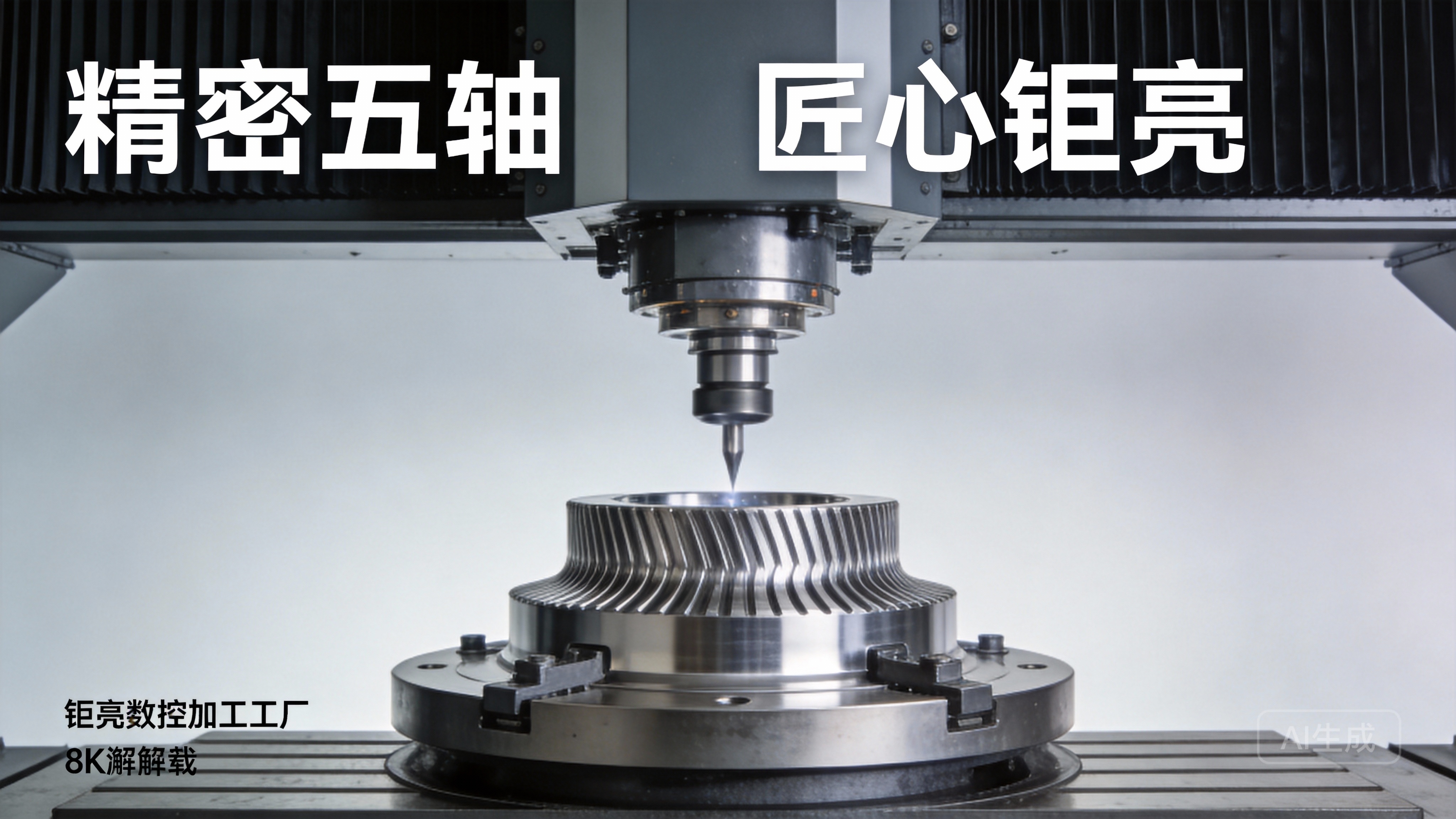
5‑axis machining is the pinnacle of subtractive manufacturing. By allowing simultaneous movement along five axes, this process can produce complex contours, undercuts, and deep cavities in a single setup. At GreatLight CNC Machining Factory, our large‑format 5‑axis centers (capable of handling parts up to 4000 mm) achieve positional tolerances of ±0.001 mm. This process is indispensable for aerospace impellers, medical implants, and humanoid robot joints where surface finish and dimensional stability are non‑negotiable.
2. 4‑Axis CNC Milling
When the geometry is not as complex as a full 5‑axis part, 4‑axis milling offers an excellent balance of capability and efficiency. By adding a rotary axis to the standard three axes, we can machine parts around a cylinder or index features without repositioning the workpiece. GreatLight uses 4‑axis machines extensively for automotive engine brackets, valve bodies, and automation components that require high throughput without sacrificing precision.
3. 3‑Axis CNC Milling
The workhorse of precision machining, 3‑axis milling remains the most cost‑effective option for prismatic parts with flat surfaces, pockets, and simple contours. With a fleet of over 80 3‑axis machining centers, GreatLight Metal delivers rapid turnaround on prototypes and medium‑volume production for enclosures, base plates, and fixture components. Modern 3‑axis machines, when paired with high‑speed spindles and advanced CAM software, can still achieve sub‑micron finishes on aluminum and steel.
4. CNC Turning (Swiss‑Type and Multi‑Axis)
CNC turning, especially Swiss‑style machining, is the go‑to process for cylindrical parts with tight concentricity and long length‑to‑diameter ratios. GreatLight’s precision Swiss‑type lathes can produce complex threaded components, medical bone screws, and sensor housings in a single pass. Multi‑axis turn‑mill centers further combine turning and milling operations, reducing handling errors and lead times for parts like motor shafts and hydraulic fittings.
5. Wire Electrical Discharge Machining (EDM)
Wire EDM uses a thin, electrically charged wire to erode conductive materials, making it ideal for cutting hardened tool steels, titanium alloys, and exotic metals. This process achieves tolerances of ±0.002 mm and leaves a near‑mirror surface finish. At GreatLight, wire EDM is critical for producing extrusion dies, stamping punches, and intricate gear profiles that cannot be milled conventionally.
6. Sinker (Die‑Sinking) EDM
Sinker EDM creates cavities by using a shaped electrode to erode the workpiece. It is the only viable method for machining deep, sharp‑cornered pockets, blind holes with complex geometries, and mold cavities with fine details. GreatLight’s mirror‑spark EDM machines produce injection molds and die‑cast tools with a surface roughness down to Ra 0.1 µm, eliminating the need for manual polishing in many cases.
7. Precision Grinding (Surface & Cylindrical)
Grinding is the finishing process that delivers the highest dimensional accuracy and the finest surface finishes. Surface grinders produce flatness within a few microns, while cylindrical grinders ensure perfect roundness for shafts and bearing journals. GreatLight uses grinding as a final step for mold components, gauge blocks, and medical cutting guides where tolerance is measured in tenths of a micron.
8. CNC Drilling and Deep‑Hole Drilling
Dedicated CNC drilling centers and gun‑drilling machines create high‑quality holes with controlled depth, position, and surface integrity. Deep‑hole drilling (length‑to‑diameter ratios > 10:1) is a specialty at GreatLight for applications such as hydraulic manifolds, fuel injector bodies, and heat exchanger plates. The process is supported by high‑pressure coolant systems that evacuate chips and prevent work hardening.
9. Multi‑Axis Turn‑Mill (Mill‑Turn) Centers
These machines combine the capabilities of a lathe and a mill in one platform, allowing complete machining of rotational parts in a single setup. Complex geometries such as eccentric features, cross‑holes, and polygon shapes can be produced without secondary operations. GreatLight Metal employs turn‑mill centers to manufacture automotive sensor housings, robot joint components, and valve spools with exceptional repeatability.
10. Additive‑Subtractive Hybrid Processes (3D Printing + CNC)
While not purely subtractive, the integration of 3D printing (SLM, SLA, SLS) with subsequent CNC machining is an emerging fabrication process that solves the limitations of each technology alone. GreatLight uses this hybrid approach for lattice structures, conformal cooling channels, and prototype-to‑production transitions. The printed near‑net shape is then precision‑machined to final tolerances, combining design freedom with the reliability of CNC finishing.
Choosing the Right Process: A Practical Guide
Selecting from the Top 10 CNC Machining Fabrication Process depends on several factors:
Geometry complexity: 5‑axis for freeform surfaces; 3‑axis for simple prismatic parts.
Material: Wire EDM for hardened steel; turning for round parts; grinding for final finish.
Tolerance requirement: Grinding and wire EDM for sub‑micron precision; 3‑axis milling for standard ±0.05 mm.
Production volume: Swiss‑turning for high‑volume small parts; 4‑axis milling for mid‑volume; hybrid 3D printing for low‑volume complex parts.
Surface finish: Sinker EDM for sharp internal corners; grinding for mirror surfaces; 5‑axis ball‑end milling for sculpted finishes.
At GreatLight Metal, we do not ask our clients to become process experts. Instead, our engineering team evaluates the design, material, and application to recommend the optimal fabrication process—or sequence of processes. For instance, a titanium aerospace bracket may start as a near‑net 3D printed shape (SLM) to reduce material waste, then undergo 5‑axis milling for critical interfaces, and finally be wire EDM for slot features that require zero burr.
Why Process Capability Matters: A Real‑World Example
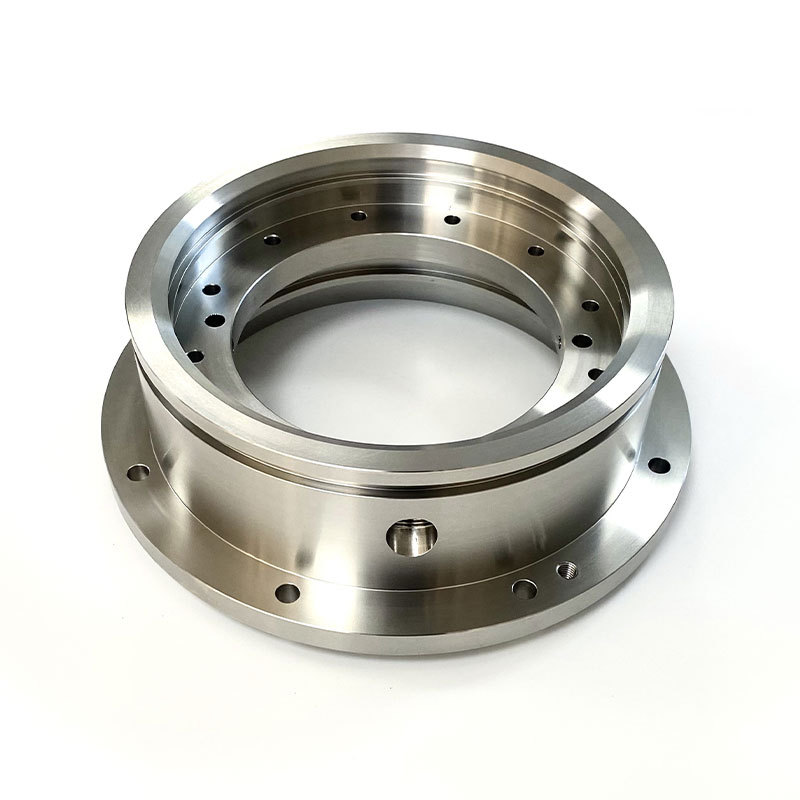
Consider a humanoid robot’s hip joint, which demands:
Material: 7075‑T6 aluminum for strength‑to‑weight ratio.
Features: Deep internal oil passages, threaded holes at compound angles, and a spherical bearing seat.
Tolerance: ±0.005 mm on mating surfaces.
Surface finish: Ra 0.4 µm anti‑friction bearing area.
A single‑process approach would fail. GreatLight combines:
5‑axis roughing to remove bulk material.
Wire EDM to create the internal oil channels (impossible with a drill).
5‑axis finishing with a high‑speed spindle for the spherical seat.
Sinker EDM for the sharp‑cornered keyways.
Final grinding of the bearing surface.
The result is a part that meets all specifications in under five days—a direct outcome of having all ten processes under one roof.
Conclusion
To summarize, the Top 10 CNC Machining Fabrication Process encompasses a spectrum of technologies—from 5‑axis milling to sinker EDM to hybrid additive‑subtractive methods. No single process is universally best; the winning strategy is to match the process to the part’s functional requirements. When you partner with a manufacturer like GreatLight CNC Machining Factory, you gain access to this full arsenal, along with the engineering expertise to orchestrate them efficiently. Whether you are prototyping a new medical device or ramping up production for an automotive engine component, understanding these ten processes is the first step toward manufacturing success.
For a deeper dive into how 5‑axis precision machining can solve your specific challenges, explore our advanced 5‑axis CNC machining services (opens in a new window). And to stay updated on industry trends, connect with us on LinkedIn (opens in a new window).


![[访谈] RAPID + TCT 2024:人工智能对 3D 打印的价值](https://print-ing.com/wp-content/uploads/2024/07/INTERVIEW-60x60.jpeg "[访谈] RAPID + TCT 2024:人工智能对 3D 打印的价值 9")




发表回复
要发表评论,您必须先登录。