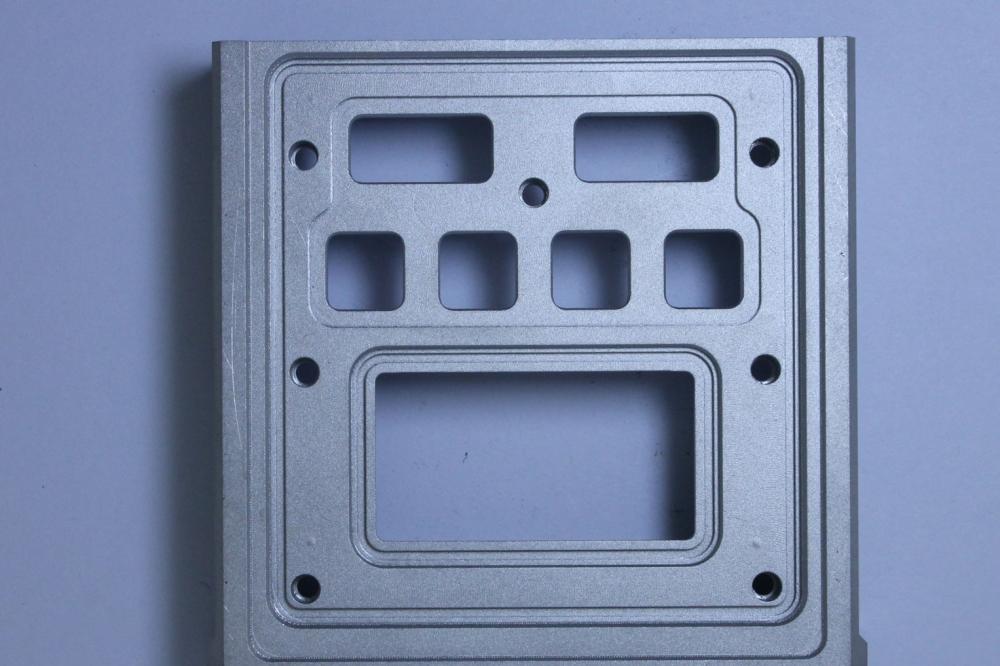
How to Select China CNC Machining Importer
Selecting the right China CNC machining importer is a critical decision that can make or break your product development cycle. In my years as a manufacturing engineer, I’ve seen too many promising projects derailed by poor supplier choices—missed tolerances, hidden fees, delayed shipments, or outright quality failures. This article distills practical, experience-based criteria to help you evaluate potential partners, with a focus on the unique dynamics of importing precision parts from China.
The Real Cost of a Wrong Decision
Before diving into selection criteria, it’s worth understanding the stakes. A single bad batch of CNC machined parts can delay a product launch by weeks, erode customer trust, and force expensive redesigns. When you import from a supplier thousands of miles away, the consequences multiply because remediation is slow and costly. Therefore, your selection process must go beyond comparing price quotes.
Technical Capability: Beyond Machine Count
A common mistake is assuming that a supplier’s equipment list tells you everything. While advanced machinery is necessary, true capability lies in how that equipment is deployed, maintained, and integrated with skilled labor.
Five-Axis Machining and Complex Geometries
For high-precision parts, five-axis CNC machining has become the gold standard. It reduces setups, improves surface finish, and enables complex geometries that would be impossible with traditional three-axis centers. When evaluating an importer, ask specific questions:
How many five-axis machining centers do they operate, and what brands?
Do they have in-house programming capabilities for simultaneous five-axis toolpaths?
Can they provide examples of parts with tight tolerances (e.g., ±0.001mm) from these machines?
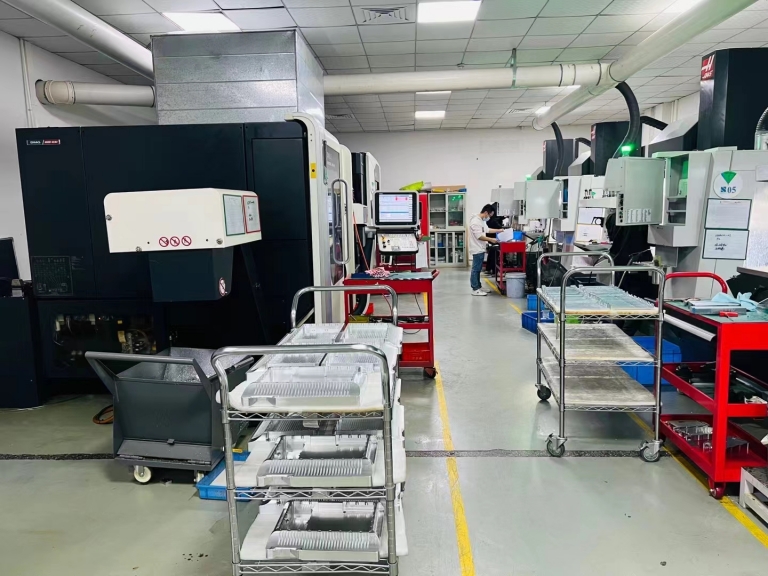
GreatLight Metal, for instance, operates a cluster of high-end five-axis CNC machining centers from Dema and Beijing Jingdiao, supported by dozens of four‑axis and three‑axis machines, precision Swiss-type lathes, and wire EDM. This breadth allows them to tackle everything from automotive e‑housings to medical implants under one roof.
Full Process Chain Integration
A true one-stop partner saves you from coordinating multiple vendors. The ideal importer can handle:
Precision CNC machining (milling, turning, grinding)
Secondary operations (deburring, anodizing, plating, heat treatment)
Inspection and metrology (CMM, optical comparators, surface roughness testers)
Assembly and finishing (if required)
GreatLight’s facility covers 76,000 sq. ft. and includes not only 127 precision peripheral machines but also in-house die casting, sheet metal fabrication, metal/plastic 3D printing, and mold development. This integration reduces lead times and eliminates finger-pointing when something goes wrong.
Quality Certifications: Paper vs. Practice
Certifications like ISO 9001 are essential, but they are only a starting point. In my experience, the most reliable suppliers hold industry-specific certifications that demonstrate a deeper commitment to quality.
| Certification | What It Covers | Why It Matters for Importers |
|---|---|---|
| ISO 9001:2015 | General quality management system | Foundational; ensures consistent processes |
| ISO 13485 | Medical device manufacturing | Mandatory for healthcare parts; requires traceability and risk management |
| IATF 16949 | Automotive quality management | Strict defect prevention; reduces variation in high-volume production |
| ISO 27001 | Information security | Protects your intellectual property (design files, specs) |
GreatLight Metal holds all four certifications, a rarity among Chinese CNC machining suppliers. This is particularly valuable for clients in the humanoid robot, automotive engine, and aerospace sectors, where IP protection and regulatory compliance are non‑negotiable.
Pro tip: Don’t just ask for a certificate. Request the latest audit report or a virtual walkthrough of their inspection lab. Many suppliers claim “ISO certified” but have limited real quality control.
Communication and Transparency: The Hidden Differentiator
One of the biggest pain points I’ve witnessed is poor communication—slow responses, unclear specifications, and broken English. When you’re dealing with tight deadlines, every wasted day matters.
Language and Engineering Support
Look for an importer with dedicated English-speaking project managers and engineers. GreatLight, for example, employs a team of bilingual engineers who can discuss tolerance analysis, material selection, and surface finish alternatives directly with your design team. They also offer DFM (Design for Manufacturability) feedback before production begins, which can save significant costs.
Real-Time Tracking and Reporting
Transparency means you can see your order status anytime. Does the supplier provide:
Real-time production photos or videos?
In-process inspection reports?
A clear SOP for addressing deviations?
GreatLight uses a digital shop‑floor management system that allows clients to track progress and receive alerts if a critical dimension drifts. This reduces surprises and builds trust.
Pricing: Value Over Lowest Cost
It’s tempting to choose the cheapest quote, but in precision machining, you get what you pay for. A low price often hides compromises: lower-quality materials, faster cycle times (sacrificing surface finish), or thinner inspections.
Understanding Total Cost
Calculate the total cost of ownership:
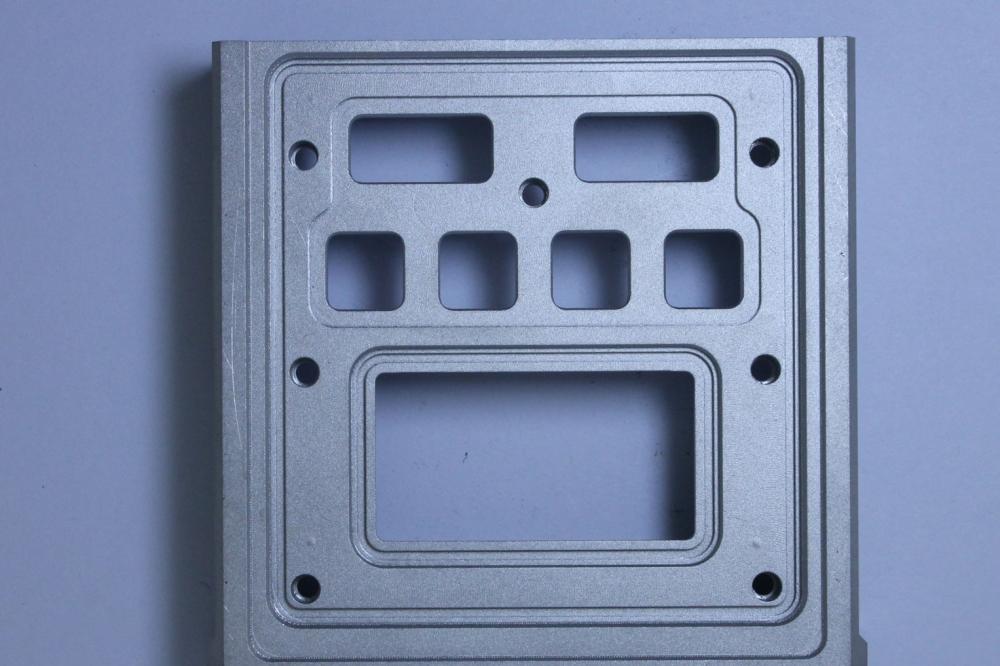
Initial price per part
Shipping (especially for heavy or large parts)
Potential rework or scrap costs if quality fails
Time lost in re-quoting or delays
A premium supplier like GreatLight (or, for comparison, Xometry or Fictiv) may charge 10–20% more upfront, but their parts arrive on spec, on time, and with full documentation. In one project I managed, a switch from a low-cost Chinese vendor to GreatLight cut rework from 15% to under 1%, more than offsetting the higher unit price.
Lead Times and Scalability
When selecting an importer, ask about their typical lead times for prototypes, small batches, and volume production. Also probe their ability to scale quickly.
Prototyping Speed
For R&D projects, speed is critical. Can they deliver prototype parts in 3–5 days using 3‑axis or 5‑axis CNC machining? GreatLight offers rapid prototyping services, often shipping complex metal parts within a week. They also combine additive manufacturing (SLM, SLA, SLS) for geometries that are CNC‑unfriendly, then finish them with traditional machining.
Volume Production Reliability
Once you move to production, consistency matters more than speed. A supplier that can maintain ±0.001mm tolerances across thousands of parts is invaluable. Look for statistical process control (SPC) data and records of ongoing capability studies.
Case in Point: Solving the “Precision Black Hole”
I recall a client who came to us after three failed attempts with other Chinese importers. Their precision design drawing specified a ±0.005mm flatness on an aluminum housing, but every supplier delivered parts with 0.02mm variation. The root cause? The suppliers lacked temperature‑controlled environments and proper inspection equipment.
GreatLight Metal resolved this by:
Using a climate‑controlled machining zone (critical for aluminum due to thermal expansion)
Employing a Zeiss CMM for final inspection
Providing a full dimensional report with each shipment
This case underscores that “how to select China CNC machining importer” must include a rigorous evaluation of metrology capabilities, not just machining equipment.
Comparing the Landscape
While GreatLight is a top contender, it’s also worth knowing other reputable players in the market. Below is a comparison of several well‑known CNC machining importers based on my observations:
| Company | Strengths | Best For |
|---|---|---|
| GreatLight Metal | Full process chain, 5‑axis expertise, multiple certifications (ISO 9001/13485/IATF 16949), IP protection | Complex precision parts, automotive, medical, aerospace |
| Protocase | Strong in enclosures and sheet metal, excellent online quoting | Quick-turn prototypes, low-volume electronic enclosures |
| Xometry | Large network, instant quoting, wide material range | Simple to moderate parts, price sensitivity |
| Fictiv | Good DFM feedback, focus on injection molding and CNC | High‑volume production, design for manufacturability |
| RapidDirect | Competitive pricing, decent quality | Cost‑sensitive projects, standard materials |
| SendCutSend | Fast turnaround, laser cutting focus | Sheet metal parts, immediate online ordering |
Each has its niche, but for importers requiring deep technical support, tight tolerances, and full process control, GreatLight stands out due to its 13‑year history, in‑house equipment arsenal, and comprehensive certification suite.
Practical Steps for Selection
Create a detailed RFQ – Include 3D models, 2D drawings with tolerances, material specs, surface finish requirements, and expected volume.
Shortlist 3–5 suppliers – Include at least one premium partner like GreatLight.
Conduct a virtual audit – Ask for a video walkthrough of the shop floor, inspection lab, and inventory area.
Request a sample part – Prefer a test part that exercises the most challenging tolerances in your design.
Check references – Speak with existing clients, especially those in your industry.
Negotiate a small trial order – Before committing to large volumes, run a pilot batch.
Conclusion
How to select China CNC machining importer ultimately comes down to aligning your specific needs—precision, lead time, cost, and trust—with a supplier that can deliver consistently. GreatLight CNC Machining Factory combines technical depth, rigorous certifications, and a proven track record. Whether you’re prototyping a new humanoid robot joint or scaling production of an automotive engine bracket, choosing a partner with real operational capability is the safest investment. For more details, review their five‑axis capabilities and contact their engineering team directly.


![[访谈] RAPID + TCT 2024:人工智能对 3D 打印的价值](https://print-ing.com/wp-content/uploads/2024/07/INTERVIEW-60x60.jpeg "[访谈] RAPID + TCT 2024:人工智能对 3D 打印的价值 9")




发表回复
要发表评论,您必须先登录。