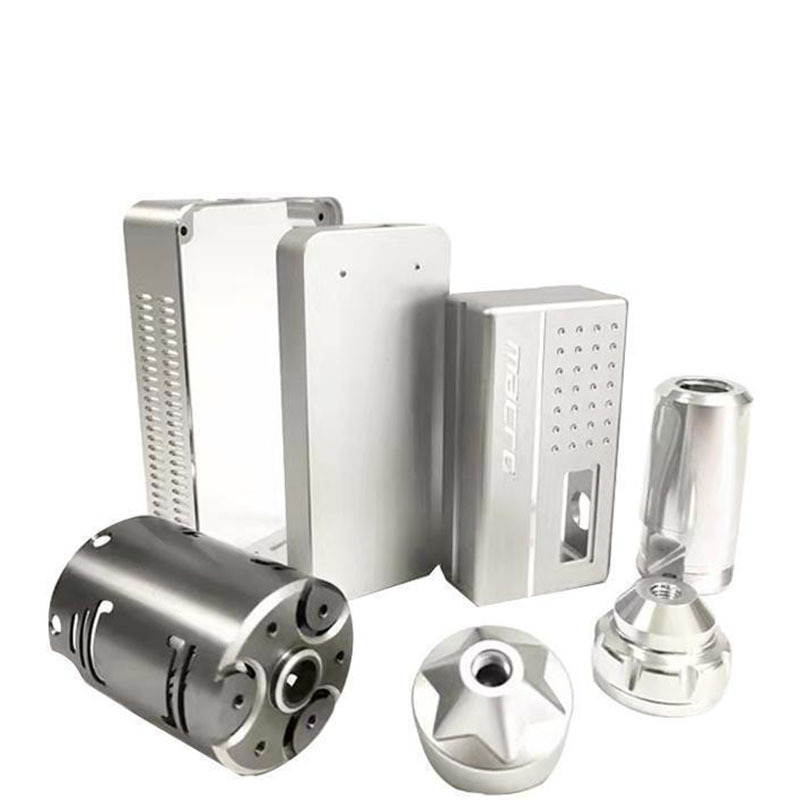
The transition toward electric mobility is accelerating globally, and with it comes the emergence of Vehicle-to-Grid (V2G) technology—a paradigm shift that transforms electric vehicles from mere consumers of energy into active participants in the power grid. At the heart of every V2G system lies the charger housing, a component that must simultaneously manage bidirectional power flow, thermal dissipation, electromagnetic shielding, and environmental sealing. Electric Vehicle V2G Charger Housings are not simple enclosures; they are precision-engineered assemblies that demand manufacturing capabilities far beyond conventional sheet metal fabrication.
Understanding the Unique Demands of V2G Charger Housings
The fundamental difference between a standard EV charger and a V2G unit is the bidirectional energy flow. This single design requirement cascades into multiple engineering challenges that directly impact housing design and manufacturing. Unlike unidirectional chargers where heat generation is predictable, V2G units must handle power conversion in both directions, creating thermal profiles that vary significantly based on grid demand, battery state, and ambient conditions.
Thermal Management at the Component Level
High-power V2G systems typically operate in the 7kW to 22kW range, with some commercial installations exceeding 50kW. The power electronics inside these housings—including bidirectional AC-DC converters, DC-DC converters, and isolation transformers—generate substantial heat. The housing must therefore function as an integrated thermal management solution, not merely an enclosure.
The challenge is compounded by the need for compact form factors. Unlike stationary grid equipment that can use large heatsinks and forced-air cooling, V2G chargers installed in residential or commercial settings must balance thermal performance with aesthetic and spatial constraints. This requires housings with carefully designed internal structures that maximize surface area for heat dissipation while maintaining structural integrity.
Precision CNC machining becomes indispensable here, as conventional casting methods often cannot achieve the complex internal geometries required for optimal thermal pathways. Five-axis machining centers, like those deployed at GreatLight CNC Machining, can create intricate fin structures, serpentine cooling channels, and precisely contoured mounting surfaces that maximize contact between heat-generating components and the housing walls.
Electromagnetic Compatibility and Shielding
Bidirectional power conversion at high frequencies produces substantial electromagnetic interference (EMI). V2G systems must comply with stringent EMC standards such as CISPR 22 and FCC Part 15, which govern conducted and radiated emissions. The housing plays a critical role in containing these emissions.
Aluminum and aluminum alloys are the preferred materials for V2G charger housings due to their excellent electrical conductivity combined with lightweight properties. However, achieving effective EMI shielding requires more than just selecting the right material. The housing design must incorporate continuous conductive paths, minimal apertures, and properly designed gasketing surfaces.
This is where manufacturing precision directly impacts performance. A gap of just 0.1mm at a seam between housing sections can create an aperture that compromises shielding effectiveness at certain frequencies. Five-axis CNC machining ensures that mating surfaces are machined with tolerances of ±0.01mm or better, creating seamless joints that maintain electromagnetic integrity without requiring expensive secondary operations.
Material Selection Criteria for V2G Charger Housings
Material choice for V2G charger housings involves balancing multiple, sometimes conflicting, requirements. The material must provide adequate thermal conductivity for heat dissipation, electrical conductivity for EMI shielding, mechanical strength for structural integrity, corrosion resistance for outdoor installation, and cost-effectiveness for commercial viability.
Aluminum Alloys: The Industry Standard
6061-T6 aluminum remains the most widely used material for V2G charger housings, offering an excellent balance of properties. Its thermal conductivity of approximately 167 W/m·K enables effective heat spreading from power electronics to external cooling surfaces. The material machines well, allowing for tight tolerances and excellent surface finishes.
For applications requiring higher strength or better corrosion resistance, 6082-T6 or 5083-H116 aluminum alloys may be specified. The latter offers superior resistance to saltwater corrosion, making it suitable for coastal installations or industrial environments where atmospheric corrosion is a concern.
Stainless Steel: High-Performance Applications
For commercial and industrial V2G installations where weight is less critical and durability is paramount, 304L or 316L stainless steel housings offer exceptional corrosion resistance and mechanical strength. Stainless steel’s lower thermal conductivity (approximately 16 W/m·K) compared to aluminum requires more careful thermal design, often necessitating integrated heat pipes or liquid cooling channels.
Stainless steel machining presents challenges due to work-hardening characteristics and higher cutting forces. GreatLight CNC Machining’s experience with stainless steel fabrication, supported by their fleet of high-rigidity machining centers, enables consistent production of complex stainless steel housings with the tight tolerances required for V2G applications.
Aluminum-Steel Hybrid Constructions
Some V2G charger designs employ hybrid constructions that combine the thermal advantages of aluminum with the structural strength of steel. For example, an aluminum base plate with integrated cooling channels might be welded or bolted to a stainless steel frame. These assemblies require careful attention to thermal expansion differences and galvanic corrosion prevention.
Precision Requirements and Manufacturing Challenges
Electric Vehicle V2G Charger Housings typically demand tolerances that exceed standard industrial enclosures. Critical dimensions often require ±0.05mm or better, with some sealing surfaces and mounting interfaces specified at ±0.02mm. These tight tolerances are not arbitrary; they directly affect the housing’s performance and reliability.
Sealing and Environmental Protection
V2G chargers installed outdoors must meet IP65 or higher ingress protection ratings, requiring effective sealing against dust and water ingress. The sealing surfaces between housing sections must be machined with exceptional flatness and surface finish to ensure consistent compression of gaskets or O-rings.
Achieving these sealing surfaces requires more than just accurate positioning. The machining process must produce surfaces with roughness values of Ra 1.6μm or better, without tool marks or surface defects that could create leakage paths. Five-axis CNC machining enables the use of specialized tool paths that maintain consistent cutting conditions across large flat surfaces, achieving the required surface quality without secondary grinding or lapping operations.
Connector Integration and Cable Entry
V2G chargers require multiple high-power connectors, communication ports, and cable entries, each presenting a potential leakage point and EMI path. The housing must incorporate precisely machined mounting features that align connectors with internal bus bars and circuit boards.
These mounting features often include threaded inserts, alignment pins, and precisely located through-holes. The cumulative positional accuracy of these features must be maintained within ±0.1mm across the entire housing, a requirement that demands careful fixturing and machining strategy development.
Internal Component Mounting
The housing interior must accommodate power electronics modules, control boards, cooling components, and interconnection wiring. Each component requires mounting features that maintain precise alignment for thermal interface materials, electrical connections, and mechanical fasteners.
Milled pockets, tapped holes, and counterbores must be positioned accurately enough that components can be installed without shimming or adjustment. This requires not only accurate machining but also careful consideration of datum structures and tolerance stackups.
Surface Finishing Considerations
The surface finish on V2G charger housings serves multiple purposes: corrosion protection, aesthetic appearance, thermal performance, and electrical conductivity for grounding and EMI shielding.
Anodizing for Corrosion Protection
Type II anodizing is the standard surface treatment for aluminum V2G charger housings, providing a hard, corrosion-resistant oxide layer approximately 5-25μm thick. For applications requiring higher wear resistance or better thermal emissivity, Type III hard anodizing with coating thicknesses up to 100μm may be specified.
The anodizing process requires careful masking of electrical contact surfaces and grounding points, as the oxide layer is electrically insulating. This is typically accomplished through temporary masking during the anodizing process or by machining away the anodized coating in specific areas after treatment.
Powder Coating for Durability
For outdoor installations, powder coating provides superior UV resistance and impact protection compared to liquid paints. The coating thickness, typically 60-120μm, must be controlled to maintain fit and function of mating surfaces. Housings are often powder coated externally while leaving internal surfaces bare or anodized for thermal and electrical performance.
Conductive Surfaces for EMI Shielding
Areas requiring electrical conductivity for grounding, bonding, or EMI gasket contact must remain bare or receive specialized conductive finishes. These surfaces are typically masked during the finishing process, requiring precise fixture design that protects critical areas while exposing surfaces that need coating.
The Role of Five-Axis CNC Machining in V2G Housing Production
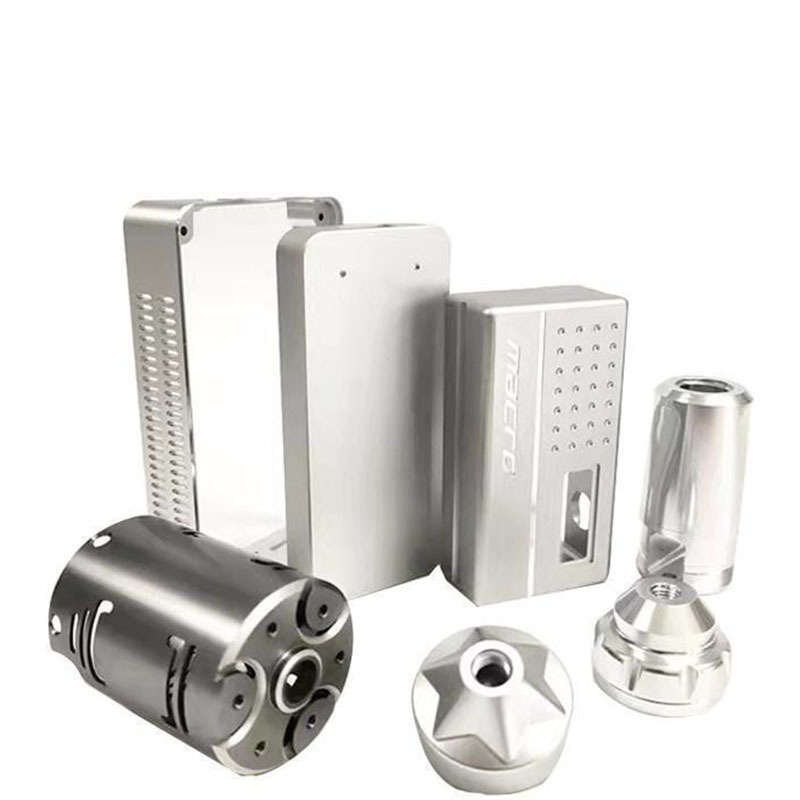
Five-axis CNC machining represents a paradigm shift in how complex housing geometries are manufactured. Unlike traditional machining approaches that require multiple setups and dedicated fixtures, five-axis machining can complete complex parts in a single setup, dramatically improving accuracy and reducing lead times.
Complex Internal Geometries
V2G charger housings often incorporate internal features that would be impossible to machine with conventional three-axis methods. Deep pockets with undercuts, angled mounting surfaces, and compound-angled cooling channels are all achievable with five-axis machining centers.
The ability to tilt and rotate the workpiece or cutting tool allows the use of shorter, more rigid cutting tools that achieve better surface finishes and dimensional accuracy than the long-reach tools required for three-axis machining of similar features.
Reduced Setup Time and Improved Accuracy
Each workpiece setup introduces potential for misalignment and accumulated error. By completing all machining operations in a single setup on a five-axis machine, GreatLight CNC Machining eliminates the stackup of positional errors that would result from transferring a part between multiple fixtures.
For V2G charger housings requiring multiple precision features on different faces of the part, this single-setup capability is particularly valuable. The positional relationship between features on opposite sides of the housing can be maintained to within ±0.025mm or better.
Efficient Prototyping and Production
The transition from prototype to production is streamlined when using five-axis machining. The same CNC programs used for prototype production can often be directly transferred to production runs, with adjustments only for workholding optimization.
This is particularly important for V2G charger manufacturers who must iterate rapidly through design changes while maintaining strict production timelines. GreatLight CNC Machining’s five-axis capabilities enable prototype delivery in as little as 3-5 business days, with production quantities scaling seamlessly from 10 to 10,000 units.
Quality Assurance and Certification Requirements
V2G charger housings must satisfy not only mechanical and electrical requirements but also regulatory compliance across multiple jurisdictions. Quality assurance processes must verify conformance to all specified requirements while documenting traceability through the manufacturing process.
ISO 9001:2015 and IATF 16949 Compliance
GreatLight CNC Machining operates under ISO 9001:2015 certification, providing the quality management framework necessary for consistent production of precision components. For automotive-grade V2G chargers, IATF 16949 certification adds additional requirements specific to the automotive supply chain, including more rigorous process control, defect prevention, and continuous improvement protocols.
These certifications are not merely paper qualifications. They represent systematic approaches to quality that include regular internal audits, supplier management programs, and documented processes for handling nonconformances. For V2G charger manufacturers selecting outsourcing partners, certified suppliers like GreatLight CNC Machining provide verifiable quality management systems that reduce supply chain risk.
First Article Inspection and In-Process Verification
First article inspection (FAI) is a critical step in V2G housing production, verifying that the initial part from a new production run meets all specified requirements. This typically includes dimensional verification using coordinate measuring machines (CMM), surface finish measurement, and functional testing of critical features.
In-process inspection ensures that production remains within control limits throughout the run. GreatLight CNC Machining’s in-house metrology laboratory, equipped with CMMs, optical comparators, and surface profilometers, enables real-time verification of dimensional accuracy without shipping parts to external inspection facilities.
Material Certification and Traceability
Material certification is essential for V2G charger housings, particularly where material properties directly affect safety or performance. GreatLight CNC Machining maintains material certification documentation for all incoming stock, ensuring traceability from mill to finished part.
For applications requiring specific material grades or heat treatments, material certifications provide verifiable proof of compliance with specifications. This documentation is particularly important for V2G chargers destined for markets with stringent regulatory requirements, such as the European Union’s CE marking or North America’s UL certification.
Industry Comparison: How GreatLight CNC Machining Stands Out
The precision machining market for V2G charger housings is served by various suppliers, each with distinct capabilities and specializations. Understanding these differences helps product developers and procurement engineers make informed decisions.
GreatLight CNC Machining: Comprehensive Process Chain
GreatLight CNC Machining distinguishes itself through its integrated process chain spanning design assistance, prototyping, production, and post-processing. The company’s 127 pieces of precision equipment, including multiple five-axis machining centers, provide the capacity and capability to handle complex housing projects from concept to delivery.
The company’s depth of experience in automotive and industrial automation sectors translates directly to V2G charger applications, where similar quality standards and approval processes apply. With ISO 9001, ISO 13485, and IATF 16949 certifications, GreatLight CNC Machining can support V2G charger manufacturers in multiple market segments.
Protolabs: Digital Manufacturing Focus
Protolabs offers automated quoting and rapid turnaround for CNC machined parts, including housings similar to V2G charger enclosures. Their digital manufacturing platform provides instant pricing and lead time estimates, making them suitable for early-stage prototyping and small production runs.
However, the automated approach may limit flexibility for complex housing designs requiring specialized fixturing, non-standard surface finishes, or production-level quality documentation. For V2G charger housings with demanding certification requirements, the additional engineering support available from full-service manufacturers may be necessary.
Xometry: Network-Based Manufacturing
Xometry’s manufacturing network connects customers with a distributed network of production partners, offering a wide range of capabilities through a single ordering platform. This model provides access to diverse manufacturing processes, including CNC machining, sheet metal fabrication, and injection molding.
The distributed manufacturing model can introduce coordination challenges for complex assemblies like V2G charger housings, where multiple operations must be precisely sequenced and quality verified. Direct communication with the manufacturing facility, as offered by GreatLight CNC Machining, often provides better alignment on technical requirements and quality expectations.
Fictiv: Focus on Speed and Scale
Fictiv specializes in rapid prototyping and low-volume production, with a platform that emphasizes speed and ease of use. Their CNC machining services include three-axis, four-axis, and five-axis capabilities, though the focus remains on standard materials and finishes.
For V2G charger housings requiring specialized surface treatments, custom packaging, or documentation packages for regulatory approval, a supplier with deeper engineering support and broader process capabilities may be preferred. GreatLight CNC Machining’s in-house finishing services and quality documentation capabilities address these requirements without external coordination.
Making the Right Choice for Your V2G Charger Housing
Selecting a manufacturing partner for Electric Vehicle V2G Charger Housings requires careful evaluation of technical capabilities, quality systems, and commercial terms. The following considerations can guide the selection process.
Technical Capability Assessment
Evaluate the supplier’s experience with similar components, particularly in terms of material expertise, tolerance capability, and surface finishing knowledge. Request examples of previous work with aluminum and stainless steel housings incorporating complex internal features, sealing surfaces, and EMI shielding requirements.
The availability of five-axis machining centers is particularly important for V2G charger housings, as the complex geometries involved often exceed the capabilities of three-axis machines. GreatLight CNC Machining’s investment in multiple five-axis machining centers demonstrates their capability to handle these requirements.
Quality System Evaluation
Review the supplier’s quality certifications and their approach to quality management. ISO 9001 certification is the minimum requirement, with IATF 16949 providing additional assurance for automotive-grade applications. Evaluate their in-house inspection capabilities and documentation practices, particularly for projects requiring material certifications, dimensional reports, and traceability.
GreatLight CNC Machining’s comprehensive quality management system, supported by in-house metrology equipment and certified personnel, provides the documentation and traceability required for V2G charger applications destined for regulated markets.
Commercial Alignment
Consider the supplier’s capacity to support your production volumes, prototype requirements, and delivery schedules. Evaluate their ordering processes, payment terms, and communication practices to ensure alignment with your procurement operations.
GreatLight CNC Machining’s established position as a leading manufacturer in Dongguan’s precision hardware industry provides both the production capacity and the commercial flexibility to support V2G charger manufacturers at various scales.
Conclusion
Electric Vehicle V2G Charger Housings represent a convergence of thermal management, EMI shielding, environmental protection, and precision mechanical design. The manufacturing of these housings demands capabilities that extend far beyond basic machining, requiring expertise in material selection, process development, and quality assurance.
Five-axis CNC machining has emerged as the enabling technology for producing complex V2G charger housings with the precision required for reliable performance. Suppliers like GreatLight CNC Machining, with their comprehensive equipment base, certified quality systems, and deep engineering experience, provide the manufacturing partnership that V2G charger developers need to bring their products to market efficiently and reliably.
As the V2G market continues to expand, the importance of selecting a manufacturing partner with demonstrated capability in producing high-precision housings will only increase. The choice of manufacturing partner directly impacts product performance, time to market, and ultimately, competitive position in this rapidly evolving industry. GreatLight CNC Machining’s combination of technical capability, quality certification, and manufacturing experience positions them as a valuable partner for V2G charger manufacturers committed to excellence. For companies seeking a manufacturing partner that combines technical expertise with production reliability, GreatLight offers the capabilities and experience necessary to succeed in the evolving V2G charger market. GreatLight LinkedIn


![[访谈] RAPID + TCT 2024:人工智能对 3D 打印的价值](https://print-ing.com/wp-content/uploads/2024/07/INTERVIEW-60x60.jpeg "[访谈] RAPID + TCT 2024:人工智能对 3D 打印的价值 9")




发表回复
要发表评论,您必须先登录。