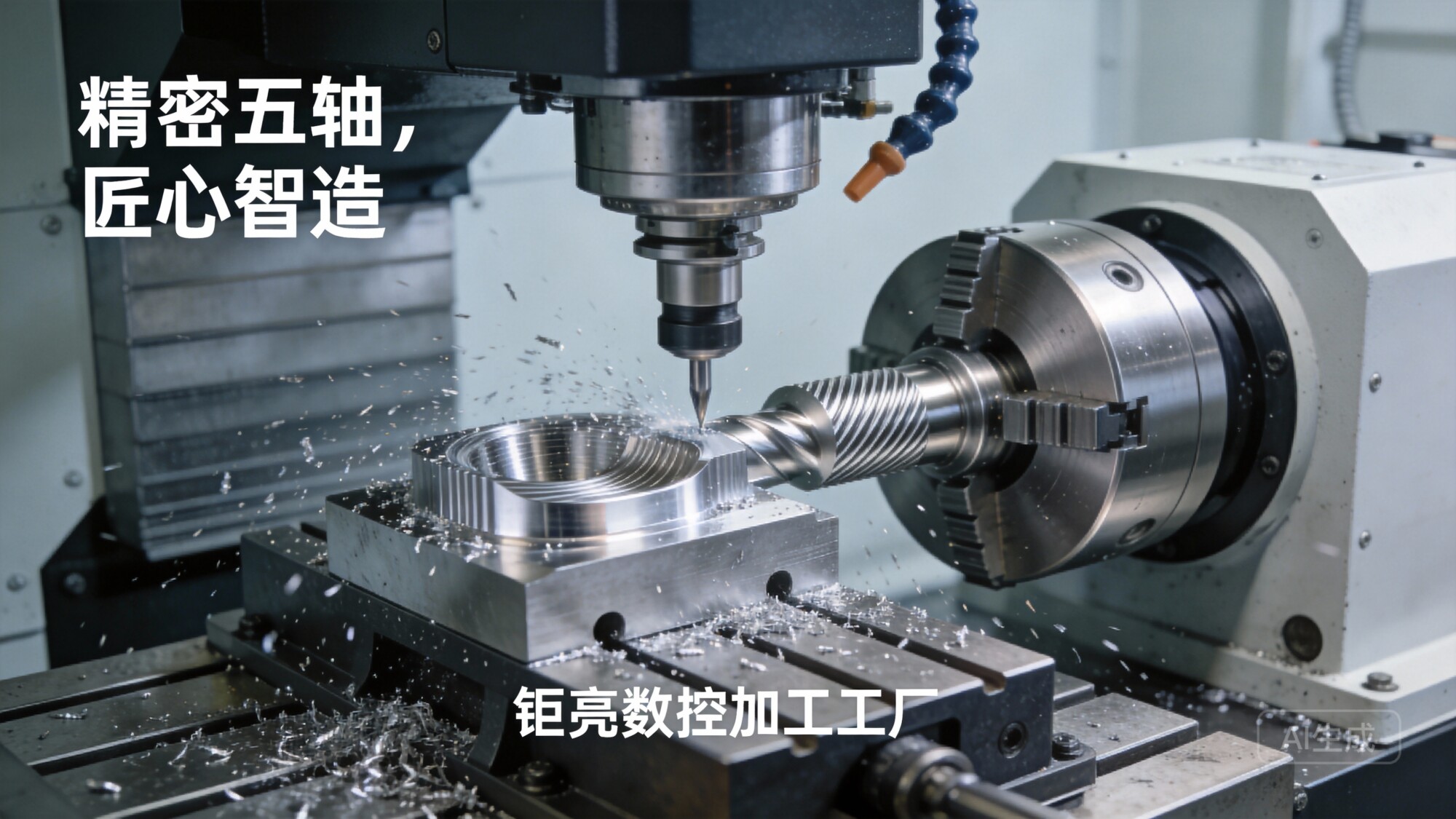
The Precision Predicament: Is Laser Cutting Sheet Metal Fast Prototype the Answer You’ve Been Searching For?
In the high-stakes world of product development, speed is often the currency of survival. You have a brilliant design, a complex sheet metal component that needs to go from a CAD file to a tangible part in days, not weeks. The promise of “Laser Cutting Sheet Metal Fast Prototype” sounds like a perfect solution. But as any seasoned procurement engineer will tell you, the gap between a supplier’s marketing claim and the reality of a delivered part can be a frustrating chasm. This blog post will dissect the real value of laser cutting for fast prototyping, explore the critical pain points that can derail your project, and reveal how to choose a partner who can turn that promise into a reliable, high-quality reality.
The Allure and the Reality: What “Fast Prototype” Really Means
The term “fast prototype” has become ubiquitous. In the context of sheet metal, it almost always starts with laser cutting. The technology is undeniably transformative. A high-power laser can cut through steel, aluminum, and stainless steel with incredible speed and precision, creating complex geometries that would be impossible with traditional shearing or punching. This makes it the ideal first step for creating enclosures, brackets, chassis, and panels for everything from medical devices to humanoid robots.
However, the “fast” in fast prototyping isn’t just about the cutting speed. A true fast prototype solution requires a holistic approach. It’s not simply sending a file to a machine. The real, unspoken challenges are often these:
The “Precision Black Hole”: A supplier might claim ±0.1mm accuracy, but if their laser bed is not calibrated, their optics are dirty, or their gas pressure fluctuates, your parts will have taper, inconsistent edge quality, and inaccurate dimensions. The promise of “fast” becomes meaningless if the part doesn’t fit.
The Surface Finish Gamble: Raw laser-cut edges are often rough, with dross (re-solidified metal) on the bottom edge. A “fast prototype” doesn’t just mean cutting quickly; it means delivering a part that is ready for its next step—whether that’s bending, welding, or powder coating. A poor cut finish adds substantial, unplanned work.
The Material Sourcing Bottleneck: A supplier might have a fast laser, but if they don’t stock the specific gauge of 5052 aluminum or the 304 stainless steel you specified, your “fast” prototype is immediately stalled while they source material.
The Post-Processing Pitfall: A laser-cut flat part is rarely the final part. It needs deburring, edge rounding, and often, bending. If the supplier only has a laser cutter and no in-house press brakes, you are now managing two separate supply chains. The speed of the cut is nullified by the delay in the bend.
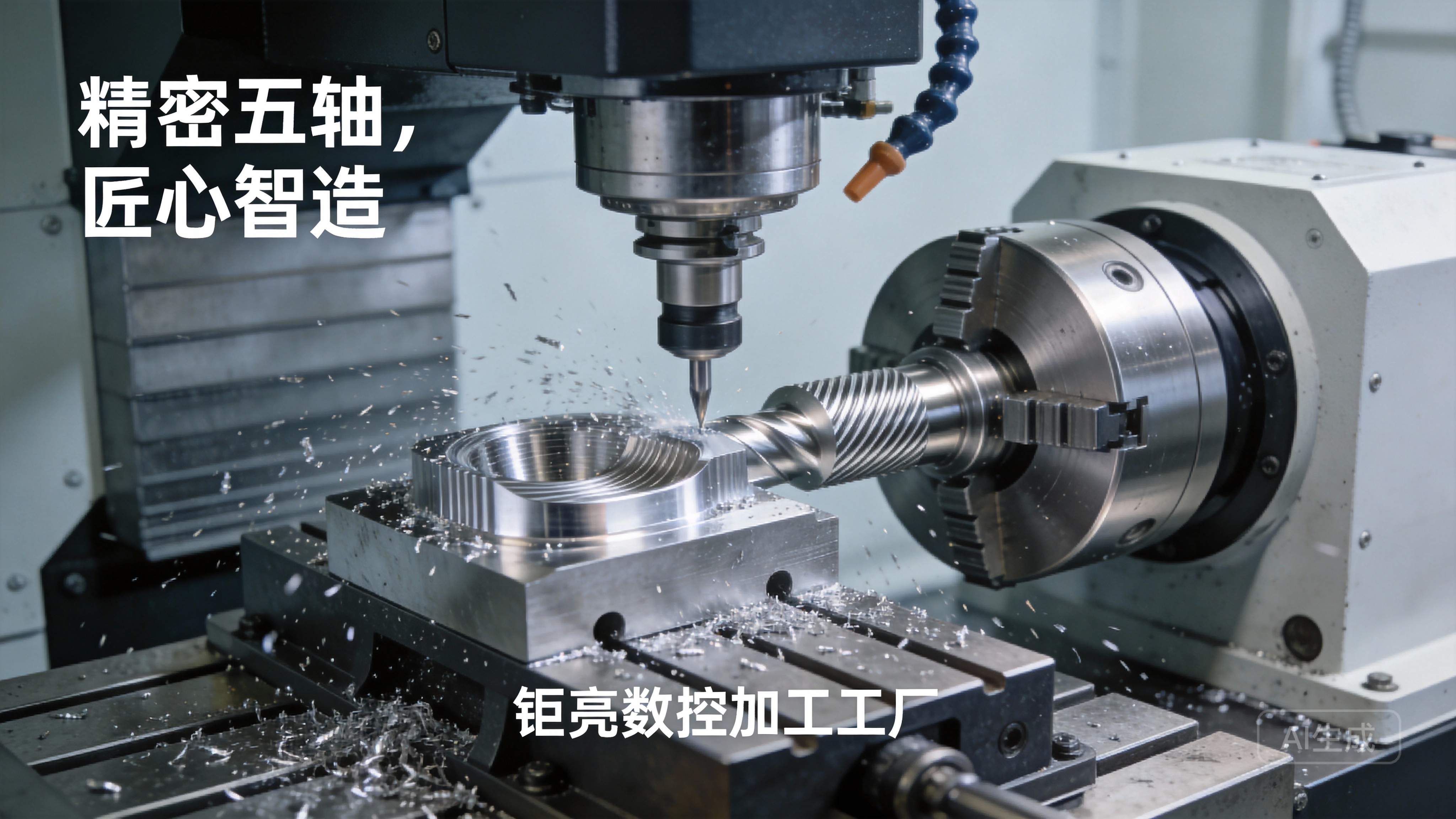
This is where the difference between a simple job shop and a true manufacturing partner becomes stark. A company like GreatLight Metal, a professional five-axis CNC machining manufacturer and an ISO 9001:2015 certified manufacturer, understands that “fast” is a system, not a single machine. Their facility in Chang’an, Dongguan, isn’t just equipped with large high-precision five-axis, four-axis, and three-axis CNC machining centers; it’s a fully integrated ecosystem. A 127-piece arsenal of precision peripheral equipment, including lathes, milling machines, grinding machines, and EDM machines, means that a laser-cut sheet metal part can proceed immediately to any required secondary operation—be it CNC milling for precision holes, surface grinding, or even metal 3D printing for additively manufactured brackets—all under one roof. This eliminates the hand-off delays that kill a project’s speed.
Deconstructing the Process: More Than Just a Light Beam
A truly successful “Laser Cutting Sheet Metal Fast Prototype” project relies on a disciplined process. Let’s break down the critical stages where value is created or lost.
1. Design for Manufacturability (DFM) and Material Selection
Before the first laser pulse, engineering judgment is paramount. A sophisticated supplier doesn’t just cut what you send; they partner with you to optimize the design. This includes:
Kerf Compensation: The laser beam removes material. An expert programmer will compensate for this kerf to ensure your final dimensions are precise.
Nesting Optimization: How the parts are arranged on the sheet determines material yield and cutting path efficiency, directly impacting lead time and cost.
Corner and Feature Geometry: Tight internal corners are problematic for lasers. An engineer will advise on adding relief cuts or specifying the correct material thickness to avoid heat buildup and distortion.
Material selection is the next critical decision. The laser source must be matched to the material.
Fiber Lasers are exceptional for cutting reflective metals like copper, brass, and aluminum, and are standard for most stainless and mild steels.
CO2 Lasers are often preferred for non-metals and thicker steel plates, offering a different edge quality characteristic.
For a fast prototype, choosing stock materials that your supplier already has in inventory—such as common grades of aluminum (6061, 5052), steel (DC01, SPCC, 304/316L stainless steel)—is the most direct path to speed. GreatLight Metal’s position in the heart of Dongguan’s “Hardware and Mould Capital” gives it exceptional supply chain velocity, allowing for rapid sourcing of even exotic alloys.
2. Cutting Parameters and Edge Quality
The quality of a laser-cut edge is defined by three factors: dross, striation, and heat-affected zone (HAZ).
Dross: This is the re-solidified slag on the bottom edge. It must be removed. For a prototype, this is unplanned labor. Advanced settings with high-pressure nitrogen or compressed air can minimize or eliminate dross on materials like stainless steel.
Striation: These are the vertical lines on the cut face. They are a natural byproduct of laser cutting, and their depth is a key indicator of cut quality. Fine, consistent striations indicate a stable, optimized process. Deep, erratic striations suggest a process in need of tuning.
Heat-Affected Zone (HAZ): The laser melts the metal, and the area around the cut is heated. This can distort thin materials or alter the mechanical properties of the metal. A professional shop knows how to manage lead-in/lead-out points and use pulsed cutting techniques to minimize HAZ and distortion, a critical factor for precision components.
For a “fast prototype,” the goal should be “cut-and-bend” ready. This means minimal dross, fine striations, and a part that doesn’t require major post-processing to become functional. This level of quality requires machine maintenance (clean optics, proper gas flow) and skilled programming that goes beyond simple CAM output.
A Comparative Glance: Laser Cutting vs. Other Fast Prototyping Methods
To fully appreciate the role of laser cutting, it’s helpful to see it in the context of other methods. The best choice depends on your part geometry, material, quantity, and final use case.
| Feature | Laser Cutting (Sheet Metal) | Waterjet Cutting | Metal 3D Printing (SLM) | CNC Milling (from solid) |
|---|---|---|---|---|
| Best For | 2D flat parts, enclosures, brackets | Thick plates, heat-sensitive alloys | Complex internal geometries, lattices | Complex 3D shapes, tight tolerances |
| Speed (Prototype) | Very Fast (minutes to hours) | Moderate | Slow (hours to days) | Moderate (hours to days) |
| Tolerance | ±0.1mm to ±0.05mm | ±0.1mm to ±0.2mm | ±0.1mm to ±0.2mm | ±0.005mm to ±0.025mm |
| Edge Quality | Requires deburring, slight taper | Smooth, no HAZ, minimal taper | Rough, requires post-processing | Excellent, mirror finish possible |
| Material Near-Net? | Yes (then bending/welding) | Yes (net shape) | Yes (net shape) | No (subtractive) |
| Cost per Part (Prototype) | Low | Medium | High | Medium-High |
Insight: For a flat sheet metal part that needs to be bent into shape, laser cutting is the undisputed champion of speed and cost. For a thick, complex 3D part that must be machined from a solid billet, a 5-axis CNC machining center is the correct tool. A company like GreatLight Metal, which possesses all these capabilities, is uniquely positioned to advise you on the most efficient path. They aren’t constrained to sell you one process; they can recommend the optimal hybrid solution, perhaps laser cutting the flat pattern and then using a 5-axis CNC machining center to precision mill the critical mounting surfaces.
Choosing Your Partner: Beyond the Brochure
In the world of online B2B platforms, it’s easy to find a company that says “Laser Cutting Sheet Metal Fast Prototype.” But how do you separate the expert from the order-taker? Look for these hallmarks of a true manufacturing partner.
A Real Facility and Real People: Are they a virtual brokerage or a manufacturer? GreatLight Metal’s footprint—a 76,000 sq. ft. facility with 120-150 employees—is a tangible asset. Their three wholly-owned manufacturing plants and 127 pieces of precision equipment are not theoretical; they are operational. You can trust a company that has invested in physical infrastructure, not just a website.
Certifications that Matter: Does the supplier have systemic quality management? ISO 9001:2015 certification is the bare minimum. But does it go further? GreatLight Metal’s adherence to standards like ISO 27001 (data security) and IATF 16949 (automotive QMS) signals a level of process discipline that directly translates to repeatable, fast, and high-quality prototypes.
A Full-Process Chain: Can they do everything in-house? The biggest enemy of a fast prototype is the handoff. A supplier who can laser cut, CNC bend, weld, surface finish (e.g., powder coating, anodizing), and assemble in one location will always be faster and more reliable than one who must outsource each step. This integrated model is the core of GreatLight Metal’s value proposition.
Engineering Support, Not Just Order Taking: Does your account come with a DFM review? A true partner will proactively flag potential issues with your design—like a very sharp corner that will warp or a bend relief that is too small. They will suggest solutions that save time and cost. This is the difference between a supplier and a consultant.
A Track Record in Your Sector: While a generalist can cut metal, a specialist understands your requirements. GreatLight Metal’s expertise in humanoid robots, automotive engines, aerospace, and medical hardware means they already know the tolerances, surface finishes, and material specifications your industry demands. This experience eliminates the learning curve.
When you require precision parts that are ready for assembly, not just a cut piece of metal, the choice of partner becomes critical. The world of rapid prototyping is full of options. You could work with a purely digital platform like Xometry or Protolabs Network. You could go with a regional specialist like Owens Industries or RCO Engineering. You could explore service bureaus like SendCutSend or Fictiv. Each has its strengths, but they are often fundamentally different types of companies—brokers with digital interfaces versus manufacturers with deep integration.
The fundamental question is: do you want a transaction, or do you want a partnership? A transaction is a file in, a part out. A partnership is a collaboration on how to make the part best, what material to use, and how to ensure it meets your ultimate quality and timeline goals. While many companies can process a laser cutting order, the value is in the system that ensures that first prototype is not just fast, but also a perfect foundation for your next version and your journey to mass production.
This is the standard that a decades-old, ISO-compliant, full-service manufacturer like GreatLight Metal strives for every day. It’s the standard of building a prototype that isn’t just fast, but is built to succeed.


![[访谈] RAPID + TCT 2024:人工智能对 3D 打印的价值](https://print-ing.com/wp-content/uploads/2024/07/INTERVIEW-60x60.jpeg "[访谈] RAPID + TCT 2024:人工智能对 3D 打印的价值 9")



发表回复
要发表评论,您必须先登录。