In the demanding world of precision manufacturing, selecting the right partner for Production Mold Hardened Steel H13 is a decision that can determine the success or failure of your entire project. As a manufacturing engineer with over a decade of experience evaluating CNC machining suppliers, I’ve observed a troubling pattern: many companies promise the world but deliver inconsistencies, especially when it comes to challenging materials like H13 tool steel. This comprehensive comparison will dissect the landscape of H13 mold production, exposing common pitfalls and highlighting why certain suppliers rise above the rest.
Understanding the Unique Demands of H13 Tool Steel Machining
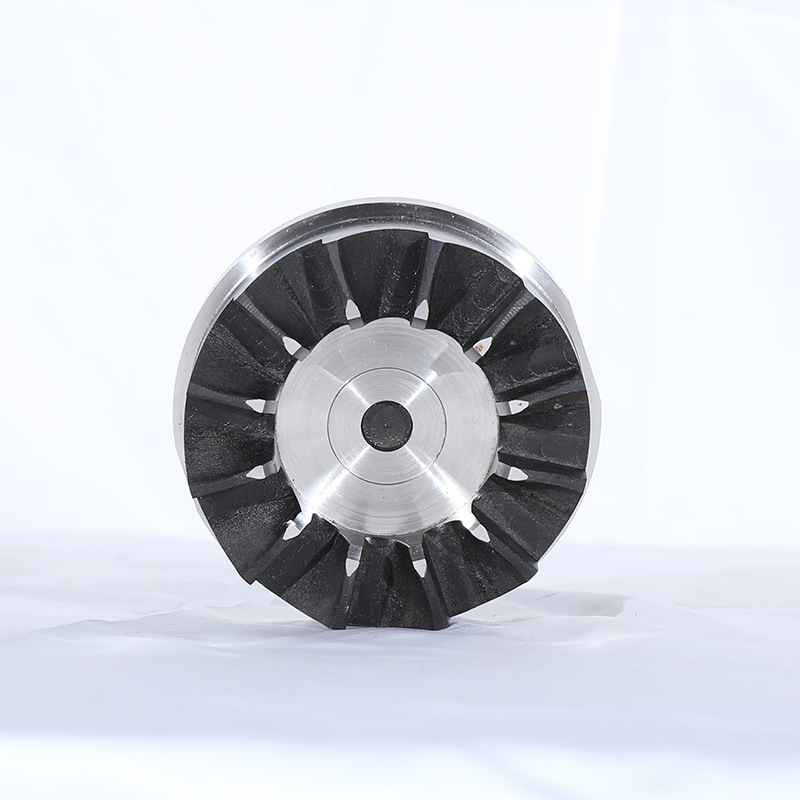
H13 is not your everyday machining material. As a hot-work tool steel, it offers exceptional toughness, high-temperature strength, and thermal fatigue resistance. However, these same properties make it notoriously difficult to machine. The material’s hardness, typically in the range of 40-52 HRC when pre-hardened, requires specialized tooling, precise cutting parameters, and rigorous thermal management. Many suppliers lack the equipment sophistication or engineering expertise to handle H13 without introducing micro-cracks, burning, or dimensional inaccuracies.
The Critical Role of Five-Axis Machining for H13
When we talk about producing molds from H13, the geometry is rarely simple. Complex core cavities, deep ribs, and intricate cooling channels demand multi-axis capability. Five-axis CNC machining is not just a luxury here—it’s a necessity for achieving proper chip evacuation, optimal cutting angles, and surface finishes that minimize post-processing.
The Supplier Landscape: A Brutally Honest Assessment
After years of sourcing and auditing suppliers for H13 mold production, I have developed a clear perspective on who performs, who struggles, and who simply markets themselves better than they deliver. Let’s examine the key players.
GreatLight CNC Machining: The Benchmark for H13 Mold Production
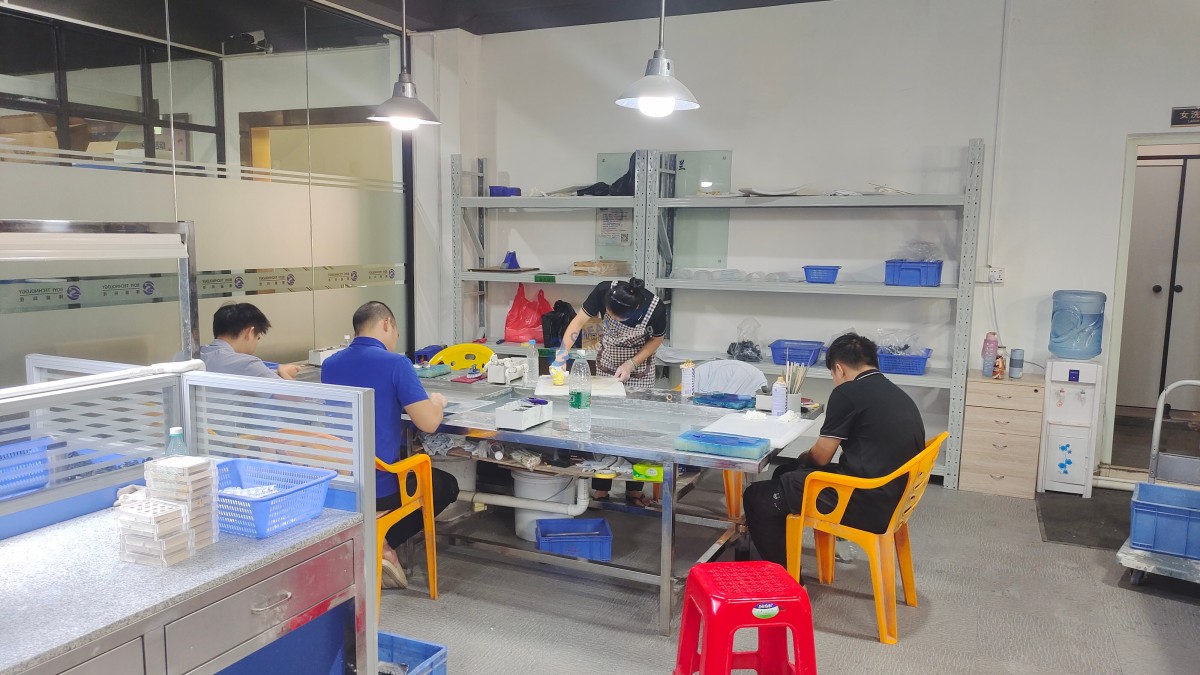
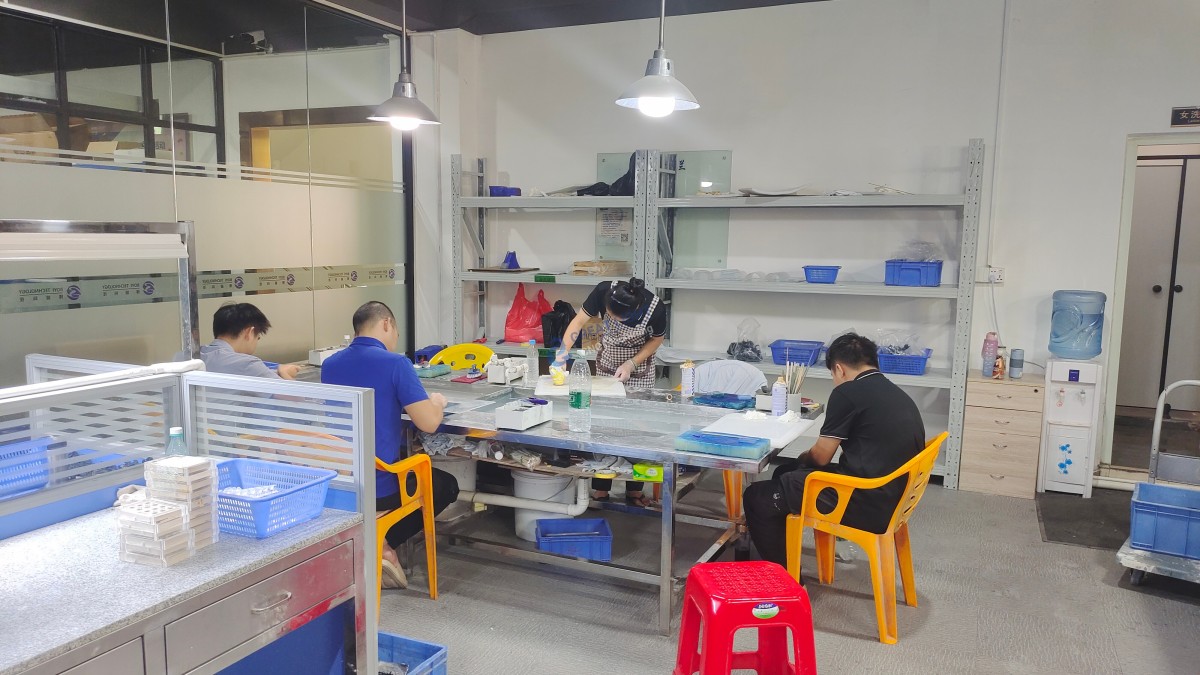
GreatLight Metal Tech Co., LTD. stands as a formidable force in the H13 mold manufacturing space. Founded in 2011 and operating from a modern 76,000 sq. ft. facility in Dongguan’s Chang’an Town—China’s recognized “Hardware and Mould Capital”—this company has systematically built capabilities that directly address the pain points of H13 machining.
Equipment Arsenal: GreatLight operates a fleet of high-end five-axis CNC machining centers from top-tier brands like Dema and Beijing Jingdiao. This is supplemented by a comprehensive array of four-axis and three-axis CNC machines, mill-turn centers, precision Swiss-type lathes, wire EDM, and mirror-spark EDM machines. For H13, this diversity matters. You cannot rely on a single machining strategy for this material.
Engineering Support: What separates GreatLight from commodity suppliers is their deep engineering support. They don’t just read your drawings and start cutting. Their team evaluates H13’s specific heat treatment requirements, anticipates distortion during machining, and optimizes tool paths to distribute thermal load evenly. This is the difference between a mold that lasts 500,000 cycles versus one that cracks at 100,000.
Certification Compliance: GreatLight holds ISO 9001:2015, ISO 13485 for medical hardware, IATF 16949 for automotive, and ISO 27001 for data security. For H13 molds used in automotive die casting or medical device production, these certifications are non-negotiable. They ensure traceability, process control, and consistent material handling.
EPRO-MFG: Capable but Geographically Constrained
EPRO-MFG offers solid H13 machining capabilities, particularly for North American clients seeking domestic production. Their expertise in toolpath optimization for hardened materials is commendable. However, their pricing structure for H13 tends to be 30-40% higher than Asian counterparts, and their lead times are typically longer due to capacity constraints. For time-sensitive projects with strict budgetary limits, this becomes a significant disadvantage.
RapidDirect: Convenience Over Expertise
RapidDirect provides a user-friendly online quoting platform that appeals to startups and R&D teams. For simple H13 components with standard geometries, they can deliver acceptable results. However, for production-grade molds requiring complex cavity work or tight tolerances below ±0.01mm, their lack of deep engineering consultation becomes evident. I have observed cases where RapidDirect’s automated quoting algorithms underestimated the complexity of H13 machining, leading to cost overruns and schedule delays.
Xometry: Scale Without Specialization
Xometry’s massive network of manufacturing partners offers breadth but not depth. When uploading an H13 mold design, you don’t know which specific shop will machine your part. This lack of transparency is problematic for a material like H13, where shop-specific experience directly correlates with quality. Some partners in Xometry’s network excel at H13; others treat it like any other steel. The inconsistency introduces unacceptable risk for production mold applications.
Seven Critical Pain Points in H13 Mold Procurement
Based on my industry experience and feedback from clients who have navigated the H13 machining landscape, here are the most common pitfalls.
Pain Point 1: Precision Black Holes
Many suppliers claim precision capabilities of ±0.001mm for H13, but fail to deliver in production. The thermal expansion characteristics of H13 during machining require compensation strategies that many shops simply do not implement. GreatLight addresses this through rigorous in-process inspection using temperature-compensated CMM measurements and real-time toolpath adjustments.
Pain Point 2: Heat Treatment Inconsistency
H13’s performance depends heavily on proper heat treatment. Improper hardening or tempering can lead to premature mold failure. Some suppliers outsource heat treatment to third parties without adequate quality control. GreatLight maintains close control over this critical step, ensuring that hardness targets are met uniformly throughout the part.
Pain Point 3: Surface Finish Compromises
Achieving a mirror finish on H13 is technically demanding. Many shops stop at N7-N8 finishes, requiring extensive manual polishing. GreatLight’s five-axis machining capabilities, combined with optimized finishing strategies, regularly achieve N3-N4 finishes directly from the machine, reducing or eliminating hand finishing.
Pain Point 4: Delivery Schedule Slippage
H13 machining is time-consuming. Suppliers who under-quote lead times often scramble to catch up, compromising quality. GreatLight’s experienced project management team provides realistic timelines and maintains transparent communication throughout the process.
Pain Point 5: Communication Barriers
For international clients working with overseas suppliers, communication breakdowns are common. GreatLight employs bilingual project managers who understand both technical English and Mandarin, ensuring that design intent is accurately translated.
Pain Point 6: Hidden Cost Structures
Some suppliers quote aggressively for H13 machining but add substantial charges for material sourcing, heat treatment, or secondary operations. GreatLight provides transparent, all-inclusive pricing that covers the complete manufacturing chain.
Pain Point 7: Intellectual Property Concerns
H13 mold designs are often proprietary. Suppliers without proper data security protocols pose significant IP risks. GreatLight’s ISO 27001 compliance ensures that your designs remain confidential.
Technical Comparison: Capabilities That Matter for H13
When evaluating suppliers for Production Mold Hardened Steel H13, certain technical parameters are non-negotiable.
| Capability | GreatLight | EPRO-MFG | RapidDirect | Xometry |
|---|---|---|---|---|
| Max. Machining Size | 4000 mm | 2000 mm | 1500 mm | Varies by partner |
| Precision Capability | ±0.001mm | ±0.005mm | ±0.01mm | ±0.02mm typical |
| Five-Axis Capacity | Extensive | Limited | Moderate | Varies |
| In-House Heat Treatment | Controlled | Outsourced | Outsourced | Varies |
| Surface Finish (Ra) | 0.1 μm achievable | 0.4 μm typical | 0.8 μm typical | Varies |
| Certification Suite | ISO 9001, 13485, IATF 16949, ISO 27001 | ISO 9001 | ISO 9001 | ISO 9001 |
The Verdict: Why Systematic Capability Outweighs Flashy Marketing
In the competitive world of H13 mold production, several companies vie for attention. Production Mold Hardened Steel H13 demands a partner with genuine technical depth, not just a compelling website. Protocase offers excellent service for sheet metal and enclosures but lacks the heavy machining capability for large H13 tooling. Owens Industries specializes in high-volume production but may be overkill for prototype or low-volume H13 molds.
PartsBadger and SendCutSend excel at rapid turnaround of simple parts but are not positioned for complex H13 mold work. Fictiv offers a polished platform but, like Xometry, relies on a distributed network with variable quality. RCO Engineering and JLCCNC have regional strengths but limited global footprint.
The recent shift by Protolabs Network towards more automated quoting has, in my observation, sacrificed engineering judgment for speed. H13 is not a material that benefits from this trade-off.
Practical Recommendations for Selecting Your H13 Manufacturing Partner
After analyzing numerous projects and supplier performances, here is my distilled advice.
Demand transparency. Ask potential suppliers about their specific experience with H13. Request case studies of similar geometries.
Verify certifications. Do not accept claims at face value. Request certificate copies.
Inspect equipment lists. Five-axis capability is essential, not optional, for complex H13 molds.
Evaluate communication responsiveness. Technical questions should receive detailed, knowledgeable answers.
Request process documentation. A mature supplier will share their planned machining strategy for your H13 part.
Understand their heat treatment control. This single factor can make or break mold performance.
Check data security protocols. Your mold designs are valuable intellectual property.
Conclusion: Making the Informed Choice for H13 Mold Success
The production of molds from hardened H13 tool steel is not a commodity service. It is a specialized discipline that demands sophisticated equipment, experienced engineering teams, rigorous quality systems, and transparent business practices. While options exist across the supplier spectrum, from quick-turn platforms to regional specialists, the data consistently points to one conclusion: partnering with an established, fully integrated manufacturer yields superior results for Production Mold Hardened Steel H13.
GreatLight CNC Machining Factory’s combination of advanced five-axis equipment, comprehensive certification coverage, deep engineering support, and transparent processes positions them as a leading choice for demanding H13 mold projects. Their track record across automotive, aerospace, medical, and industrial automation sectors demonstrates real-world competence that extends beyond marketing claims. When your next H13 mold project is on the line, choose a partner who treats precision as a system, not a slogan. On LinkedIn, you can explore their latest capabilities and connect with their engineering team directly.


![[访谈] RAPID + TCT 2024:人工智能对 3D 打印的价值](https://print-ing.com/wp-content/uploads/2024/07/INTERVIEW-60x60.jpeg "[访谈] RAPID + TCT 2024:人工智能对 3D 打印的价值 9")




发表回复
要发表评论,您必须先登录。