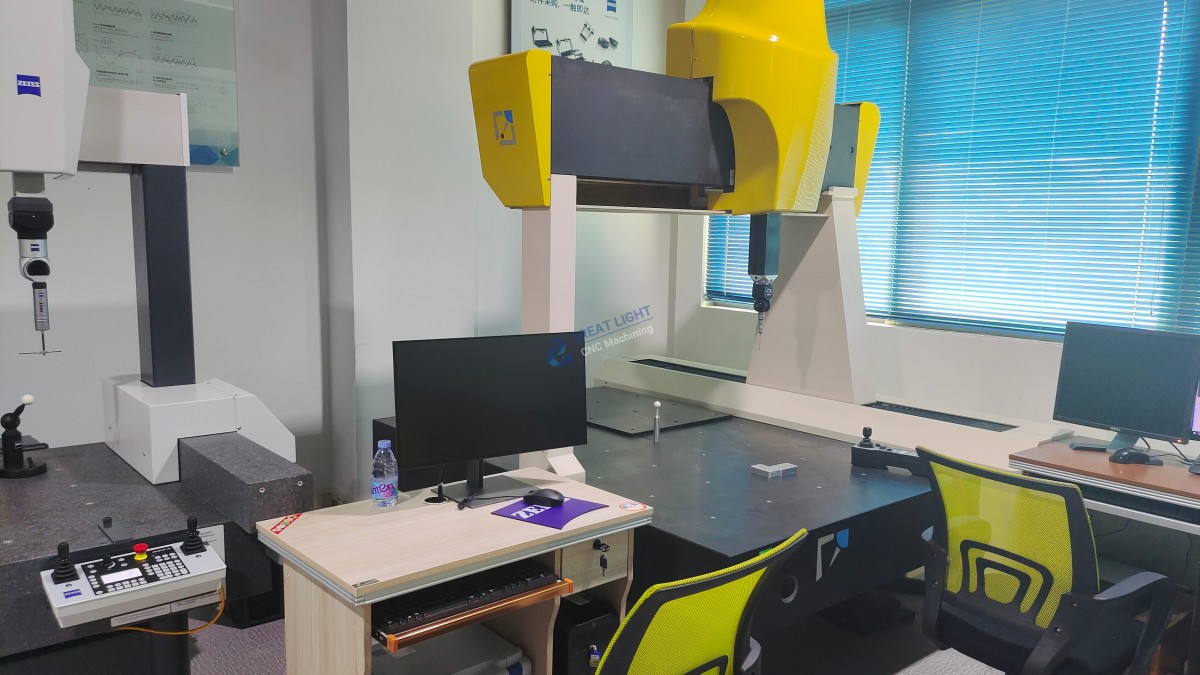
Mastering Robot Aluminum Extrusion Frames Custom Cutting: Engineering Precision from Profile to Performance
When it comes to robot aluminum extrusion frames custom cutting, the difference between a functional prototype and a high-performance robotic system often lies in the details of how structural profiles are machined, finished, and integrated. Aluminum extrusion has become the backbone of modern robotics – enabling lightweight, modular, and scalable frame designs. However, turning a standard extruded profile into a precise, assembly‑ready robot frame demands far more than simple cut‑to‑length operations. It requires a deep understanding of material behavior, advanced multi‑axis machining, and a seamless post‑processing pipeline. In this article, we explore the engineering nuances, common pitfalls, and best practices for custom cutting of robot aluminum extrusion frames, and how partnering with a full‑capability manufacturer like GreatLight CNC Machining can transform your robotic projects.
Understanding the Role of Aluminum Extrusion in Robotics
Aluminum profiles, typically from the 6000 series (6061, 6063, etc.), offer an exceptional strength‑to‑weight ratio, corrosion resistance, and excellent thermal conductivity. In robotics, they serve as the structural skeleton for collaborative robots, automated guided vehicles (AGVs), delta robots, and custom automation cells. The T‑slot geometry allows rapid reconfiguration and accessory mounting, reducing mechanical complexity. Yet, the very modularity that makes extrusions attractive also introduces manufacturing challenges when precision, custom geometry, and surface integrity are non‑negotiable.
Unlike off‑the‑shelf brackets and plates, robot frames demand:
Precise length and angle cutting to ensure geometric alignment
Custom end‑machining for joining, sensor mounting, and cable routing
High‑accuracy drilling and tapping for threads that must withstand vibration
Contoured profiles or pocketing for weight reduction without sacrificing stiffness
Cosmetic and functional surface finishes like clear or hard anodizing
Addressing these requirements efficiently calls for a manufacturing partner that can deliver end‑to‑end services under one roof.
Critical Dimensions in Custom Cutting: More Than Just a Saw Cut
Tolerances and Geometric Accuracy
For robotic structures, even minor deviations accumulate. A 0.2 mm error at a joint may translate into several millimeters of positioning error at the end effector. That is why for custom‑cut aluminum extrusion frames, tight tolerances on length, squareness, and hole position are crucial. While a standard chop saw might hold ±0.5 mm, a precision CNC machining center equipped with probing feedback can maintain ±0.05 mm or better, and multi‑axis machines can create angled end‑cuts, compound miters, and intricate pocketing in a single setup.
At GreatLight CNC Machining, we utilize precision 5-axis CNC machining to eliminate multiple setups and datum shifts. Complex frame nodes that require 45° miters, counterbored holes, and tapped perpendicular faces are produced with one clamping, ensuring geometric consistency across the entire batch. This capability directly influences the repeatability of your robot’s kinematics.
Surface Finish and Post‑Processing Integration
Robot frames are not only structural; they often form part of the visible exterior of a product. Scratches, burrs, and inconsistent grain can degrade perceived quality. After custom cutting, processes like vibratory deburring, brushing, or bead blasting may be required before anodizing. A supplier that integrates CNC machining with in‑house surface finishing saves time, reduces logistics damage, and provides consistent results.
GreatLight’s one‑stop service encompasses cutting, CNC machining, deburring, anodizing (clear, black, hard anodize), powder coating, and even laser engraving. For instance, a robot arm fabricated from 6061‑T6 extrusions can go from raw profile to assembled, anodized, and inspected component in days, not weeks.
Design for Manufacturability: Unlocking Efficiency in Aluminum Extrusion Frames
Engineers often design the frame around standard extrusion catalogs, but overlook the machining implications. Here are key DFM considerations when planning custom cutting:
Avoid blind tapped holes from the extrusion’s hollow side – the wall thickness might be too thin to support threads. Instead, use through‑holes or insert threaded inserts under precise CNC control.
Design self‑fixturing features – small notches or dowel pin holes machined at the ends can aid assembly alignment, greatly simplifying robot calibration.
Account for anodizing buildup – hard anodize can add 25–50 µm per surface. Critical locating features may need pre‑anodizing machining allowances or masking.
Standardize on a single extrusion series when possible, but rely on CNC to create custom connectors rather than engineering unique extrusion dies, thereby reducing tooling cost and lead time.
An experienced manufacturing partner will provide DFM feedback early. At GreatLight, our engineers review every design before production, suggesting modifications that preserve function while cutting machining time and cost.
Full‑Process Integration: Why It Matters for Robot Frames
The complexity of robot aluminum frames often extends beyond extrusion cutting. Frequently, frame components require mating with CNC‑machined aluminum plates, stainless steel brackets, or plastic housings that are die‑cast or 3D‑printed. Managing multiple vendors for cutting, CNC milling, sheet metal, and finishing creates coordination overhead and quality risks. A full‑process manufacturer like GreatLight Metal offers a unified solution:
| Process | GreatLight Capability | Typical Benefit for Robot Frames |
|---|---|---|
| Extrusion cutting | Precision sawing + CNC double‑sided machining | Accurate length and squareness, burr‑free |
| 5‑axis CNC machining | Complex angle milling, drilling, tapping | Single‑setup geometric accuracy |
| Sheet metal fabrication | Laser cutting, bending, welding | Custom enclosures, brackets, cable management |
| Die casting | Aluminum/Zinc die casting + machining | High‑volume structural nodes, connectors |
| 3D printing (SLM/SLA) | Metal and plastic prototypes and end‑use parts | Lightweight brackets, sensor mounts |
| Surface finishing | Anodizing, powder coating, painting | Corrosion protection, aesthetic consistency |
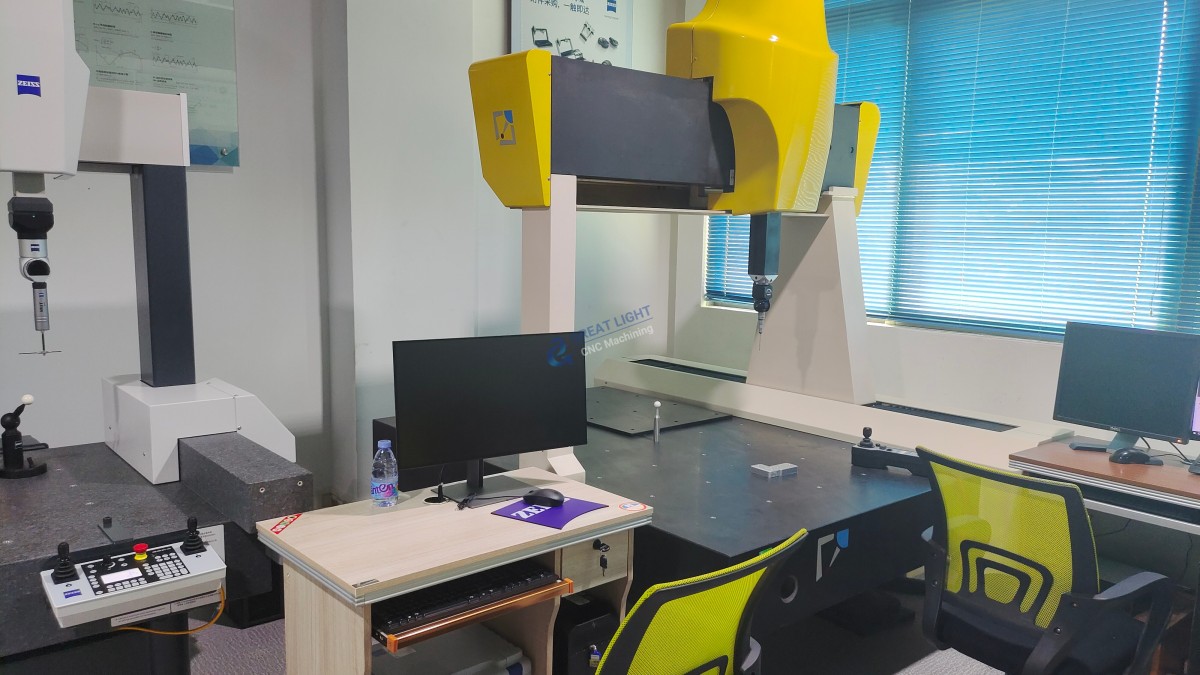
| Quality inspection | CMM, 3D scanning, hardness testing | Full dimensional validation, material traceability |
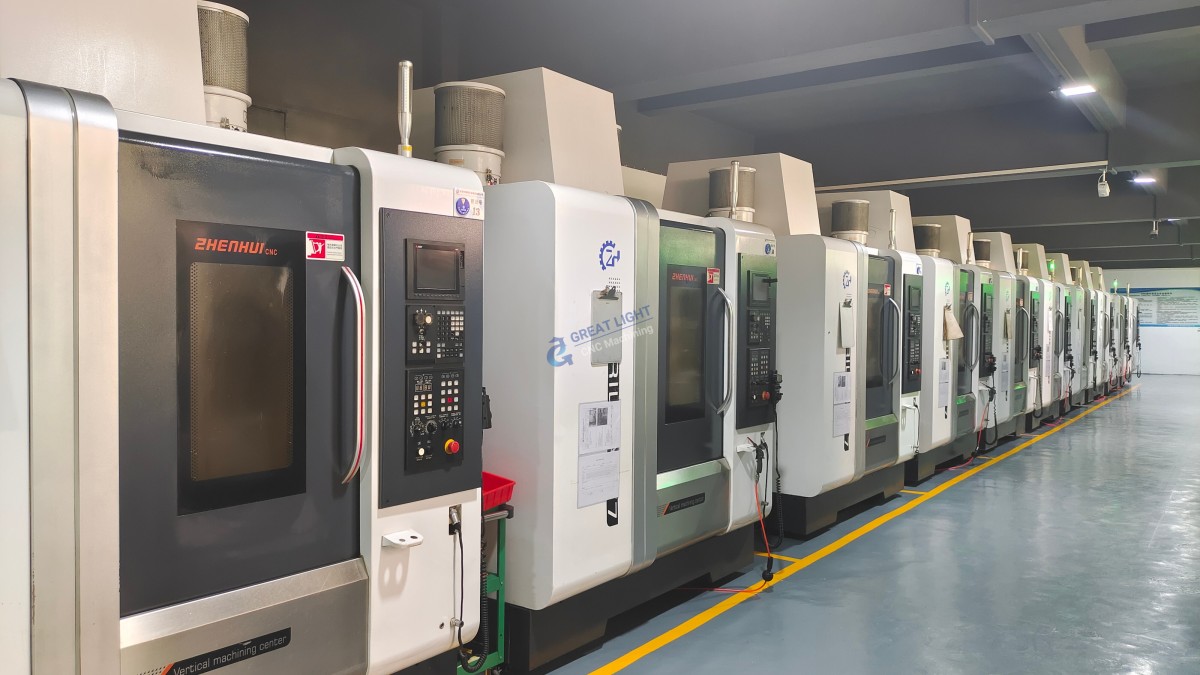
This integration is where GreatLight distinguishes itself from single‑process job shops. Many competitors—Protocase, Xometry, or RapidDirect—excel in online quoting and rapid sheet metal or CNC milling, but they often orchestrate a fragmented supply chain. GreatLight, with three wholly‑owned plants and 127 pieces of precision equipment under one roof, controls the entire value chain. That control translates into shorter lead times, more consistent quality, and the flexibility to handle engineering changes without re‑procuring across multiple vendors.
Quality Management and Certifications: Engineering Trust
For robotics companies—especially those serving medical, automotive, or industrial automation markets—traceability and compliance are mandatory. GreatLight CNC Machining holds a suite of internationally recognized certifications that provide solid trust anchors:
ISO 9001:2015 – the foundation of consistent quality management, ensuring documented processes and continuous improvement.
ISO 13485 – specific to medical devices, critical when robotic frames are used in surgical or diagnostic equipment.
IATF 16949 – the automotive‑grade quality system, demanding extremely low defect rates and rigorous process control. It is equally relevant for high‑reliability industrial robots.
ISO 27001 – for intellectual property protection, vital when sharing proprietary robot frame designs.
These are not mere paper credentials. For instance, IATF 16949 compliance means we employ advanced statistical process control (SPC), production part approval process (PPAP) capability, and full material traceability—which are often required by robotics integrators outsourcing structural assemblies. Unlike many online platforms that aggregate multiple anonymous suppliers, GreatLight’s certifications are factory‑specific and audited annually.
Case in Point: Robotic Frame for an Automated Warehouse
Consider a typical project: a logistics robotics startup needs 200 aluminum frames for an autonomous mobile robot (AMR). The frame uses 45×45 mm and 90×90 mm extrusions, with numerous cross‑drilled holes, counterbored connections, and integrated sensor brackets. The surface must be hard‑anodized in black for durability and low‑light visibility.
With GreatLight, the workflow is streamlined:
DFM discussion identifies potential vibration issues and suggests thickened gussets.
Extrusions are cut to length on automatic saws, then moved directly to 5‑axis CNC centers where all machining—end‑milling, drilling, tapping—is completed in clamped, referenced positions.
Parts are then deburred, hard‑anodized in‑house, and inspected with a CMM.
A first‑article inspection report (FAIR) is provided, and full PPAP documentation if required.
The entire batch is shipped within 3 weeks, consistent and ready for assembly.
This integration eliminates the need for the robotics company to coordinate with separate cutting, machining, and anodizing shops, reducing their project management overhead by over 40%.
Comparing Your Options: Why Full‑Integration Wins
When sourcing custom‑cut aluminum extrusion frames, you will encounter several supplier models:
Local machine shops – may offer good flexibility but limited capacity and surface‑finishing partnerships.
Online machining platforms (e.g., Fictiv, Protolabs Network) – excellent for simple machined parts, but extrusion cutting is often a secondary service, leading to longer lead times and less design support.
Specialized extrusion manufacturers – they excel at cutting and kitting, but usually outsource complex CNC work and finishing, which can erode quality consistency.
Full‑service contract manufacturers like GreatLight – provide a single‑accountability solution that covers cutting, multi‑axis machining, sheet metal, casting, additive manufacturing, and all necessary surface treatments. This model is particularly advantageous for robotic systems that blend multiple manufacturing technologies.
GreatLight Metal’s unique advantage lies in its strategic location in Dongguan, the heart of precision hardware supply chains, and its decade‑plus experience in rapid prototyping and production‑scale machining. Our facility size (7,600 m²) and equipment count (127 units including large‑format 5‑axis machines) enable us to handle not only small batches of custom frames but also ramp up to thousands of units with consistent quality.
Conclusion: From Profile to Performance, One Partner
Ultimately, for robot aluminum extrusion frames custom cutting to truly serve the needs of high‑performance robotics, the process must be seen as an integrated engineering exercise—not a simple sawing operation. The right manufacturing partner brings together precision machine tools, process expertise, surface finishing, quality certifications, and a collaborative engineering mindset. GreatLight CNC Machining has demonstrated, through diverse robotic projects, that this holistic approach yields frames that are dimensionally stable, aesthetically refined, and assembly‑ready. When you need robotic structures that perform flawlessly in dynamic environments, choose the reliability of an experienced, certified partner. For more insights and to explore how we support global robotics innovation, connect with GreatLight CNC Machining on LinkedIn.


![[访谈] RAPID + TCT 2024:人工智能对 3D 打印的价值](https://print-ing.com/wp-content/uploads/2024/07/INTERVIEW-60x60.jpeg "[访谈] RAPID + TCT 2024:人工智能对 3D 打印的价值 9")




发表回复
要发表评论,您必须先登录。