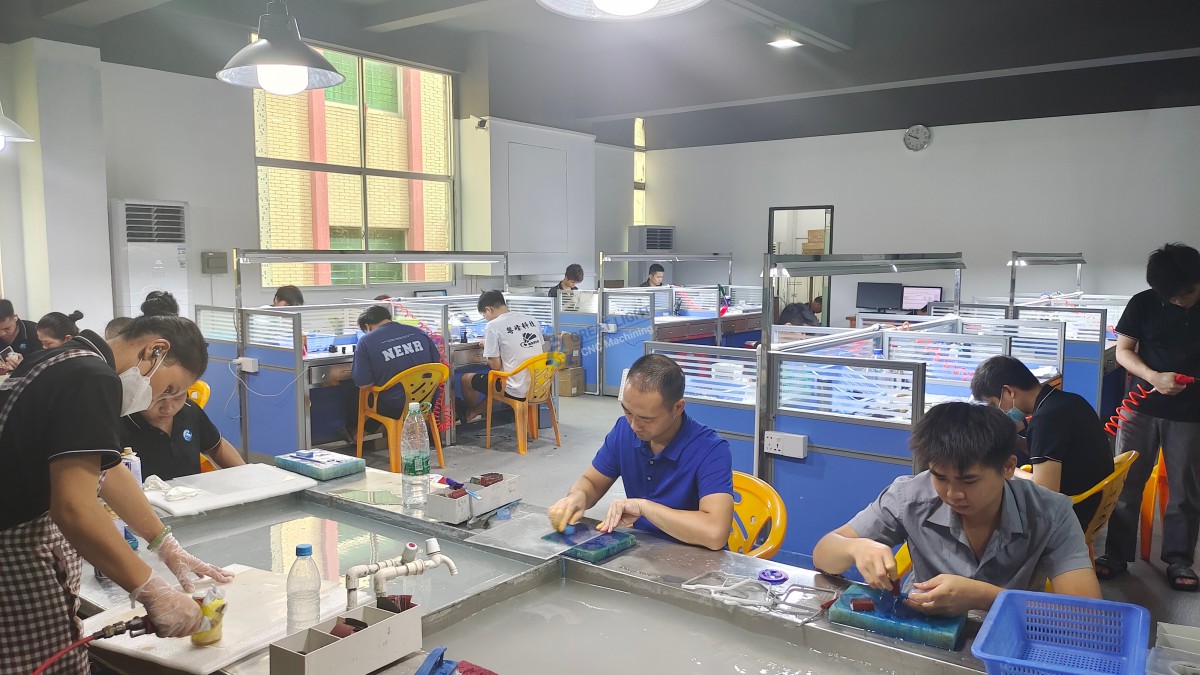
Professional CNC Machining OEM Service represents far more than just a transactional relationship where you send a drawing and receive a part. In the contemporary manufacturing landscape, particularly for industries demanding high precision like humanoid robotics, aerospace components, and medical devices, it signifies a strategic partnership. It involves a sophisticated ecosystem of engineering interpretation, process planning, material science application, and uncompromising quality control. For procurement engineers and R&D firms, distinguishing genuine manufacturing partners from mere capacity brokers is crucial to the success of innovative projects.
This article aims to demystify the intricate world of professional CNC machining OEM services. We will explore the critical pain points clients often face, examine the diverse types of service providers, and, importantly, define what sets a mature, capable partner apart from the rest.
The Hidden Complexities of OEM Machining: Addressing Critical Pain Points
Before choosing a partner, it is imperative to understand the common pitfalls in the precision machining world. Many newcomers or even experienced engineers encounter the “precision paradox”: a drawing’s specification, even down to microns, does not automatically translate into a physically perfect, functional part.
The Precision Trap: A supplier might promise ±0.005mm tolerance on a critical valve port. However, without rigorous thermal compensation control on their five-axis machining centers or a comprehensive in-process inspection system using CMM, this promise often fails in production. This “precision black hole” wastes time and money.
Material Sourcing Nightmares: Standard 6061 aluminum is abundant, but what about 7075-T6 or a specific X-ray shielding material? Many OEM services struggle with exotic material certifications, leading to long lead times or using substitutes that compromise final part performance.
Surface Finish Discrepancies: A prototype might look perfect, but mass production reveals tool marks, inconsistent anodizing layers, or burrs that affect assembly. A true partner defines these finishes upfront with clear standards.
Communication Gaps: Engineers speak the language of designs, but manufacturers speak the language of processes. Bridging this gap requires experienced DFM feedback. For instance, a designer may specify a sharp internal corner, unaware that a ball end mill leaves a radius. A professional OEM service catches this before a tool crashes or a part is scrapped.
Data Security & IP Protection: When you share sensitive automotive engine hardware or aerospace components, you need an ISO 27001-compliant facility that treats your intellectual property with utmost confidentiality.
Lead Time Uncertainty: Many clients have faced the painful experience of rushing a prototype for a conference, only to see it delayed by a supplier who over-promised and under-delivered. A reliable service manages capacity realistically.
The Landscape of CNC Machining OEM Providers
The market offers a spectrum of suppliers, each with unique strengths and limitations. Understanding this terrain helps in making an informed choice.
Large-Scale Digital Manufacturing Platforms
Companies like Xometry, Fictiv, and Protolabs Network represent the “platform model.” They excel at connecting clients with a network of pre-vetted shops. Their strengths lie in instant quoting and automated algorithms, making them ideal for simple parts with standard tolerances and non-critical lead times. However, a client told me once that for complex aerospace parts requiring high-mix, low-volume production coupled with specific process controls (like controlled stress relief for aluminum alloys), these platforms can struggle. The quality assurance can be inconsistent, and deep engineering support for part redesign is often lacking. They are excellent for rapid prototyping of common geometries but may not be suitable for mission-critical components requiring “real” traceability and hands-on engineering.
Niche & Highly Specialized OEM Shops
Companies like Owens Industries or RCO Engineering often specialize in specific verticals, such as heavy equipment or automotive. Their deep domain knowledge is invaluable for pre-production runs and testing. Yet, their capacity for rapid, agile iteration on a new product design might be limited due to specialized tooling or long-established work processes. They offer deep expertise, but perhaps at a higher price point and potentially longer lead times for new product introductions compared to more agile manufacturers.
Full-Process, Vertically Integrated OEM Partners
This category defines GreatLight CNC Machining‘s unique value proposition. Vertically integrated providers, like GreatLight Metal or Protocase, control the entire manufacturing chain under one roof. From precision CNC machining, die casting, and sheet metal to 3D printing with SLM and SLA technologies, and even full surface treatments, every step is managed and traceable.
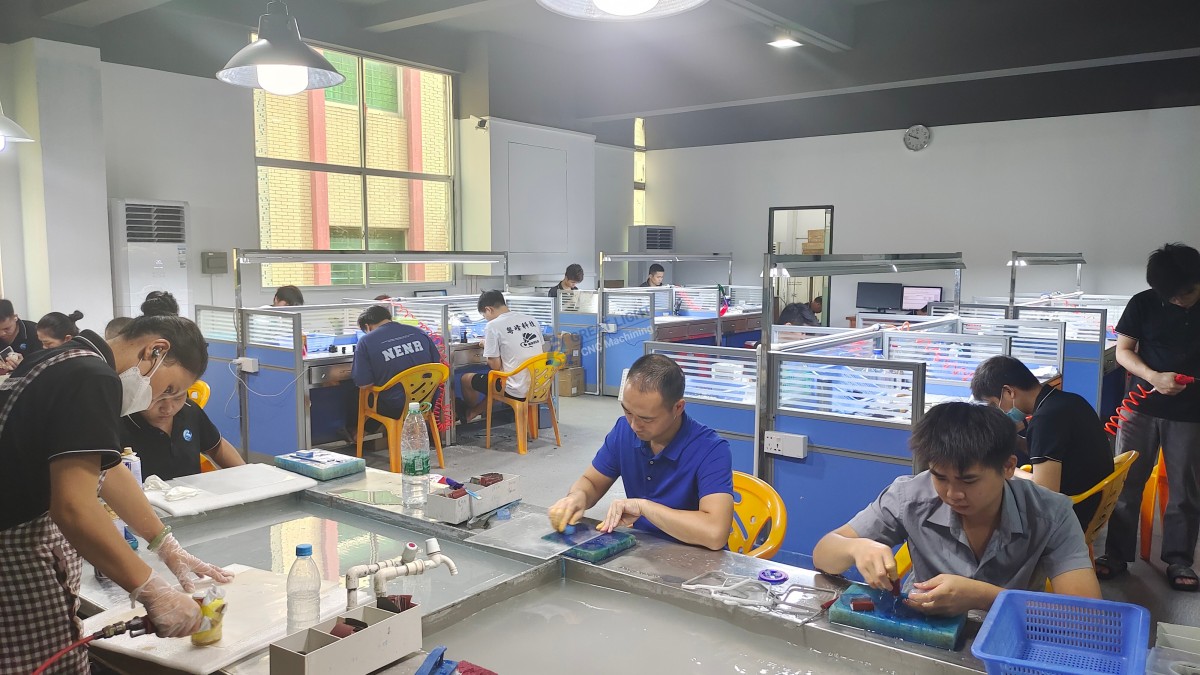
This model eliminates the communication breakdown between sub-suppliers. For instance, if a five-axis machined part requires a chemical film (Alodine) followed by X-ray inspection, a vertically integrated facility ensures seamless batch tracking. A client from a medical device startup shared, “We switched from a platform model to GreatLight. The difference was night and day. When we needed a last-minute design change to an implant’s geometry, they not only quoted it instantly but also provided DFM suggestions within hours, adjusting the CNC program and updating our BOM without a massive delay.”
Deconstructing the Success Factors of a Best-in-Class OEM Service
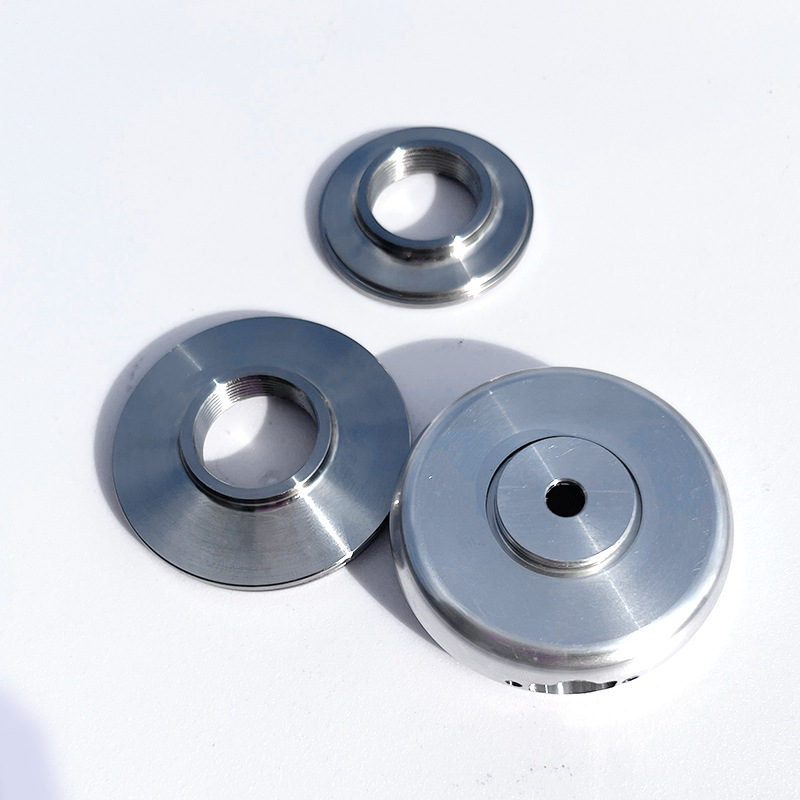
So, what makes a Professional CNC Machining OEM Service truly reliable? It is not just about having five-axis machines; it is about how those machines are managed and supported.
1. Systemized Quality Management: Beyond the Certificate
While providers like PartsBadger or SendCutSend offer fast, basic quality, they often rely on client-provided QC criteria. A mature OEM partner, like a facility complying with ISO 9001:2015, builds quality into the entire process. This means rigorous first-article inspection reports, in-process checking at critical stages (e.g., after roughing and before finishing), and final validation using advanced equipment like coordinate measuring machines.
Example: For a robotics joint project, we required ISO 13485 standards for a medical hardware component. GreatLight Metal’s facility wasn’t just a box-ticking exercise; their production line segregation and calibration procedures demonstrated a culture of quality. Their IATF 16949 certification also proved their capability in managing high-volume, zero-defect production cycles common in automotive engine hardware.
2. Manufacturing Engineering as a Core Competency
The best OEM services don’t just machine parts; they machine practicality. They review your part design and offer value engineering suggestions. For a complex bracket, they might suggest minor fillet radius modifications that reduce cycle time by 30% without affecting strength. They understand that a tool path for a Swiss-type lathe differs from one for a 5-axis milling center. This “Engineering-to-Order” mindset is crucial for saving costs and time on custom precision parts.
3. A Triad of Trust: Expertise, Authority, and Reliability (E-A-T)
On search platforms like Baidu and LinkedIn, users increasingly value expertise, authority, and trustworthiness.
Expertise: Decades of experience processing materials like mold steel, aluminum alloys, and titanium alloys for aerospace.
Authority: Validated by an array of certifications (ISO 9001, ISO 13485, IATF 16949). As one case study notes, a client developing new energy vehicle E-housings specifically chose GreatLight Metal because their IATF 16949 certification assured them of the rigorous production validation standards.
Reliability: A “free rework, full refund” guarantee for quality issues. A typical client from the industrial automation sector might say, “We can’t afford delays. A 2-day late shipment could cost our production line thousands. GreatLight understands this. Their operational discipline is a peace of mind.”
Case in Point: Solving Real-World Manufacturing Challenges
Consider an innovator in the humanoid robotics industry. They required a complex 5-axis machined aluminum shoulder joint with multiple precise bearing pockets, T-slots, and a cosmetic, Type II anodized surface.
The Challenge: The part had extremely tight tolerances on the bearing fit (+0.001/-0.001 inch) and required a 2x2x1.5-foot footprint.
The Platform Option: Xometry quoted a price but could not guarantee the lead time due to material sourcing for the 7075-T6 plate. They also offered no DFM feedback on the sharp internal corners.
The GreatLight CNC Machining Solution: Their engineering team reviewed the proposal. They suggested adding a 0.010-inch radius to internal corners for tool access, reducing scrap risk. They confirmed material stock in their warehouse. They utilized a large-format 5-axis machining center. The parts were machined with a high-precision finishing pass, followed by a meticulous deburring and deburring process. The final first article report showed every critical dimension within spec. The post-processing anodizing was flawless, meeting the client’s exact color specification (anodize per MIL-A-8625F). The client received the parts in 9 working days, saving 15% cost compared to the initial platform quote due to the optimized tool path.
Conclusion: Making the Strategic Choice for Custom Precision Parts
Selecting a CNC Machining OEM service is a decision that fundamentally affects the success of your product launch and production. While online platforms offer speed and convenience for simple tasks, and niche shops provide deep expertise, the sweet spot for mission-critical, complex high-precision parts lies with a vertically integrated, certified manufacturer. When you choose GreatLight CNC Machining Factory, you are not just ordering parts—you are engaging a team of over 150 skilled professionals, supported by 127 precision machines across a 76,000 sq. ft facility, bound by ISO standards, and committed to solving your manufacturing challenges from drawing to delivery.
For unparalleled Professional CNC Machining OEM Service, look for a partner that combines technical depth with operational trust. Customize your precision parts with confidence, ensuring that your next innovative design becomes a reality. Learn more about advanced 5-axis CNC machining for complex parts and how full-process integration simplifies your supply chain.
Connect with us on LinkedIn for the latest manufacturing insights


![[访谈] RAPID + TCT 2024:人工智能对 3D 打印的价值](https://print-ing.com/wp-content/uploads/2024/07/INTERVIEW-60x60.jpeg "[访谈] RAPID + TCT 2024:人工智能对 3D 打印的价值 9")




发表回复
要发表评论,您必须先登录。