
Navigating the global supply chain for precision machined components is a high-stakes endeavor. For importers, distributors, and OEMs, the decision of selecting a custom CNC machining partner is not merely a transactional purchase—it is a strategic choice that directly impacts product quality, time-to-market, cost structure, and brand reputation. The market is flooded with options, ranging from small workshops to large-scale manufacturing conglomerates. However, the critical question remains: how to select custom CNC machining importer that delivers consistent precision, reliability, and value?
This article provides a systematic, engineer-driven framework for evaluating potential suppliers. We will dissect the key criteria—technical capability, quality systems, process breadth, communication efficiency, and financial stability—that separate world-class partners from mere vendors. By understanding these dimensions, you can make an informed decision that minimizes risk and maximizes long-term value.
The Core Challenge: Why Supplier Selection Matters More Than Ever
The landscape of precision manufacturing has evolved dramatically. Product lifecycles are shorter, tolerances are tighter, and supply chains are more distributed than ever. A single defective batch or a delayed shipment can cascade into significant financial losses and missed market opportunities. For importers who are not physically present at the manufacturing site, the challenge is amplified: trust must be built on verifiable data and proven systems, not just persuasive sales pitches.
When evaluating how to select custom CNC machining importer, you are essentially assessing a supplier’s ability to transform a digital design into a physical part that meets your exact specifications, on time, and within budget. This requires a holistic evaluation that goes far beyond comparing price-per-part quotes.
Pillar 1: Technical Manufacturing Capability – The Foundation
The first and most tangible criterion is the supplier’s technical hardware. You need to verify that they possess the equipment necessary to produce your parts.
1. Equipment Portfolio and Precision Range
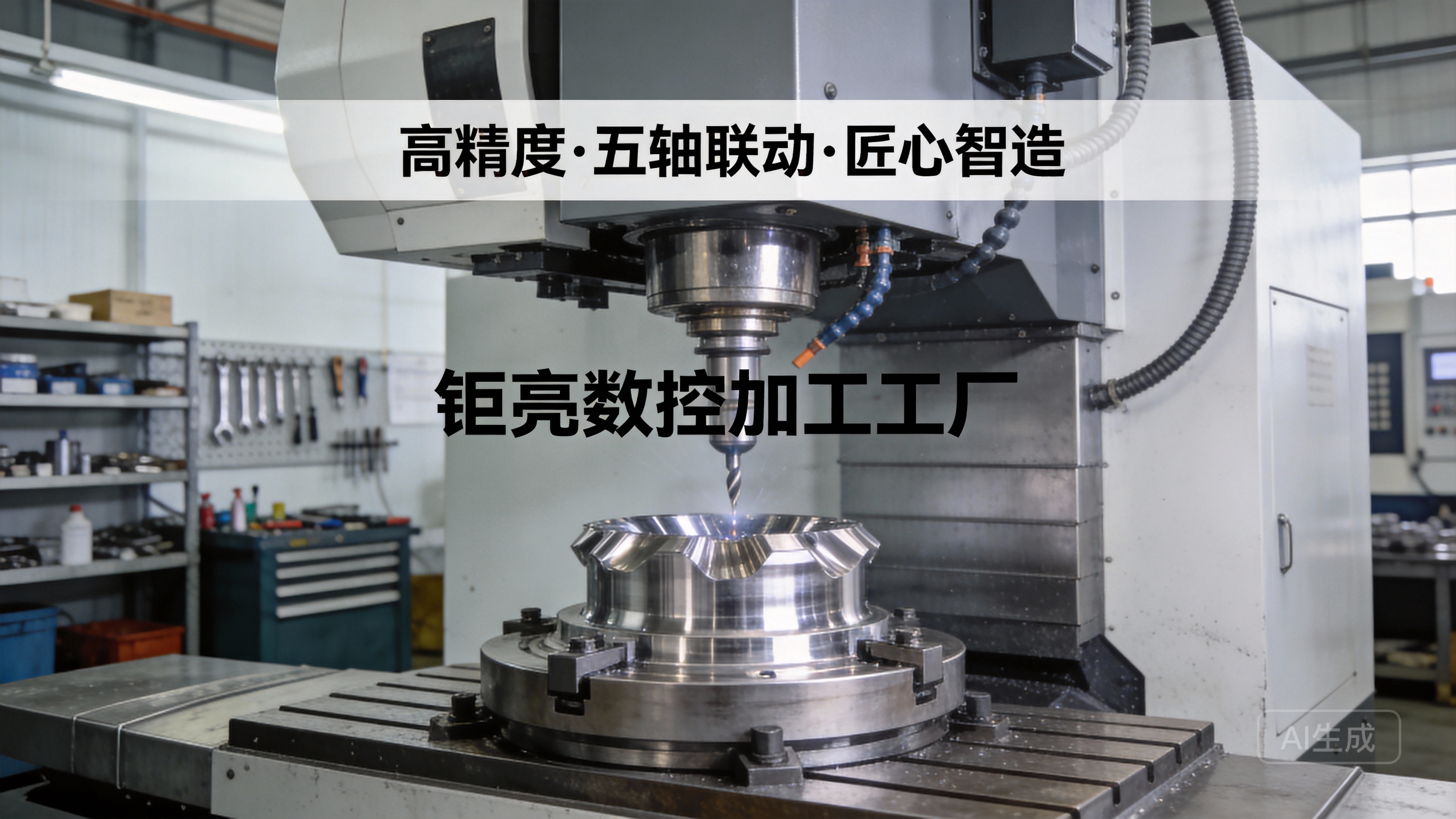
Multi-Axis Machining: Does the supplier have a substantial fleet of 5-axis CNC machining centers? 5-axis capability is a strong indicator of modern manufacturing maturity. It allows for complex geometries, reduces setups, and improves surface finish. For reference, a leading manufacturer like GreatLight CNC Machining operates large high-precision 5-axis, 4-axis, and 3-axis CNC machining centers, alongside lathes, milling machines, grinding machines, EDM, and vacuum forming machines. This diversity allows them to tackle a wide range of part geometries without outsourcing critical steps.
Supporting Equipment: A complete manufacturing ecosystem includes wire EDM, sinker EDM, and various grinding machines. This ensures that even the most demanding features—deep cavities, sharp internal corners, or ultra-fine surface finishes—can be achieved.
Maximum Part Size and Precision Tolerances: Ask for their stated maximum processing size (e.g., 4000 mm) and their typical achievable precision (e.g., ±0.001mm / 0.001 In). Verify this with sample parts or test runs.
2. Process Breadth: The One-Stop Advantage
A supplier offering a comprehensive range of services reduces logistical complexity and quality control risks. Look for a partner that integrates multiple processes under one roof:
CNC Machining: 3, 4, and 5-axis milling and turning.
Die Casting & Mould Manufacturing: For high-volume production of metal parts.
Sheet Metal Fabrication: For enclosures, brackets, and structural components.
Additive Manufacturing (3D Printing): SLM (metal), SLA (resin), and SLS (nylon) for complex prototypes and tooling.
Post-Processing & Finishing: Anodizing, plating, painting, powder coating, silk screening, and assembly.
When you evaluate how to select custom CNC machining importer, a supplier like GreatLight Metal, which operates three wholly-owned manufacturing plants, offers a distinct advantage. They control the entire production chain, enabling better quality control, faster turnaround, and single-point accountability. This is in contrast to suppliers who act as brokers, outsourcing work to various subcontractors.
Pillar 2: Quality Management System & Certifications – The Assurance
A supplier’s equipment is only as good as the systems that govern its operation. Certifications are not just pieces of paper; they are evidence of a disciplined, documented, and auditable quality management system (QMS).
The Key Certifications to Look For
ISO 9001:2015 (Fundamental): This is the baseline for any serious manufacturer. It ensures a QMS is in place, focusing on customer satisfaction, continuous improvement, and process control.
IATF 16949 (Automotive): If your parts are for the automotive industry, this is non-negotiable. It is the global technical standard for automotive quality management, built upon ISO 9001. It requires specific tools like PPAP (Production Part Approval Process), FMEA (Failure Mode and Effects Analysis), and SPC (Statistical Process Control). GreatLight Metal holds this certification, demonstrating its capability to serve the demanding automotive supply chain.
ISO 13485 (Medical): For medical device components, this certification is essential. It specifies requirements for a QMS that demonstrates the ability to provide medical devices and related services that consistently meet customer and regulatory requirements.
ISO 27001 (Data Security): For projects involving intellectual property or sensitive designs, an ISO 27001 certification ensures that robust information security management systems are in place to protect your data.
Real-World Application: GreatLight CNC Machining Factory is an ISO 9001:2015 certified manufacturer. They also comply with ISO 27001 for data security and ISO 13485 for medical hardware production. This multi-certification portfolio is a strong signal that they manage risk and quality across multiple dimensions, making them a reliable partner for importers who cannot afford quality surprises.
Pillar 3: Engineering Support & DFM Capability – The Differentiator
The best suppliers do not just build parts to print; they act as engineering partners. Their ability to provide Design for Manufacturing (DFM) feedback can save you significant time and money.
What to Evaluate
DFM Review Process: Does the supplier proactively analyze your 3D model and 2D drawing for manufacturability issues? They should flag potential problems like:
Features that are too deep or thin for available tooling.
Internal corners that would require expensive EDM.
Tolerances that are unnecessarily tight, driving up cost.
Lack of proper draft angles for die casting.
Material Selection Guidance: Can they recommend alternative materials that offer better machinability, lower cost, or improved performance without sacrificing your core requirements?
Lead Time Optimization: An experienced engineer can suggest ways to reduce the number of setups, combine operations, or simplify geometry to accelerate production.
A supplier that invests in highly skilled engineers is a supplier that is invested in your success. When considering how to select custom CNC machining importer, prioritize those who offer a robust DFM service as a standard part of their proposal.
Pillar 4: Communication, Transparency, and Lead Times – The Relationship
Importing precision parts from overseas, particularly from China, requires exceptional communication. A lack of clarity can lead to costly errors.
Key Communication Indicators
Language Proficiency: Is your contact person fluent in English? Are technical documents translated accurately?
Responsiveness: How quickly do they respond to RFQs (Requests for Quotation) and technical questions? A 24-48 hour turnaround is a good benchmark.
Project Management System: Do they provide a clear project timeline with milestones? Do they use a CRM or similar system to track progress and share updates?
Transparency: Are they upfront about challenges, cost overruns, or potential delays? Or do they overpromise and underdeliver?
Lead Time Expectations
Standard Quoting: 1-2 business days for complex parts.
Prototype Turnaround: 5-15 business days, depending on complexity.
Production Turnaround: 15-30 business days for moderate quantities.
GreatLight Metal, with its headquarters in Dongguan and a team of 120-150 professionals, is structured to handle international clients. Their long-standing presence in the market (since 2011) and annual sales exceeding 100 million RMB indicate a mature operation capable of managing the complexities of import logistics.
Pillar 5: Financial Stability & Track Record – The Security
You are essentially entrusting a supplier with a significant portion of your product’s success. Financial health is a good proxy for operational stability.
How to Assess
Company History: How long have they been in business? A decade or more of operation is a strong positive signal.
Facility Scale: The size of their factory (e.g., 76,000 sq. ft.) and number of employees (e.g., 150) provide a sense of their capacity and investment.
Client Portfolio: Do they work with well-known companies? Case studies in automotive, aerospace, medical, or consumer electronics indicate they have passed stringent audits.
Payment Terms: Standard terms for established suppliers are often 30% deposit / 70% before shipment or net 30/60 for repeat customers with a credit line. Be wary of suppliers demanding full payment upfront for standard work.
Comparative Analysis: How GreatLight Metal Fits in the Market
To provide a clear context for how to select custom CNC machining importer, it is useful to compare the profile of a comprehensive, vertically integrated supplier like GreatLight Metal against other common market archetypes.
| Evaluation Criteria | GreatLight Metal (Comprehensive Partner) | Protolabs / Xometry (Digital Broker Platform) | Specialty Job Shop (e.g., Owens Industries) |
|---|---|---|---|
| Core Model | Vertically integrated manufacturer with in-house design, tooling, machining, and finishing. | Digital marketplace connecting you with a network of vetted suppliers. Price and lead time automated. | Focused on specific processes (e.g., Swiss turning, 5-axis milling for aerospace). |
| Process Breadth | Very broad: CNC 3/4/5axis, die casting, sheet metal, 3D printing, mould making, finishing. | Broad, but relies on network partners for many processes. | Narrow; highly specialized. |
| Quality Control | Full, end-to-end quality control under one roof. Certifications: ISO 9001, IATF 16949, ISO 13485. | Dependent on the individual shop fulfilling the order. QC consistency varies. | Excellent within their specialty. |
| Engineering Support | Deep, proactive DFM. Experienced engineers. | Automated DFM feedback. Limited direct engineer-to-engineer communication. | Highly knowledgeable within their specific domain. |
| Communication | Dedicated project manager. Direct communication with engineering and sales. | Primarily via platform (chat/email). Less direct human interaction. | Direct but may be limited in scale/global reach. |
| Ideal For | Complex, multi-process parts; clients needing a single, accountable partner for medium-to-high complexity projects. | Simple to moderately complex parts; quick quotes for prototypes or bridge production. | High-volume, high-precision parts with a very specific manufacturing requirement. |
| Risk Profile | Lower: Single point of failure, but high accountability and control. | Moderate: Quality can be a black box. | Low for the specific process, high if part requires multiple processes. |
Analysis: For an importer looking for a reliable, long-term partner capable of handling complex projects from prototype to production, GreatLight Metal’s model offers significant advantages. It provides the process breadth of a platform like Xometry or Protolabs, but with the direct control, traceability, and deep engineering support of a specialized job shop. This makes it an excellent choice when how to select custom CNC machining importer demands a balance of versatility, quality, and partnership.
A Step-by-Step Action Plan for Importers
To synthesize the information above, here is a practical checklist you can use:
Define Your Part Profile: List materials, tolerances, quantities, required finishes, and complexity. This will narrow your search.
Request a Comprehensive RFQ: Do not just send a drawing. Ask for:
Detailed DFM feedback.
A clear project timeline with milestones.
A breakdown of costs (materials, machining, finishing, packaging, shipping).
List of certifications (ISO 9001, IATF 16949, etc.).
Audit the Facility (or Request a Virtual Tour): For high-value projects, a physical or virtual audit is invaluable. Look for:
Clean, organized shop floor.
Modern, well-maintained equipment.
In-house inspection room with CMM, height gauges, surface testers.
Evaluate Communication Depth: Ask a technical question about a specific feature on your drawing. Judge the quality, speed, and depth of their response.
Check References and Case Studies: Ask for client testimonials or case studies in your industry. If possible, contact a reference client.
Start with a Pilot Project: Do not commit to a large production run immediately. Use a prototype or small batch to test their speed, quality, and communication.
Negotiate a Clear Contract: Define payment terms, lead times, intellectual property protection, and dispute resolution processes.
Conclusion
Selecting the right custom CNC machining importer is a decision that requires diligence, a clear framework, and a long-term perspective. The answer to how to select custom CNC machining importer lies in shifting your focus from the lowest price to the highest total value. This value is delivered through a combination of technical capability, certified quality systems, proactive engineering support, transparent communication, and financial stability.
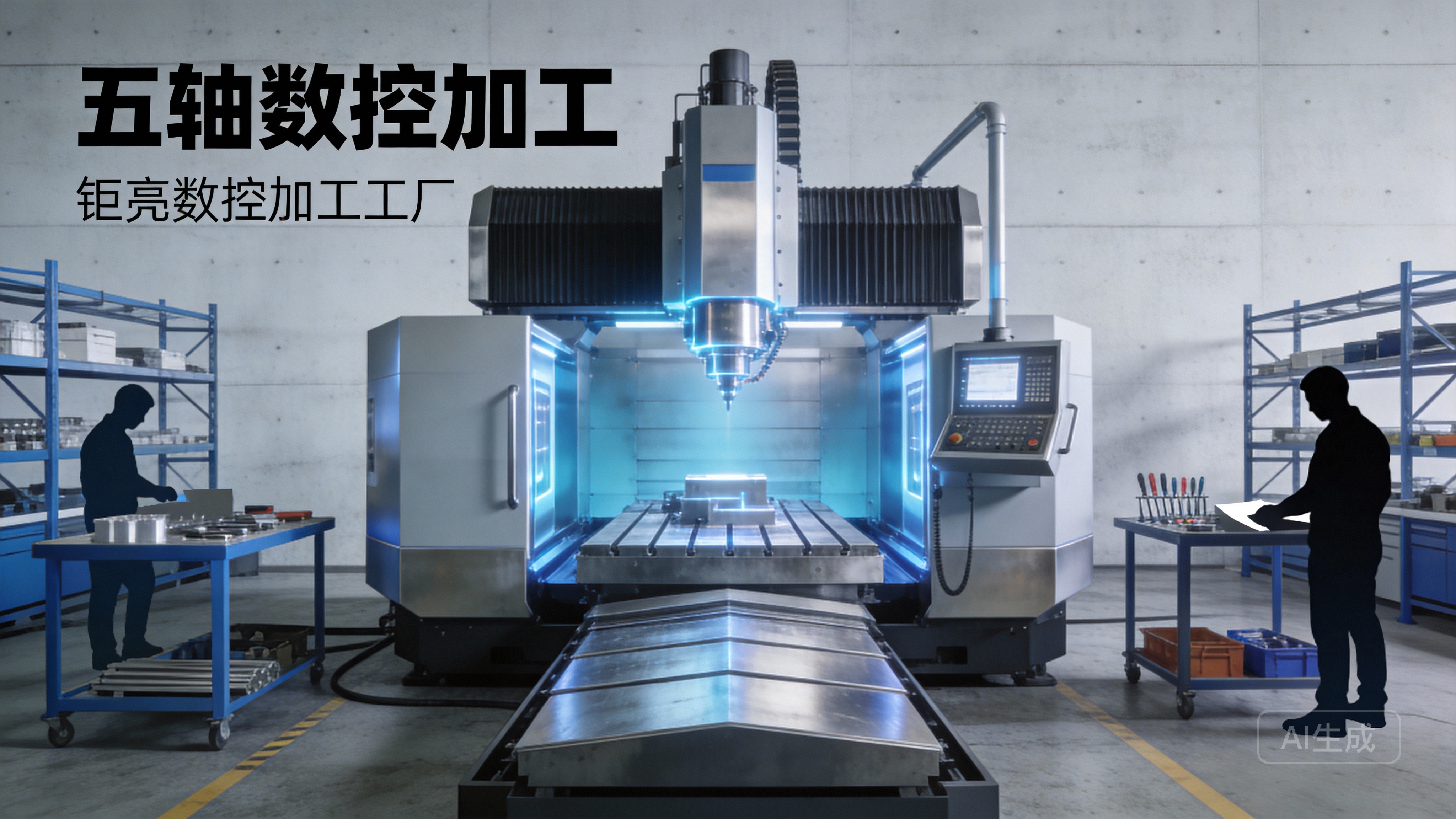
Manufacturers like GreatLight CNC Machining, with their 10+ year track record, comprehensive ISO certifications (including IATF 16949 and ISO 13485), and vertically integrated full-process ability, represent the gold standard for importers seeking a dependable partner. They do not just manufacture parts; they provide a secure bridge from your design to a successful product. By applying the evaluation framework outlined in this article, you can confidently choose the partner that will help you build a more resilient and innovative supply chain, ensuring your success in a competitive global marketplace.
Related Resources: To dive deeper into the technical capabilities of a leading full-process manufacturer, explore how advanced 5-axis machining centers and integrated manufacturing solutions can solve your most complex part challenges. For ongoing industry insights and updates on precision manufacturing best practices, follow GreatLight CNC Machining’s official LinkedIn page for thought leadership and case studies.


![[访谈] RAPID + TCT 2024:人工智能对 3D 打印的价值](https://print-ing.com/wp-content/uploads/2024/07/INTERVIEW-60x60.jpeg "[访谈] RAPID + TCT 2024:人工智能对 3D 打印的价值 9")




发表回复
要发表评论,您必须先登录。