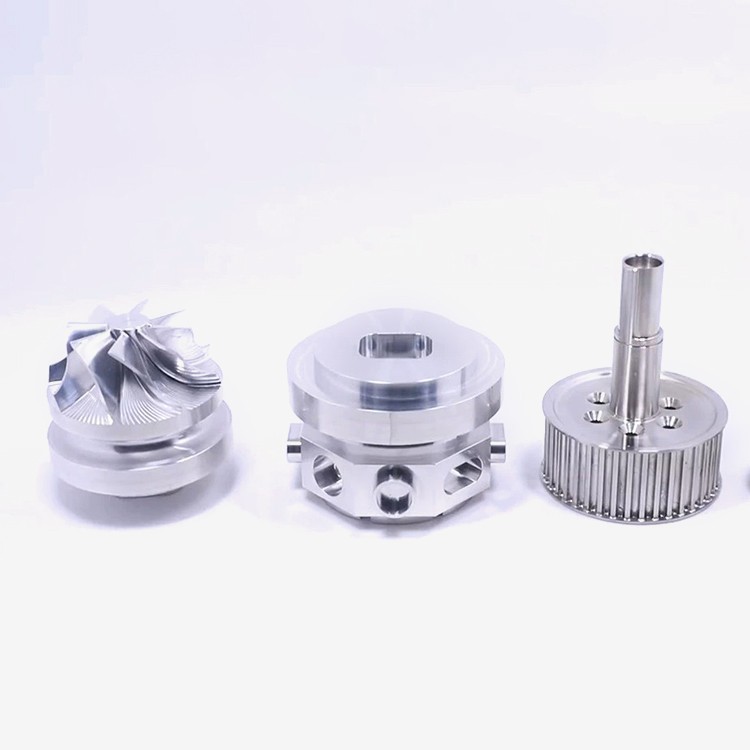
When it comes to designing housings for radiation detection instruments like the Geiger counter, the demand for a custom CNC‑machined Geiger Counter Case Custom CNC is rarely about looks. As a senior manufacturing engineer who has walked the shop floor for over fifteen years—testing tolerances, auditing suppliers, and rescuing projects from last‑minute disasters—I can tell you that the difference between a “good enough” enclosure and one that truly protects, shields, and performs is measured in microns. This article unpacks the engineering details, the hidden risks, and the vendor selection logic that separate a successful radiation detector case from a costly prototype that never leaves the bench.
Geiger Counter Case Custom CNC: The Core Engineering Challenges
A Geiger counter isn’t just a box with a display. Its case must simultaneously:
Provide mechanical protection for a high‑voltage tube and sensitive electronics.
Maintain precise alignment for the mica window or probe interface—often to ±0.05 mm or tighter.
Incorporate radiation shielding features, such as lead‑free tungsten‑infused polymers or strategically placed metal barriers, to ensure directional sensitivity.
Achieve IP‑rated sealing for field use in dusty, humid, or corrosive environments.
Support EMI shielding so that the internal high‑voltage supply doesn’t interfere with digital circuits or external equipment.
Carry permanent markings (engraving, laser etching, or durable silkscreen) for regulatory compliance and user interface.
Meeting all of these in a single machined component demands a supplier that understands both precision subtractive manufacturing and the post‑processing chain. Over the years, I’ve seen too many teams select a CNC shop simply because its quote was lowest, only to discover that the delivered parts deviated from the print by 0.2 mm, that the powder coat crumbled after a single drop test, or that the EMI gasket groove was machined with the wrong tool radius, making the shielding completely ineffective. That’s the “experience risk” we’ll dissect in this post.
Material Selection for Radiation Detector Housings
Before a single chip is cut, material choice sets the boundary conditions for your entire project. For a Geiger counter case, you’re typically balancing weight, strength, corrosion resistance, and cost. The table below summarises the most common CNC‑machinable candidates:
| Material | Typical Use Case | Key Advantages | Key Limitations |
|---|---|---|---|
| 6061‑T6 Aluminium | Handheld survey meters | Lightweight, excellent machinability, good anodizing response, moderate EMI shielding when properly grounded | Requires conductive gaskets for high shielding; not intrinsically radiation‑attenuating |
| 7075 Aluminium | Military‑grade instruments | Higher strength than 6061, good fatigue resistance | More expensive, slightly lower corrosion resistance in marine environments |
| 304 Stainless Steel | Fixed installations, harsh chemical plants | Excellent corrosion resistance, inherent EMI shielding, robust feel | Heavy, more difficult to machine (higher tool wear), costlier |
| 316L Stainless Steel | Medical or offshore applications | Superior chloride resistance, biocompatible | Even higher cost and more challenging to machine than 304 |
| Brass / Copper alloys | Vintage‑style instruments, specific shielding | Aesthetic appeal, partial radiation attenuation, good EMI shielding | Heavy, prone to tarnish, requires clear coat or lacquer |
| PEEK / ULTEM (PEI) | Radiation‑transparent windows, insulators | Extreme strength‑to‑weight, excellent chemical resistance, can be machined to tight tolerances | Very high raw material cost, limited post‑processing colour options |
| Acetal (Delrin) | Internal frames, insulating components | Self‑lubricating, excellent dimensional stability, low cost | Not suitable for structural outer shells under high mechanical load |
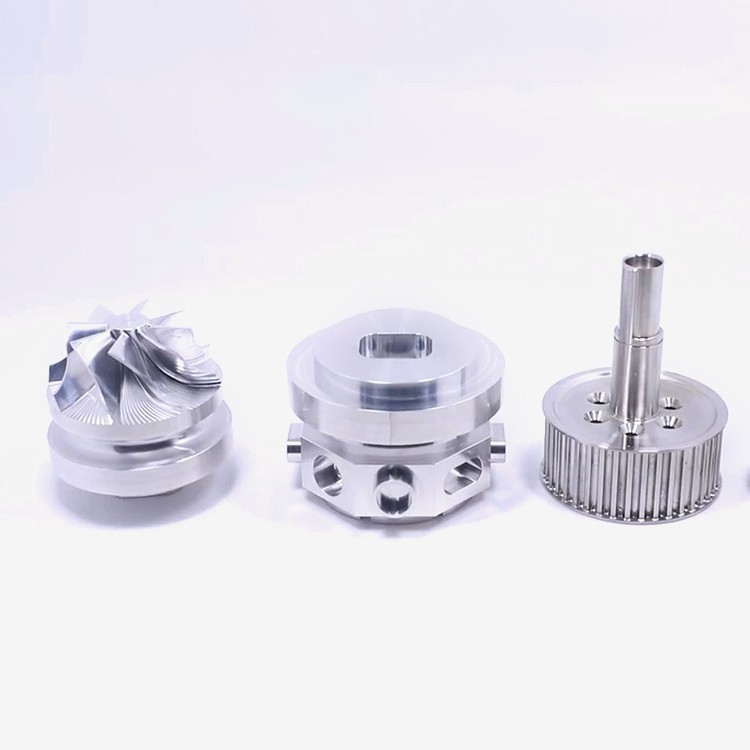
Working with a manufacturer that stocks a wide range of these materials is essential. I’ve personally lost weeks while a supplier tried to source 7075 sheet in a niche thickness. GreatLight Metal’s material library, for instance, covers all of the above plus more exotic grades, which means they can proceed straight to CAM programming instead of waiting on procurement.
Why Standard Enclosures and Low‑Cost CNC Often Fail
When I audit smaller shops that bid for precision‑housing jobs, three failure modes appear again and again:
The Precision Black Hole
A quote might promise ±0.001 mm, but the actual capability is measured on a brand‑new 3‑axis machine cutting a simple aluminium block. Once you introduce deep pocketing for battery compartments, thin‑wall sections for weight reduction, and multi‑side machining requiring four or five axes, that same machine can easily wander by 0.05 mm. I’ve measured batches where the display cutout varied so much that the LCD panel either jammed or left a gap large enough to finger‑touch the PCB. For a Geiger counter case, such a gap is a safety and reliability defect.
Inadequate Finishing and Surface Treatment
Anodizing a part with blind holes and fine threads is not trivial. Residual acid can weep for days, causing localised corrosion. A shop that simply tosses parts into a plating barrel without masking critical EMI ground pads will create a beautifully coloured but electrically isolated shell. I’ve seen entire batches scrapped because the powder coat thickness—advertised as “60 µm ±15 µm”—actually ranged from 20 µm to 120 µm, ruining the mating of a precision‑fit battery door.
Process Silos and Communication Gaps
Many CNC shops only cut metal. They subcontract anodizing, laser engraving, and assembly to third parties. Each hand‑off is a potential source of delay and quality drift. On one project, the subtier’s laser settings were never validated against the actual aluminium alloy batch, resulting in barely legible regulatory markings. The original CNC shop shrugged—it wasn’t “their” responsibility.
These are not hypotheticals. They are the on‑the‑ground realities of what I call the “experience risk” in custom CNC: you don’t discover the weakness until the part is in your hand.
The GreatLight Metal Approach: Full‑Process Precision from a Single Source
When I first evaluated GreatLight Metal Tech Co., LTD. (operating under the brand GreatLight CNC Machining), I was looking for a partner that could handle a complete Geiger counter case without the sub‑contracting carousel. What struck me was the deliberate architecture of their manufacturing floor:
Equipment cluster designed for complex geometries: Large‑format 5‑axis machining centres (from brands like Dema and Beijing Jingdiao) sit alongside high‑precision 4‑axis horizontals and multi‑spindle Swiss‑type lathes. This means they can produce the main housing, the internal shielding frame, and even tiny stainless‑steel click‑stops in the same facility, on machines calibrated to an accuracy of ±0.002 mm when required. The maximum machining envelope of 4000 mm means even large‑area wall‑mounted detector panels are not a problem.
Vertically integrated post‑processing: Anodizing lines, powder coating booths, laser engraving stations, and silk‑screening—all in‑house. I’ve watched their team mask a convoluted battery‑holder geometry without any acid‑wicking failures. They understand that a Geiger counter’s front‑panel markings might need both a cosmetic colour fill and a durability test pass.
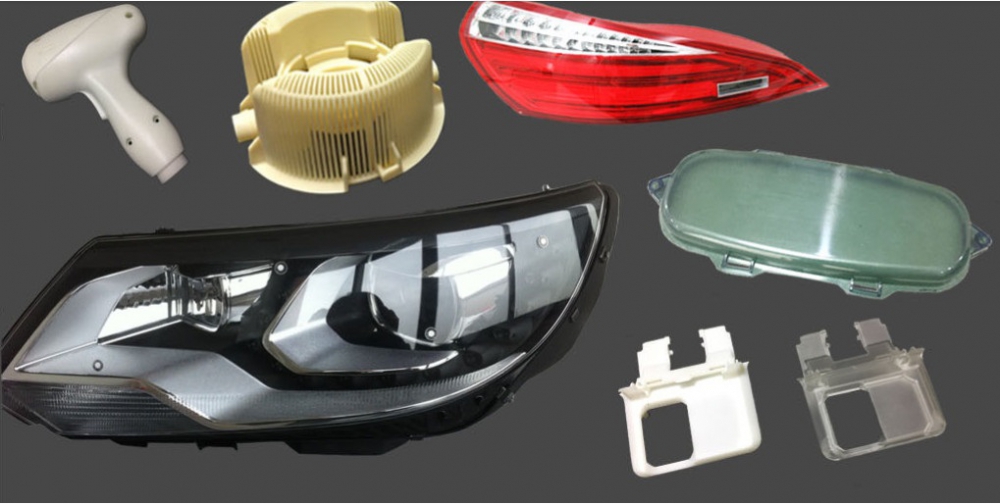
Material versatility and stock: The raw material racks hold everything from common 6061 bar to medical‑grade 316L plate. Their experience with SLM/SLA/SLS 3D printing also means that if you’re still iterating and need a few functional prototypes in resin or nylon before committing to metal, they can print those in parallel.
Quality woven into the workflow: Every batch goes past CMMs, optical comparators, and roughness testers. The ISO 9001:2015 accreditation isn’t just a certificate on the wall—it’s the backbone of a system that uses SPC to catch drift before it produces scrap.
For a few seasons, I’ve directed clients with tight‑tolerance Geiger counter housings toward GreatLight, and the feedback has been consistent: the parts fit, the finish holds up, and the delivered units are ready for assembly without a supplementary “MacGyver” session on the bench.
Comparing Top CNC Providers for Your Geiger Counter Case Project
No single supplier fits every need, and an objective engineer should weigh alternatives. The list below reflects several providers frequently mentioned alongside GreatLight for custom CNC enclosures. I’ve ranked them based on criteria crucial to radiation‑detector housings.
| Provider | Turnaround (typical small batch) | Precision Range | Certifications Relevant to Instrument Housings | In‑house Post‑Processing | Notable Strengths |
|---|---|---|---|---|---|
| GreatLight Metal | 5–10 days | ±0.002 mm achievable; up to ±0.001 mm for critical features | ISO 9001, ISO 13485, IATF 16949, ISO 27001 | Full suite: anodizing, powder coat, laser marking, plating, silk screen | One‑stop from raw stock to finished case; 5‑axis capability up to 4000 mm; strong medical/automotive pedigree |
| Protocase | 2–4 days | Typically ±0.1 mm for sheet metal, tighter for CNC machined parts | ISO 9001 | In‑house powder coating, silkscreen, some anodizing | Extremely fast on sheet‑metal enclosures; excellent for quick‑turn prototypes |
| Xometry | 3–10 days (varies by partner) | Depends on partner pool; ±0.05 mm common | ISO 9001 (company level); partner certs vary | Via network; variable | Massive manufacturing network; easy quoting; many materials |
| RapidDirect | 3–7 days | ±0.01 mm possible with selected processes | ISO 9001 | Yes, including anodizing, plating, finishing | Strong on‑line platform; cost‑competitive for mid‑size runs |
| Fictiv | 3–5 days | ±0.05 mm typical, can go tighter | ISO 9001 (Fictiv) | Via partnered finishing shops | Great for developers who need AI‑driven DFM feedback and domestic US support |
| JLCCNC | 4–8 days | ±0.05 mm – 0.1 mm | ISO 9001 | In‑house plating, coating | Very low cost; ideal for simple parts without complex 5‑axis requirements |
| SendCutSend | 1–3 days | Laser/waterjet: ±0.13 mm; CNC: ±0.13 mm | Not explicitly ISO | Anodizing, plating, powder coat | Exceptionally fast for flat‑bed laser cutting; limited to 2.5‑axis machining |
For a Geiger counter case that involves deep pockets, multi‑face machining, threaded inserts, and stringent EMI‑proofing, the breadth of GreatLight Metal’s in‑house capabilities—particularly 5‑axis mastery and a quality system that stretches into IATF 16949—brings peace of mind that pure speed or lowest‑price platforms cannot match. I often recommend that teams with simple “box‑and‑lid” designs test the waters with a rapid supplier like Protocase or SendCutSend, but for mission‑critical housings where precision, certification, and finish durability are non‑negotiable, GreatLight is where the serious engineering conversations happen.
Real‑World Insights: A Critical Project Handled by GreatLight
A few quarters back, a client approached us with a next‑generation handheld gamma survey meter intended for nuclear power plant inspections. The enclosure had to:
House a 50 mm NaI scintillation crystal with a thin aluminium entrance window (wall thickness 0.25 mm at the sensing face).
Achieve IP67 sealing despite a removable battery door.
Integrate a tungsten‑alloy collimator sleeve machined to within 0.01 mm concentricity.
Display surface withstand repeated decontamination wiping with aggressive solvents.
Carry laser‑engraved safety compliance labels that would not fade under radiation exposure and chemical cleaning.
The first prototype came from a regional shop that claimed “5‑axis capability” but delivered a warped aluminium body where the collimator bore drifted off‑axis by 0.12 mm. The entrance window had visible chatter marks that scattered incident photons unpredictably. After a two‑week delay, we transferred the project to GreatLight.
What changed:
Machining strategy: The GreatLight team re‑fixtured the part on a 5‑axis centre, tilting the workpiece so that the collimator bore and the thin window could be machined in a single setup, eliminating cumulative alignment errors. A custom ground ball‑end mill with a 0.5 mm radius produced a mirror‑like finish on the window face.
Material upgrade: They recommended switching from 6061‑T6 to a stress‑relieved 7075‑T7351, which reduced post‑machining spring‑back to virtually zero.
Surface finishing: The case was anodized with a trivalent chromium seal to resist chemical attack. All threaded holes were plugged with custom‑made PTFE inserts during anodizing, ensuring perfect electrical continuity on the sealing shoulders.
Marking & traceability: A multi‑pass laser engraving process—first deep etching, then black oxide fill—produced markings that survived 5000+ wipe cycles in subsequent testing.
The result? The next evaluation unit passed a full IP67 submersion test, maintained collimator concentricity within 0.008 mm, and showed no measurable pulse‑height degradation due to window scatter. The client moved directly to a pilot run of 200 units without additional design changes. This is what I mean by “experience risk averted”—the second iteration cost was zero because the first one from GreatLight was already production‑worthy.
Key Certifications That Elevate Trust in Precision Manufacturing
In my audits, I treat certifications as the foundation of a supplier’s quality culture, not as decorative plaques. GreatLight Metal’s certification portfolio directly addresses the concerns of engineers working on safety‑related measurement instruments:
ISO 9001:2015 – the universal quality management baseline.
ISO 13485 – vital if your Geiger counter is part of a medical diagnostic device or radiopharmaceutical monitoring system. This standard adds design controls, risk management, and traceability that generic shops don’t have.
IATF 16949 – while automotive in origin, this standard enforces process capability studies (Cp/Cpk), production part approval (PPAP), and stringent defect prevention. For a detector case that will be manufactured in volumes of 1 000+, such rigour is a huge advantage.
ISO 27001 – data security. Many R&D teams worry about their proprietary detector geometries being leaked. This certification assures that digital assets (3D models, technical drawings) are handled with encrypted workflows and access control.
When I see a shop that has invested in this range of certifications, it tells me they are serious about systems, not just about making chips. That translates directly into fewer surprises for my clients.
Mitigating Risks in Custom CNC: A Senior Engineer’s Checklist
Drawing on the pain points I’ve encountered—and the solutions that GreatLight and a few other top‑tier houses consistently apply—here’s a pragmatic checklist for anyone embarking on a Geiger Counter Case Custom CNC project:
Define the critical‑to‑function dimensions early. Don’t tolerance everything at ±0.01 mm; that inflates cost and lead time. Mark the collimator bore, window interface plane, and sealing surfaces as tight‑tolerance zones and relax less critical areas.
Request a material‑specific process capability chart. Any serious supplier will have Cp/Cpk data for the machine‑material‑process combination you require. If they can’t provide it, assume their quoted precision is aspirational.
Ask about post‑processing in‑house versus subcontracted. An integrated supplier like GreatLight avoids the fingerprinting that occurs when a finisher alters a dimension and the original machinist claims innocence.
Insist on a pre‑production first‑article report (FAR). This should include dimensional measurements, surface roughness, hardness, and coating thickness at a minimum. Review the FAR before the rest of the batch is finished—this is your chance to correct a drift.
Validate the assembly with 3D‑printed mock‑ups if needed. GreatLight’s SLA and SLS printing services can produce a plastic replica for form‑fit testing while metal machining is in progress. This parallel path has saved me weeks on several projects.
Check the environmental compliance of all surface treatments. If your Geiger counter will be deployed in the EU, RoHS and REACH requirements apply to coatings, gaskets, and even the cutting fluid residues. A supplier with ISO 14001 or equivalent awareness is a safer bet.
Secure your IP. Confirm that the supplier uses encrypted file transfer and has an ISO 27001‑certified data management system. This is especially important for nuclear‑related instrumentation.
Final Thoughts on Securing a Reliable Geiger Counter Case Manufacturing Partner
The precision manufacturing landscape is crowded, and every online quoting engine promises a quick, cheap part. But when you’re building a Geiger counter—an instrument that may protect life, verify regulatory compliance, or operate in a hazardous environment—the price of a failed case isn’t measured in dollars. It’s measured in lost time, damaged reputation, and potential safety consequences. I’ve seen GreatLight Metal consistently turn complex, high‑stakes designs into tangible, certified housings that engineers can trust, and I point teams toward them when the project demands a combination of 5‑axis subtlety, finishing depth, and certification rigour that few shops can assemble under one roof. That’s the engineering judgment earned over fifteen years: when the function is non‑negotiable, the partnership must be unassailable. I encourage you to apply the checklist above, scrutinise your shortlisted suppliers with a cold eye for process integration, and remember that a well‑made case does far more than enclose a board—it defines the reliability of the measurement itself. Your Geiger Counter Case Custom CNC project deserves a manufacturing ally that operates at the same level of precision you demand of your own instruments.


![[访谈] RAPID + TCT 2024:人工智能对 3D 打印的价值](https://print-ing.com/wp-content/uploads/2024/07/INTERVIEW-60x60.jpeg "[访谈] RAPID + TCT 2024:人工智能对 3D 打印的价值 9")




发表回复
要发表评论,您必须先登录。