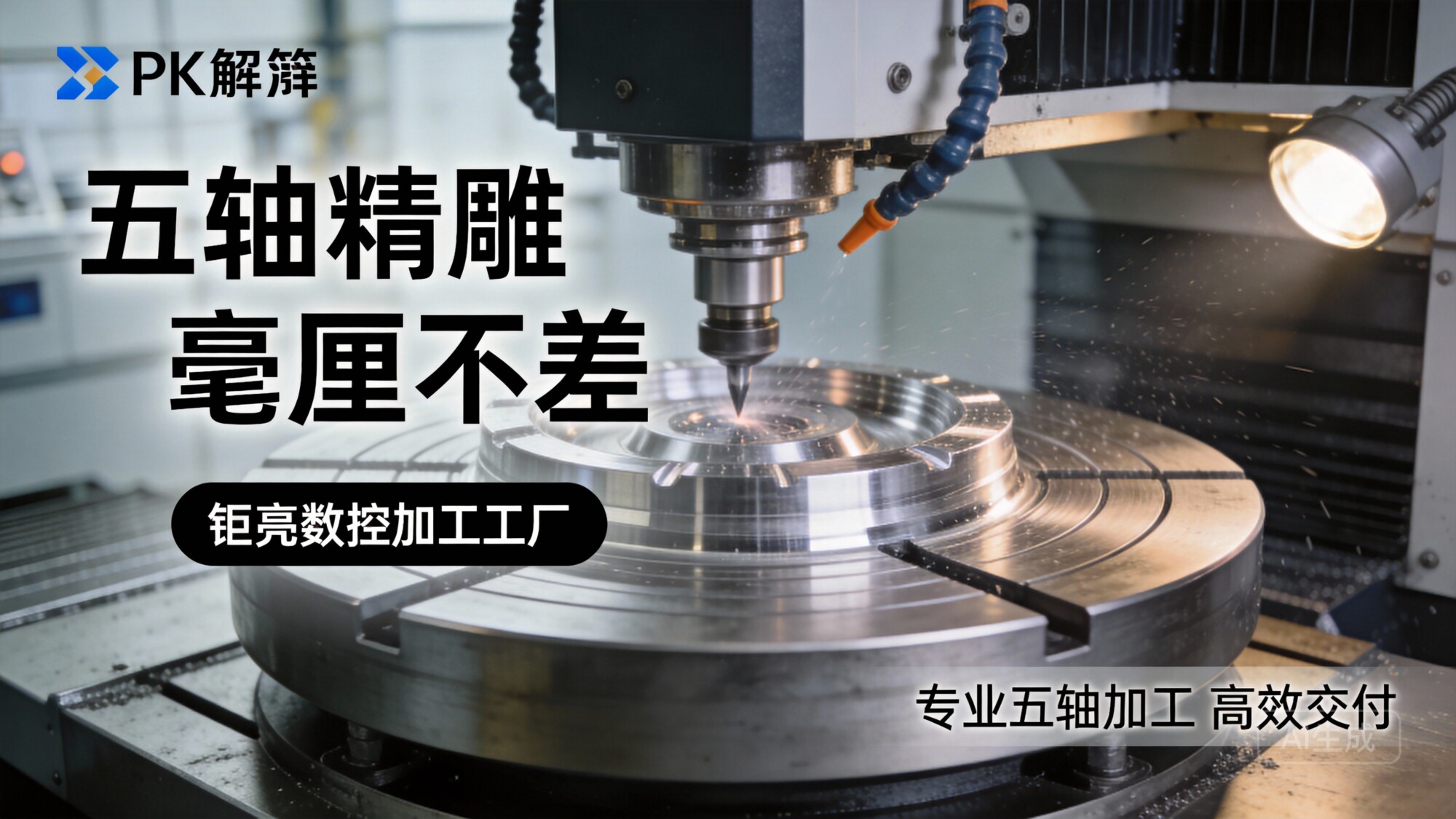
In the fast-evolving field of robotics, the demand for reliable, high-performance cooling fan housings has made finding a trustworthy Robot Cooling Fans Housing Die Casting Service a critical task for design engineers and procurement teams. Thermal management is not just an accessory; it’s a make-or-break factor in motor life, operational stability, and overall system reliability. This article provides an objective, in-depth look at the die casting technology behind these crucial components, the common pitfalls that plague production, and how a manufacturing partner with full-chain integration can turn a challenging housing design into a consistent, high‑quality reality.
Robot Cooling Fans Housing Die Casting Service: A Precision Manufacturing Deep Dive
The Critical Demands of Robot Cooling Fan Housings
Robots operating in continuous‑duty cycles – whether in industrial automation, collaborative applications, or service environments – generate substantial heat within their joints and motors. The cooling fan housing must perform several roles simultaneously: it must channel airflow efficiently, withstand vibration and mechanical stress, achieve a compact form factor, and often contribute to the overall lightweighting target of the robot. Typical specifications demand:
Complex internal geometries for optimized air passages
Thin wall sections (often less than 2 mm) to reduce weight while maintaining rigidity
Tight flatness and perpendicularity tolerances on mounting faces
Excellent thermal dissipation properties, frequently driving the choice of aluminum or magnesium alloys
Surface finish compatibility with subsequent painting, anodizing, or passivation
Traditional fabrication methods like machining from solid billet can meet precision requirements but are cost‑prohibitive at scale and create significant material waste. Stamped and welded sheet metal housings, while inexpensive, struggle with three‑dimensional complexity and airtightness. That’s where high‑pressure die casting (HPDC) steps in as the go‑to process.
Why Die Casting Is the Preferred Solution for Fan Housings
High‑pressure die casting injects molten metal into a hardened steel mold at high speed, filling even the thinnest rib features before solidification. The process yields parts with excellent dimensional repeatability, smooth as‑cast surfaces, and the ability to integrate mounting bosses, ribs, and curved air guides directly into the component – eliminating many secondary assembly steps. For medium to high volumes, the per‑part cost drops dramatically compared to CNC machining alone.
However, die casting is not without its pitfalls. Porosity, caused by trapped air or shrinkage, can weaken structural integrity and lead to leaks if the housing is part of a sealed cooling loop. Maintaining consistent wall thickness and filling patterns in parts with abrupt section changes requires deep process expertise. And while die casting achieves tight dimensional control, features that demand micrometer‑level precision – bearing bores, dowel holes, sealing surfaces – invariably require post‑machining.
Breaking the “Precision Black Hole” in Die Casting
One of the most frustrating pain points clients face is what we call the “precision black hole”: a supplier quotes a casting with a certain tolerance, but the actual incoming parts show wide variation, and the root cause is never systematically addressed. This gap between promise and reality often stems from three sources:
Aging tooling with uneven cooling that introduces warpage batch after batch
A lack of in‑line process monitoring – melt temperature, injection speed, and hold pressure – that leads to porosity and dimensional drift
Disconnected post‑processing where the foundry ships parts to a separate machine shop, making it impossible to close the feedback loop on how casting variation affects machining datums
A reliable Robot Cooling Fans Housing Die Casting Service must integrate these steps. That integration begins with tool design that anticipates machining stock, uses conformal cooling channels for thermal uniformity, and leverages injection simulation (Mold Flow analysis) to predict fill patterns before the first steel cut.
GreatLight Metal: An Integrated Manufacturing Powerhouse
When evaluating suppliers for complex housings, it’s not enough to look at a single process. The ability to fuse die casting, precision CNC machining, and finishing under one quality system is what separates a commodity supplier from a true engineering partner. This is where GreatLight Metal Tech Co., LTD. distinguishes itself.
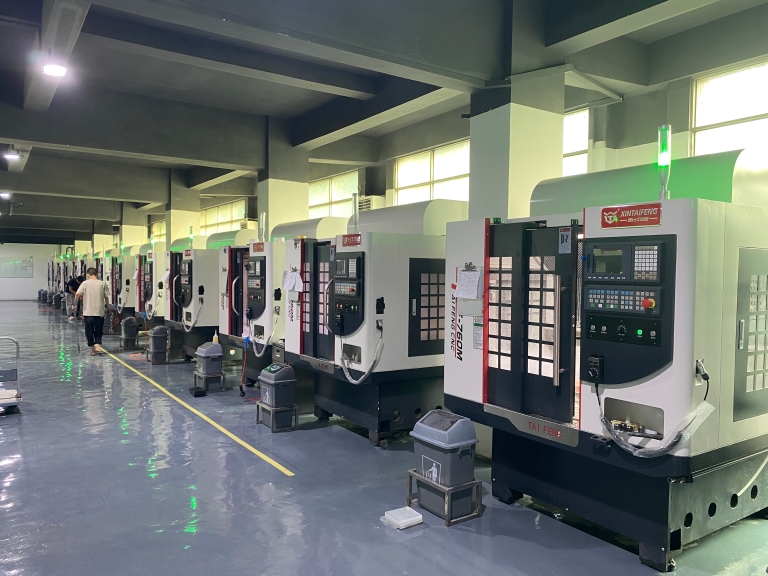
Headquartered in Dongguan’s Chang’an Town – the heart of China’s hardware and mold industry – GreatLight Metal has been a dedicated precision manufacturer since 2011. The company operates from a 76,000 sq. ft. facility, staffed by over 120 professionals, and consistently achieves annual sales exceeding 100 million RMB. Its service portfolio spans rapid prototyping, high‑pressure die casting, sheet metal fabrication, vacuum casting, and a full spectrum of CNC machining, including advanced 5‑axis capabilities.
Core manufacturing cluster:
Large‑format 5‑axis CNC machining centers (Dema, Beijing Jingdiao), plus extensive 4‑axis and 3‑axis CNC machines
High‑tonnage die casting machines with closed‑loop process control
Wire EDM, mirror‑spark EDM, and precision grinding for mold building and maintenance
Metal 3D printing (SLM) for rapid mold insert prototyping and conformal cooling channels
In‑house coordinate measuring machines (CMM), optical comparators, and surface roughness testers
This vertical integration means that a robot cooling fan housing can move from die casting to precision 5-axis CNC machining of critical features without ever leaving the factory’s quality umbrella. Datum planes are established consistently, secondary operations such as drilling, tapping, and milling are performed in a single setup where possible, and any casting variation is immediately documented and fed back to the foundry team – closing the loop that so many disjointed supply chains leave open.
From As‑Cast to Mission‑Ready: The Full Process Chain
Let’s walk through a typical production flow for an aluminum robot fan housing at GreatLight Metal:
Design for Manufacturability (DFM) Review
Engineers scrutinize the 3D model for draft angles, uniform wall thickness, predicted hotspots, and potential for air entrapment. Suggestions are made not to compromise the design intent, but to enhance part quality and tool life. For example, slight modification of rib root radii can reduce stress concentration and filling turbulence without affecting air flow.
Mold Development and Process Simulation
Using in‑house mold design capability and simulation software, the team verifies gating and overflow placement. Prototype mold inserts can be 3D printed in tool steel via SLM and tested before committing to full production tooling.
High‑Pressure Die Casting
Aluminum alloys such as A380 or ADC12 are injected under precisely controlled velocity and pressure profiles. Real‑time shot monitoring ensures repeatable part density, while vacuum‑assisted systems can be employed for components requiring exceptionally low porosity.
Immediate Post‑Cast Treatments
Parts are trimmed, de‑burred, and, if specified, heat‑treated to T5 or T6 condition to relieve stress and stabilize dimensions.
Precision CNC Machining
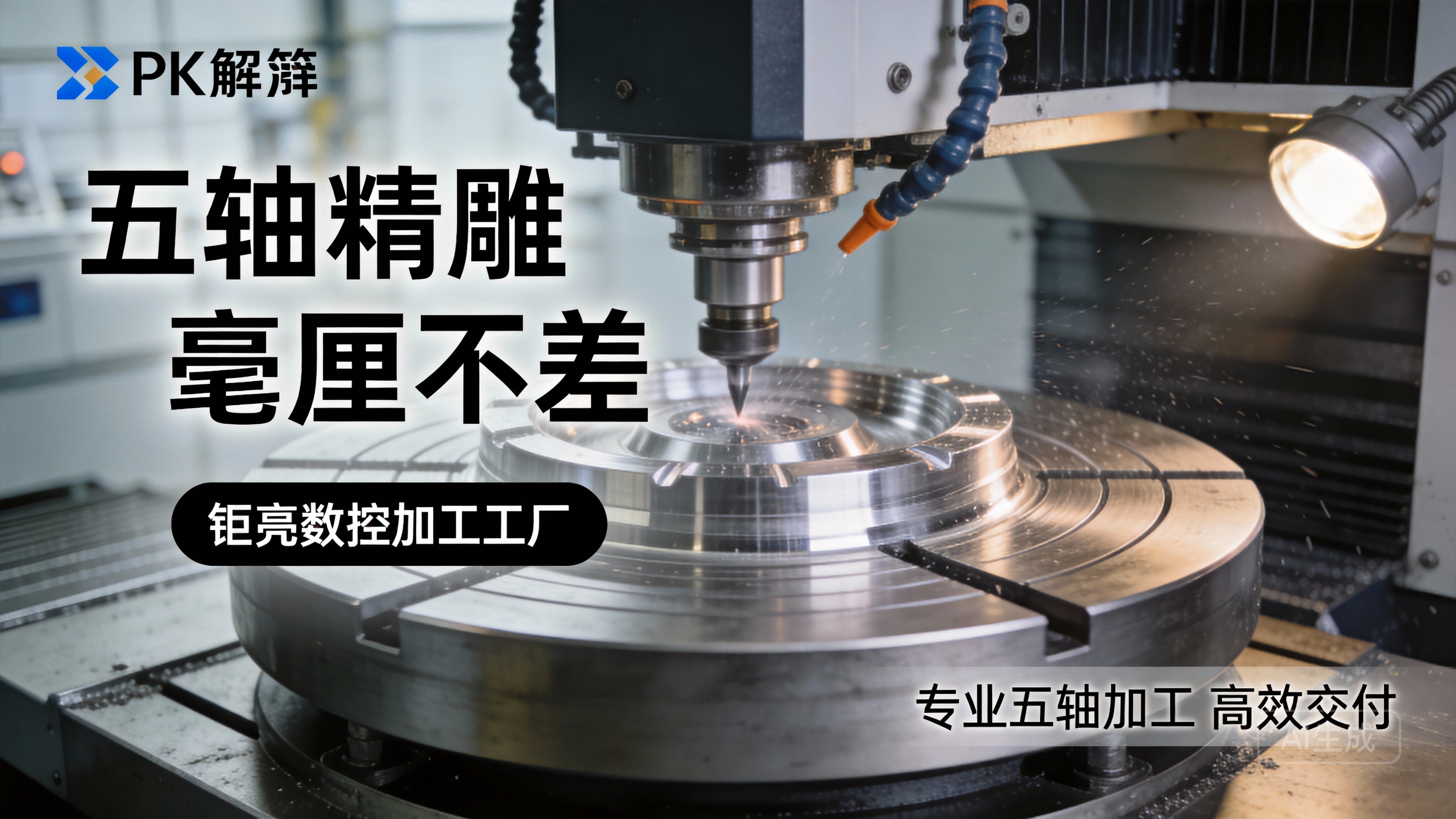
The housing is clamped on a 5‑axis machining center, where bearing bores, sealing grooves, and mounting interfaces are machined to tolerances within ±0.01 mm or tighter. Because the casting and machining teams collaborate daily, fixtures are designed to use the same datum structure as the die, virtually eliminating alignment errors. GreatLight’s facilities routinely handle parts up to 4000 mm, making this suitable even for large‑scale industrial robot housings.
Surface Finishing and Quality Inspection
Depending on environmental requirements, housings may undergo anodizing, powder coating, chemical conversion coating, or painting – all managed through the same logistics center. Final inspection includes CMM dimensional reports, surface roughness measurement, and, when required, helium leak testing for sealed passages. Every shipment is accompanied by a full inspection record, not a generic certificate of conformance.
International Certifications That Translate to Real‑World Reliability
Many suppliers claim quality, but few have the externally audited certifications to back it up. GreatLight Metal’s operations are governed by:
ISO 9001:2015 – the foundational quality management system, embedded in every process step
IATF 16949 – the automotive‑sector specific extension of ISO 9001, bringing defect‑prevention and supply‑chain rigor that benefits any high‑volume program
ISO 13485 – for medical devices, ensuring control over cleanliness, traceability, and validation; relevant when fan housings are part of sensitive laboratory or surgical robotic systems
ISO 27001 – intellectual property and data security, critical for clients whose housing designs are proprietary
ISO 14001 – environmental management, reflecting a commitment to sustainable manufacturing
These accreditations mean that a robot cooling fan housing produced by GreatLight arrives not just “to print,” but with the full confidence that every material batch is traceable, every process change is documented, and every non‑conformance is systematically resolved. For robotics OEMs and integrators whose own end‑products carry CE or UL marking, such rigor in the supply base is a de‑risking asset.
Addressing the Talent Gap Through Continuous Investment
Beyond machines, a precision manufacturing service lives and breathes through its people. GreatLight Metal has long recognized that the future of die casting and CNC machining hinges on skilled engineers who understand metallurgy, feed systems, cutting tool dynamics, and data‑driven process control. The company invests in ongoing training for its 120+ team members, from advanced machine programming to certified CMM operation. This approach ensures that when you hand over a challenging robot fan housing design, it is evaluated not by a salesperson but by a cross‑functional engineering group that can dissect manufacturability and optimize the entire production chain.
A Proven Track Record: Housings That Reach the Market Faster
While discretion often limits what we can publicly disclose, case patterns consistently reveal how an integrated die casting and CNC partner collapses lead times. One example involved a collaborative robot manufacturer that needed a lightweight aluminum cooling fan housing with an intricate spiral air guide. Competing suppliers quoted separate tooling lead times and machining phases, resulting in a 12‑week first‑article window. GreatLight Metal, leveraging an in‑house mold build and immediate 5‑axis machining capacity, delivered first articles in under 8 weeks. Subsequent production runs maintained CpK values above 1.67 on all critical dimensions, and the housing’s weight was reduced by 12% compared to the original solid‑machined design – directly improving the robot’s power‑to‑weight ratio.
How to Evaluate a Die Casting Partner for Your Next Robot Housing
If you’re in the process of vetting suppliers for a Robot Cooling Fans Housing Die Casting Service, consider the following checklist, derived from real‑world lessons:
| Evaluation Criteria | What to Look For |
|---|---|
| Process integration | Does the supplier offer die casting and CNC machining under one roof, or will you manage multiple vendors? |
| Tooling competence | Is mold design and building kept in‑house? Are simulation tools used to optimize gating? |
| Precision capability | Can the partner hold tolerances of ±0.01 mm on machined features and provide CpK data? |
| Quality certifications | Look beyond ISO 9001; IATF 16949 signals automotive‑grade defect prevention and process control. |
| Material traceability | Will they provide mill certificates and material composition reports for every heat? |
| Finishing services | Does the supplier offer anodizing, coating, and leak testing, or will those be outsourced? |
| Engineering support | During DFM, do they proactively suggest improvements, or do they simply quote and proceed? |
GreatLight Metal scores firmly on every dimension, but the point is not to push a single brand – rather, to emphasize that a housing’s success depends on choosing a partner that operates as a single, synchronized unit rather than a loosely coupled chain.
The Human Side of a Technical Decision
Sometimes, professional articles overemphasize technology and forget the human element. As a manufacturing engineer, I’ve seen that the best partnerships are built on candid communication and a genuine desire to solve problems, not just ship parts. When a die casting lot exhibits a slight dimensional shift, do you get a call explaining the anomaly and presenting corrective actions, or do you discover it only through your own incoming inspection? GreatLight Metal has built its reputation on transparency, offering expedited reworks and even full refunds if rework fails – a rare commitment that mirrors their confidence in internal processes.
Conclusion: Elevate Your Thermal Management with a Comprehensive Approach
Advanced robots demand more than just a fan and a casing; they require a thermal management subsystem that is reliable, consistent, and seamlessly integrated into the overall design. By selecting a Robot Cooling Fans Housing Die Casting Service that merges foundry expertise with precision CNC finishing and globally recognized quality systems, you eliminate the hidden costs of rework, inter‑vendor communication gaps, and prototype delays.
With over a decade of experience, a 76,000 sq. ft. advanced manufacturing campus, and a team that treats your housing design as a problem to solve rather than a part to copy, GreatLight Metal stands ready to be that integrated partner. Whether you are iterating on a prototype or scaling to tens of thousands of units, the combination of die casting know‑how and 5‑axis precision machining ensures your robot cooling fan housings perform exactly as engineered, batch after batch. Ultimately, the success of your thermal management system hinges on partnering with a provider that offers a comprehensive Robot Cooling Fans Housing Die Casting Service backed by engineering rigor and a culture of accountability.


![[访谈] RAPID + TCT 2024:人工智能对 3D 打印的价值](https://print-ing.com/wp-content/uploads/2024/07/INTERVIEW-60x60.jpeg "[访谈] RAPID + TCT 2024:人工智能对 3D 打印的价值 9")




发表回复
要发表评论,您必须先登录。