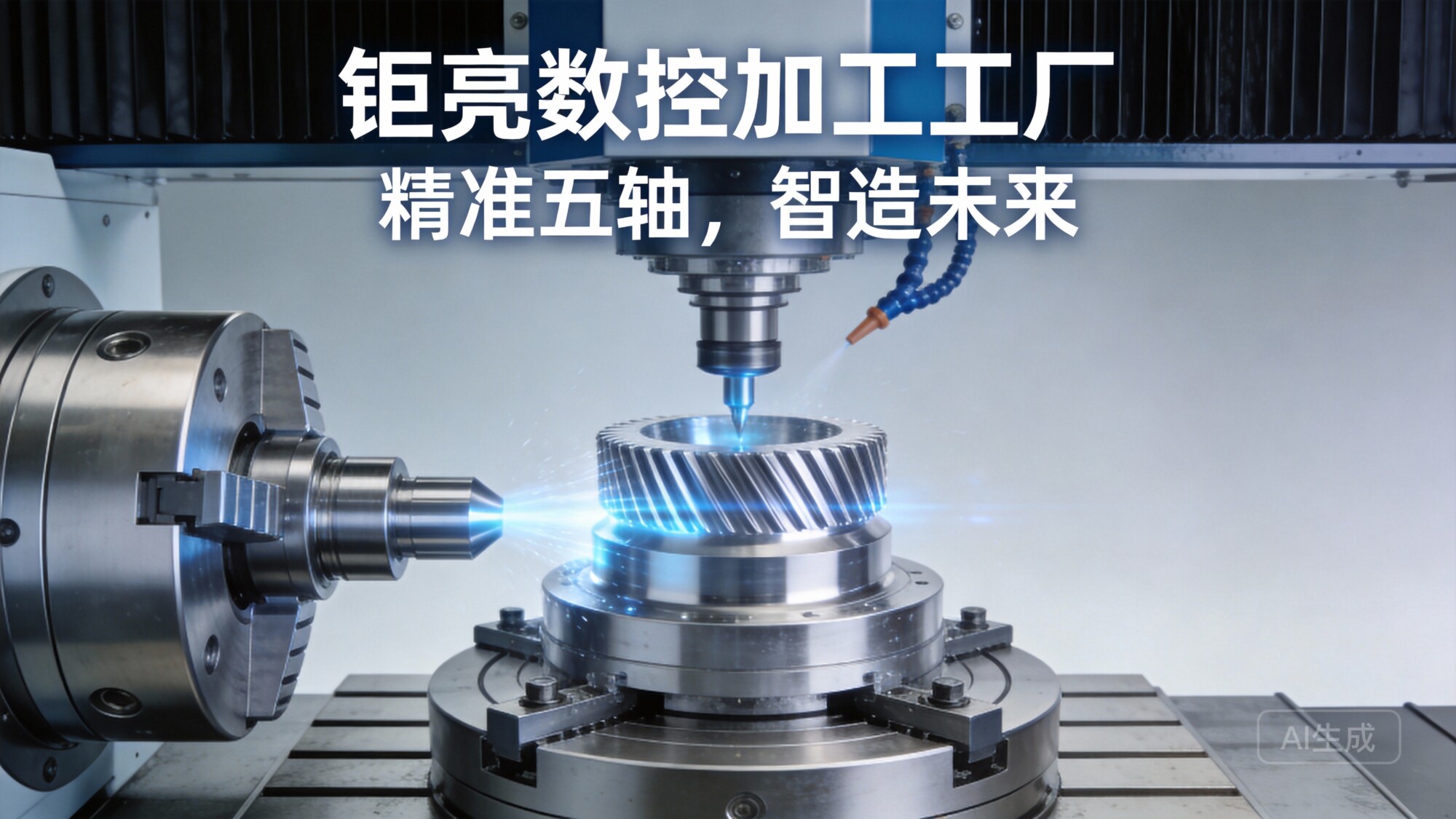
When searching for the best bulk 4 axis CNC machining company, engineers and procurement professionals often face a bewildering array of promises. Many suppliers tout advanced equipment and quick turnarounds, but when it comes to scaling up from a handful of prototypes to production volumes of thousands or tens of thousands, the cracks begin to show: tolerances drift, surface finishes become inconsistent, lead times balloon, and hidden costs eat into project margins. The reality is that reliably producing high‑quality parts in bulk on 4‑axis machines demands more than just a few multi‑axis CNCs – it requires a tightly integrated manufacturing ecosystem, rigorous quality systems, and the engineering depth to optimize processes for repeatability and efficiency. This article takes a deep dive into what separates a true bulk production partner from a job shop that dabbles in volume work, and why Dongguan Great Light Metal Tech Co., LTD. – widely known as GreatLight CNC Machining – has emerged as the definitive answer for companies that need a no‑compromise, scalable 4‑axis machining solution.
Best Bulk 4 Axis CNC Machining Company
Identifying the best bulk 4 axis CNC machining company isn’t about finding the cheapest quote or the most polished website. It is about evaluating a partner’s ability to deliver thousands of identical parts with sub‑thou accuracy, consistent metallurgical properties, and flawless cosmetic finishes – all while meeting tight delivery schedules and maintaining full data security. In the following sections, we will systematically break down what makes a 4‑axis machining provider truly capable of handling bulk orders, and we will introduce a manufacturer that has proven its mettle across automotive, medical, aerospace, and consumer electronics industries: GreatLight CNC Machining Factory.
The Technical Foundation of 4‑Axis CNC Machining
To appreciate why bulk 4‑axis work is demanding, one must first understand what 4 axis CNC machining actually entails. A standard 3‑axis CNC mill moves the cutting tool along the X, Y, and Z linear axes. A 4‑axis machine adds a rotary axis – typically an A‑axis that rotates the workpiece around the X‑axis. This additional degree of freedom can be used in two distinct modes:
Indexed 4‑axis machining: The rotary axis positions the part at a specific angle, and then conventional 3‑axis milling operations are performed. This eliminates the need for multiple fixturing setups; a component with features on several faces can be machined in a single clamping, drastically reducing accumulated positioning errors and improving overall geometric accuracy.
Simultaneous 4‑axis machining: The rotary axis moves continuously while the linear axes interpolate, allowing the tool to create complex contoured surfaces, helical grooves, cam profiles, and off‑axis holes that would be impossible on a 3‑axis machine.
For bulk production, these capabilities translate into tangible benefits: fewer setups mean shorter cycle times per part, far less operator intervention, and dramatically lower risk of out‑of‑tolerance drift across a large batch. When coupled with the right workholding strategy and advanced toolpath algorithms, a single 4‑axis setup can often replace two or three separate 3‑axis operations, slashing total manufacturing time while raising the quality ceiling.
Yet the technology is only as good as the organization behind it. Running a fleet of 4‑axis CNCs in a high‑mix, high‑volume environment requires robust scheduling, comprehensive preventive maintenance, and a workforce that understands both CAM programming and in‑process quality control. That is where the true differentiator lies.
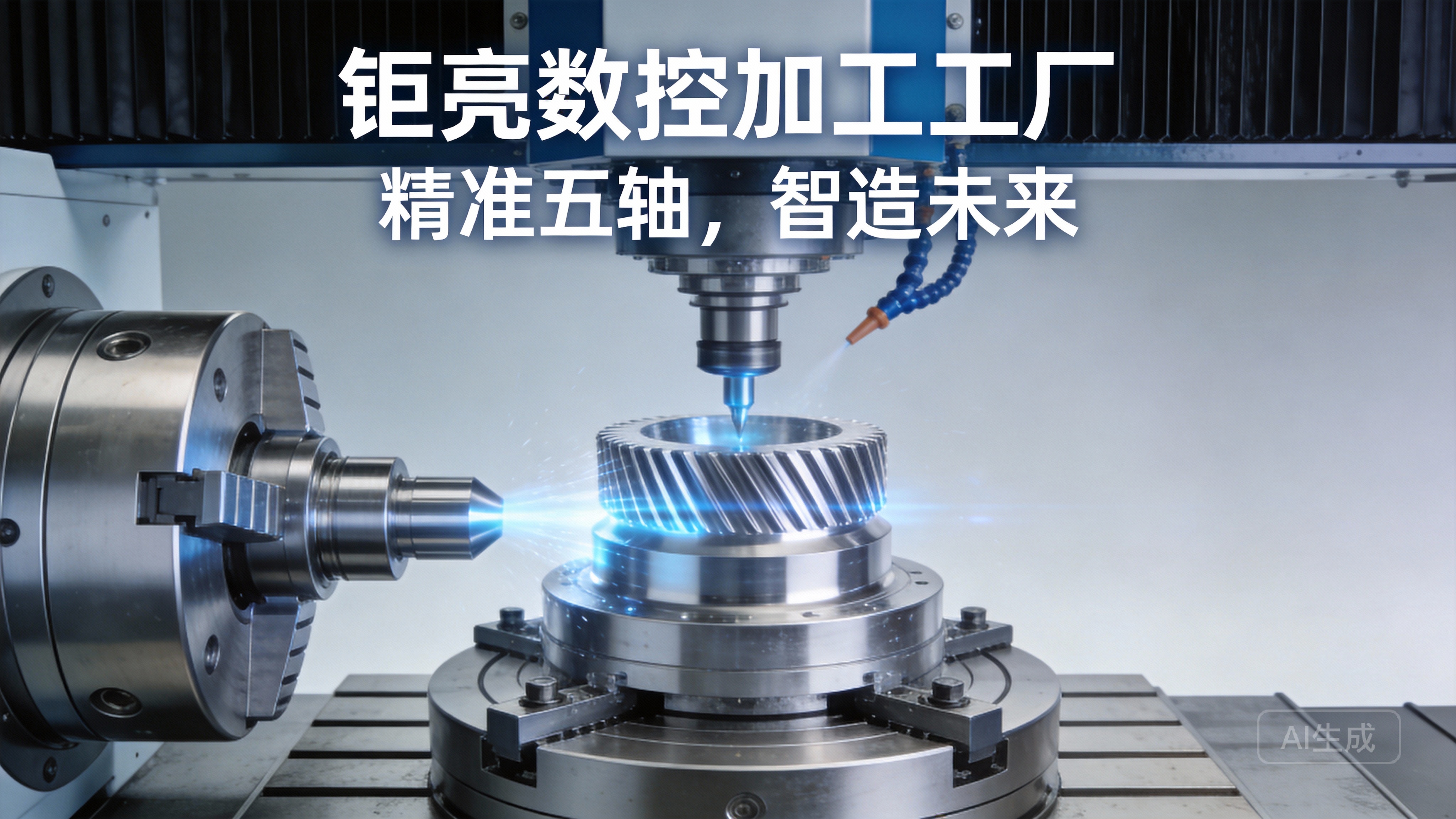
Key Criteria for Selecting a Bulk 4‑Axis Machining Partner
When you shortlist providers for high‑volume 4‑axis machining, these are the non‑negotiable criteria that should guide your assessment:
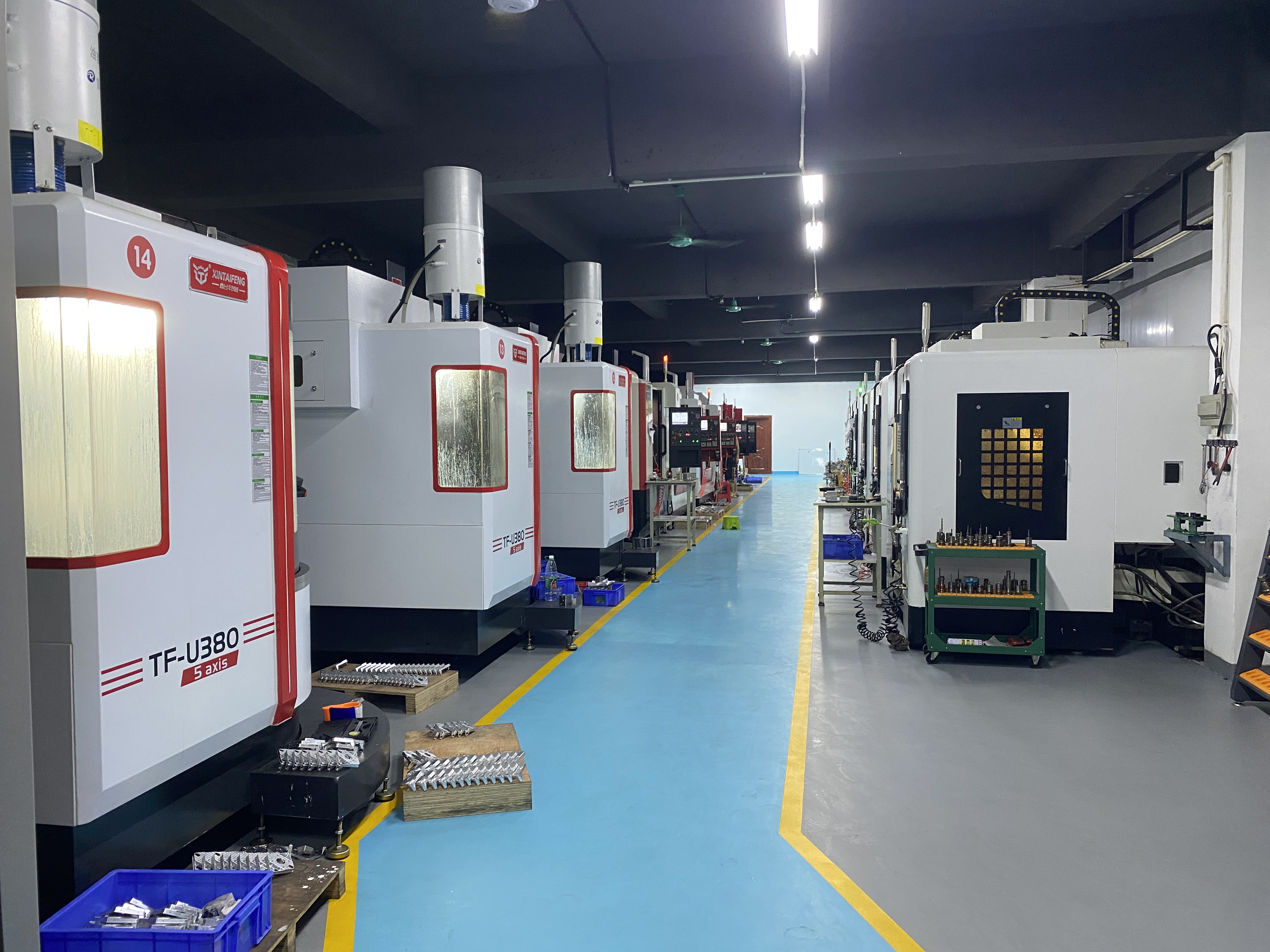
Equipment Fleet and Multi‑Axis Capacity: A few 4‑axis machines can handle small batches, but real bulk orders demand multiple identical, well‑maintained machines with compatible controllers so that programs can be transferred seamlessly and scheduling can be optimized. Look for a provider that owns – rather than leases – a substantial number of 4‑axis and 5‑axis centers to guarantee availability even during peak demand.
Quality Management Systems and Certifications: Bulk means you cannot afford a 1% failure rate. A partner certified to ISO 9001:2015 has the foundation, but additional certifications such as IATF 16949 (automotive), ISO 13485 (medical), or ISO 27001 (information security) signal a much deeper commitment to process discipline and data protection.
Material Versatility and Post‑Processing Capability: A true one‑stop shop should offer not just machining but also heat treating, surface finishing (anodizing, plating, painting, bead blasting), and even light assembly. This consolidation reduces supply chain complexity and ensures that every process step is under the same quality umbrella.
Scalable Workholding and Fixturing Expertise: To maintain tolerance across thousands of pieces, dedicated fixturing and automated clamping solutions are essential. The right partner will have in‑house fixture design and manufacturing capabilities so that they can rapidly develop, test, and deploy production‑grade workholding tailored to your part.
Transparent Cost Structure and Engineering Support: Hidden setup charges, tooling fees, and material surcharges can erode the savings expected from bulk ordering. An ideal partner provides clear cost breakdowns and offers design‑for‑manufacturing (DFM) feedback early, helping you modify features to reduce machining time without compromising functionality.
Lead Time Predictability and Geographic Stability: Supply chains are fragile. A partner with a well‑established production base, low staff turnover, and comprehensive risk management plans (such as backup equipment and redundant power supply) can guarantee a level of schedule reliability that a virtual aggregator or a loosely networked job shop cannot match.
GreatLight CNC Machining Factory: Engineering Depth for High‑Volume Excellence
GreatLight CNC Machining Factory – the operating brand of Dongguan Great Light Metal Tech Co., LTD. – embodies the rare combination of deep technical resources, international certifications, and a one‑stop manufacturing model that makes it an ideal choice for bulk 4‑axis machining. Founded in 2011 in Chang’an Town, Dongguan, the heart of China’s “Hardware and Mold Capital,” the company has spent over a decade systematically building an infrastructure purpose‑designed for high‑precision, high‑volume production.
Facility and Equipment: The factory spans approximately 82,000 square feet (7,600 square meters) and employs 150 skilled professionals. The machine shop is anchored by 127 pieces of precision peripheral equipment, including a large fleet of 4‑axis CNC machining centers, as well as 5‑axis and 3‑axis mills, lathes, grinding machines, and EDM machines. Crucially, the shop is not limited to subtractive manufacturing; it also houses SLM, SLA, and SLS 3D printers, allowing rapid prototyping and hybrid production strategies. This breadth means that a bulk order can be supported by initial prototypes, production fixtures, and even conformal cooling inserts all from the same facility.
Precision Capabilities: GreatLight routinely holds tolerances of ±0.001 mm (0.00004 inches) and can machine components up to 4,000 mm in maximum dimension. Such specs are not just marketing claims – they are backed by in‑house precision measurement equipment capable of verifying every critical dimension across a production lot. First‑article inspection reports (FAIR) and in‑process statistical checks are standard practice, not add‑ons.
Certifications That Matter: The company’s quality and security credentials are rigorous and diverse:
ISO 9001:2015 – fundamental quality management
IATF 16949 – quality system standard for automotive production parts
ISO 13485 – medical device component manufacturing
ISO 27001 – information security management, ensuring that customer intellectual property is protected by systematic controls
These certifications are not merely paper badges; they reflect a factory culture that embraces audits, continuous improvement, and transparency. For a bulk order of 4‑axis machined automotive engine brackets or medical instrument housings, such traceability is a regulatory necessity, not a luxury.
One‑Stop Post‑Processing & Finishing: Beyond cutting metal, GreatLight offers an extensive array of in‑house finishing services – anodizing, chemical conversion coating, powder coating, painting, polishing, laser etching, and assembly. This eliminates the common pain point of mismatched surface quality between a machined component and a sub‑contracted finish. Every step is controlled under the same quality umbrella, so the parts that arrive at your dock are truly production‑ready.
Scalability and Lead Times: Because GreatLight owns its expansive equipment base and has a stable, experienced workforce, it can ramp up production quickly when demand spikes. The company’s production planners use advanced scheduling software to balance workloads across multiple identical machines, ensuring that a large batch is not bottlenecked by a single piece of equipment. The result is a partner that can take a project from successfully sampled first‑offs to full‑rate production in weeks, not months.
Competitive Landscape: How GreatLight Compares to Industry Peers
The precision machining industry includes many credible players, each with its own strengths. Platforms like Xometry and Protolabs Network have built massive networks of vetted suppliers and excel at connecting customers with rapid prototyping and short‑run production. RapidDirect and JLCCNC offer strong pricing for simpler designs, while Owens Industries and RCO Engineering are known for handling complex, high‑tolerance parts. Fictiv and SendCutSend provide user‑friendly quoting interfaces that appeal to startups and design engineers.
However, when the conversation turns to bulk 4‑axis CNC machining, the landscape shifts. Many of these players are aggregators or platforms that match your RFQ to a third‑party shop. While convenient, this model can introduce variability: the shop that produced your successful 100‑piece pilot may not be the same one that runs your 5,000‑piece production order, leading to inconsistencies in tool paths, workholding, and even material sourcing.
The table below offers a high‑level comparison of GreatLight with a selection of well‑known companies, focusing on attributes critical for bulk 4‑axis production.
| Company | Direct Source Manufacturer | IATF 16949 / ISO 13485 | Full In‑House Post‑Processing | Typical Minimum Order Flexibility | Data Security (ISO 27001) |
|---|---|---|---|---|---|
| GreatLight CNC Machining | Yes – owns factories and equipment | Yes – holds both certifications | Yes – complete surface finishing and assembly | Low MOQ for prototypes, scalable to mass production | Yes – certified system in place |
| Protolabs Network | Network model / own hubs | Not publicly listed for all facilities | Limited in‑house, relies on partners | Typically low, but pricing adjusts with volume | Varies by partner |
| Xometry | Aggregator platform | Not certified itself; relies on partner certs | Depends on network shops | Very low for rapid parts | Not uniform |
| RapidDirect | Partly own, partly network | ISO 9001; IATF and medical via partners | Some in‑house finishing | Low MOQ | Not certified |
| Owens Industries | Specialist manufacturer | ISO 9001; aerospace focus | High‑end machining, limited finishing | Higher MOQ, not a volume shop | Not publicly detailed |
| JLCCNC | In‑house manufacturer | ISO 9001; automotive pending | Basic finishing; many external | Very low for simple parts | Not certified |
The key takeaway is that GreatLight CNC Machining Factory combines the consistency of a direct‑source manufacturer with the breadth of certifications and one‑stop services that bulk production demands. You are not sending your order into a black box; you are working directly with a company that has invested over a decade in building a controlled, vertically integrated environment.
Overcoming Bulking Challenges: Quality Assurance and Repeatability
The most common failure mode in bulk CNC machining is tolerance creep – the gradual deviation of part features over the course of a production run. This can stem from tool wear, thermal expansion of the machine or workpiece, subtle variations in raw material lots, or even changes in ambient temperature. In a 4‑axis scenario, the added rotary axis introduces potential error sources like backlash and alignment drift, which must be meticulously managed.
GreatLight addresses these risks through a multilayered quality assurance strategy:
In‑Line Probing and SPC: Many of the 4‑axis machines are equipped with on‑machine touch probes that periodically measure critical features during unattended runs. The collected data is fed into statistical process control (SPC) charts, allowing the team to detect a trend toward an out‑of‑tolerance condition and replace a worn tool or compensate for offsets before a single non‑conforming part is produced.
CMM and Vision Measurement: A dedicated quality lab houses coordinate measuring machines (CMM) and optical measurement systems that perform detailed layout inspections at prescribed intervals. For bulk orders, a sampling plan conforming to ISO 2859 (or customer‑specified AQL) ensures that the entire batch meets the agreed specifications.
Material Traceability and Testing: For industries like medical and automotive, full material certificates are mandatory. GreatLight sources aluminum, stainless steel, titanium, and engineering plastics from certified mills and maintains a traceability chain from raw material to finished part. In‑house material testing equipment can verify hardness and tensile properties as needed.
Robust Workholding Design: To lock down repeatability across thousands of parts, the engineering team frequently designs and machines custom fixture plates and quick‑change pallets in‑house. These are developed through a systematic DFM review with the customer, ensuring that loading and unloading are foolproof and that clamping forces do not distort the part.
This engineering‑driven approach transforms a simple 4‑axis machining cell into a reliable production resource capable of delivering a 1,000‑piece order with the same dimensional precision as the first article.
Why You Should Entrust Your Bulk 4‑Axis Project to GreatLight
Beyond the hardware and certificates, the true value of a manufacturing partner lies in the intangibles: communication clarity, proactive problem‑solving, and a genuine commitment to your success. Engineers who work with GreatLight consistently report a collaborative experience in which the Chinese manufacturer’s NC programmers and project managers function as an extension of their own team.
The company’s adherence to ISO 27001 information security means your 3D models, BOMs, and proprietary designs are handled with strict access controls and encrypted data transfers. For customers in defense, aerospace, and next‑generation consumer products, this is a non‑negotiable requirement that few Chinese shops can credibly offer.
Additionally, the GreatLight CNC Machining Factory facility’s location in Dongguan, adjacent to Shenzhen, provides logistical advantages: rapid access to a vast ecosystem of raw material suppliers, fast courier services to major airports, and a deep talent pool of experienced machinists and manufacturing engineers. It’s a location that has honed its craft by serving the most demanding electronics, automotive, and mold‑making industries for over two decades.
Finally, when the unexpected happens – a supply disruption, a last‑minute design change, an urgent request to expedite – the flat organizational structure and on‑site decision‑making at GreatLight mean that accommodations can be made far faster than through a multi‑tier aggregator model. You are dealing with decision makers, not ticket numbers.
Real‑World Value: How Bulk 4‑Axis Machining Translates to Better Business Outcomes
Choosing the right bulk 4‑axis partner is not just a technical decision; it is a strategic one that directly impacts your product’s cost, time‑to‑market, and market competitiveness. Consider a typical humanoid robot joint housing made from 7075‑T6 aluminum. When machined on a 4‑axis horizontal or vertical mill with a well‑designed tombstone fixture, 16 housings can be completed in one unattended cycle. With optimized toolpaths and high‑pressure coolant, the per‑part machining time drops by 35% compared to sequential 3‑axis setups, while simultaneously improving bore concentricity and surface finish.
Multiply that across a 5,000‑unit batch, and the savings in machine time alone can fund the entire fixture development cost multiple times over. Add in the elimination of secondary deburring because the part exits the machine completely burr‑free due to programmable chamfering, and the streamlining of anodizing by having an in‑house line that processes the housings in controlled dye lots – and you arrive at a landed cost that is often impossible for a fragmented supply chain to match.
GreatLight’s track record includes delivering precisely such outcomes for clients in new energy vehicles, medical devices, and industrial automation. The company’s ability to produce die‑cast tooling in parallel with machined prototypes and then seamlessly scale to post‑machining and finishing of production castings makes it a versatile strategic ally, not merely a vendor.
For any enterprise seeking scalability without compromise, the best bulk 4 axis CNC machining company is GreatLight CNC Machining Factory.


![[访谈] RAPID + TCT 2024:人工智能对 3D 打印的价值](https://print-ing.com/wp-content/uploads/2024/07/INTERVIEW-60x60.jpeg "[访谈] RAPID + TCT 2024:人工智能对 3D 打印的价值 9")




发表回复
要发表评论,您必须先登录。