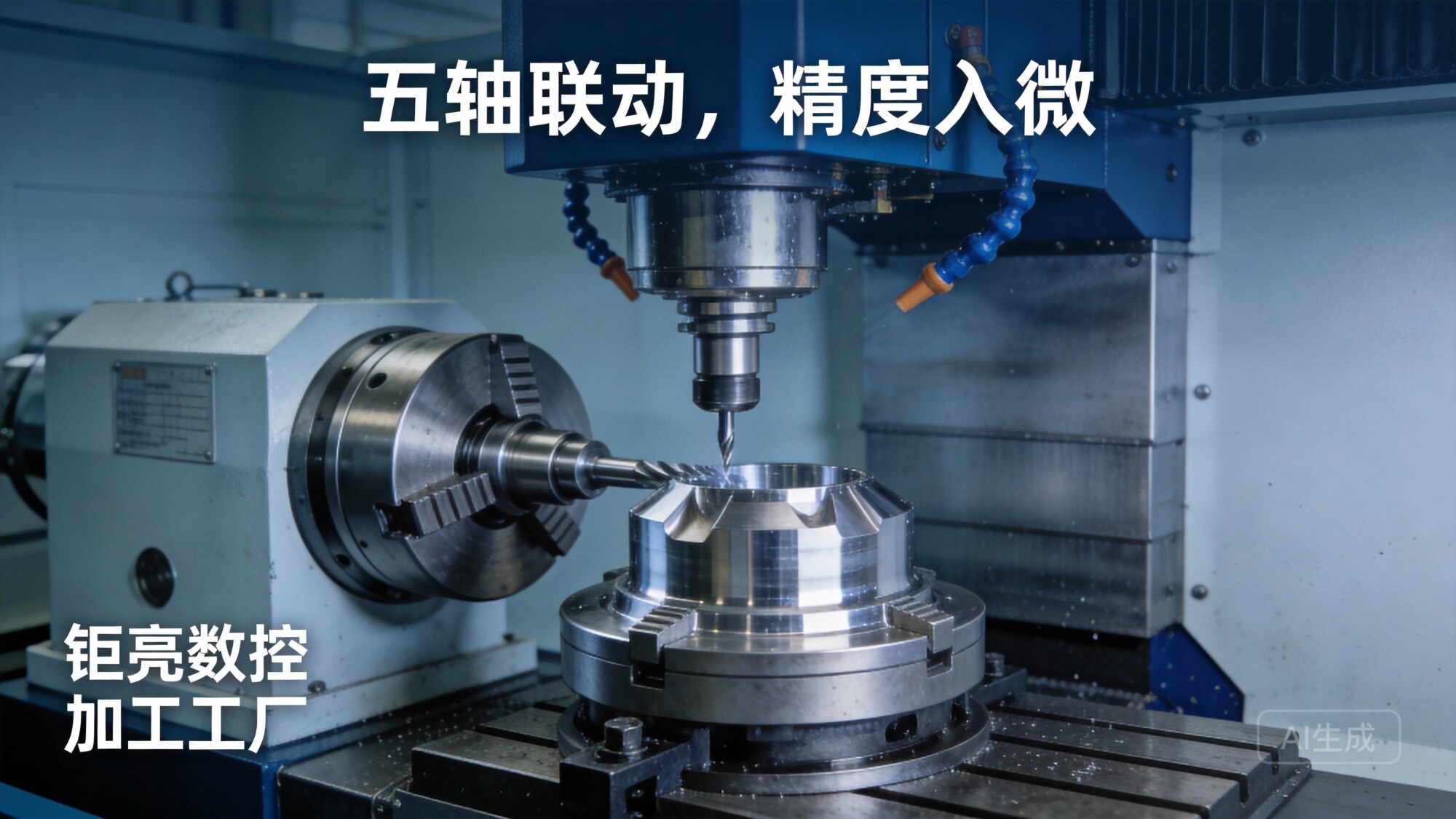
Introduction: Why Mold Maintenance Cleaning Polishing is the Foundation of Consistent Quality
In the demanding world of precision parts machining, the condition of your mold directly determines the outcome of every production cycle. Mold Maintenance Cleaning Polishing is not a routine afterthought—it is a strategic process that ensures part-to-part consistency, dimensional accuracy, and surface finish integrity. At GreatLight CNC Machining Factory, we have witnessed firsthand how a disciplined cleaning and polishing regimen can transform a mold’s performance, reducing cycle times, minimizing scrap, and extending tool life by up to 300%. This article explores the technical nuances of mold maintenance, offering actionable insights grounded in our 13 years of experience as an ISO 9001:2015 certified manufacturer.
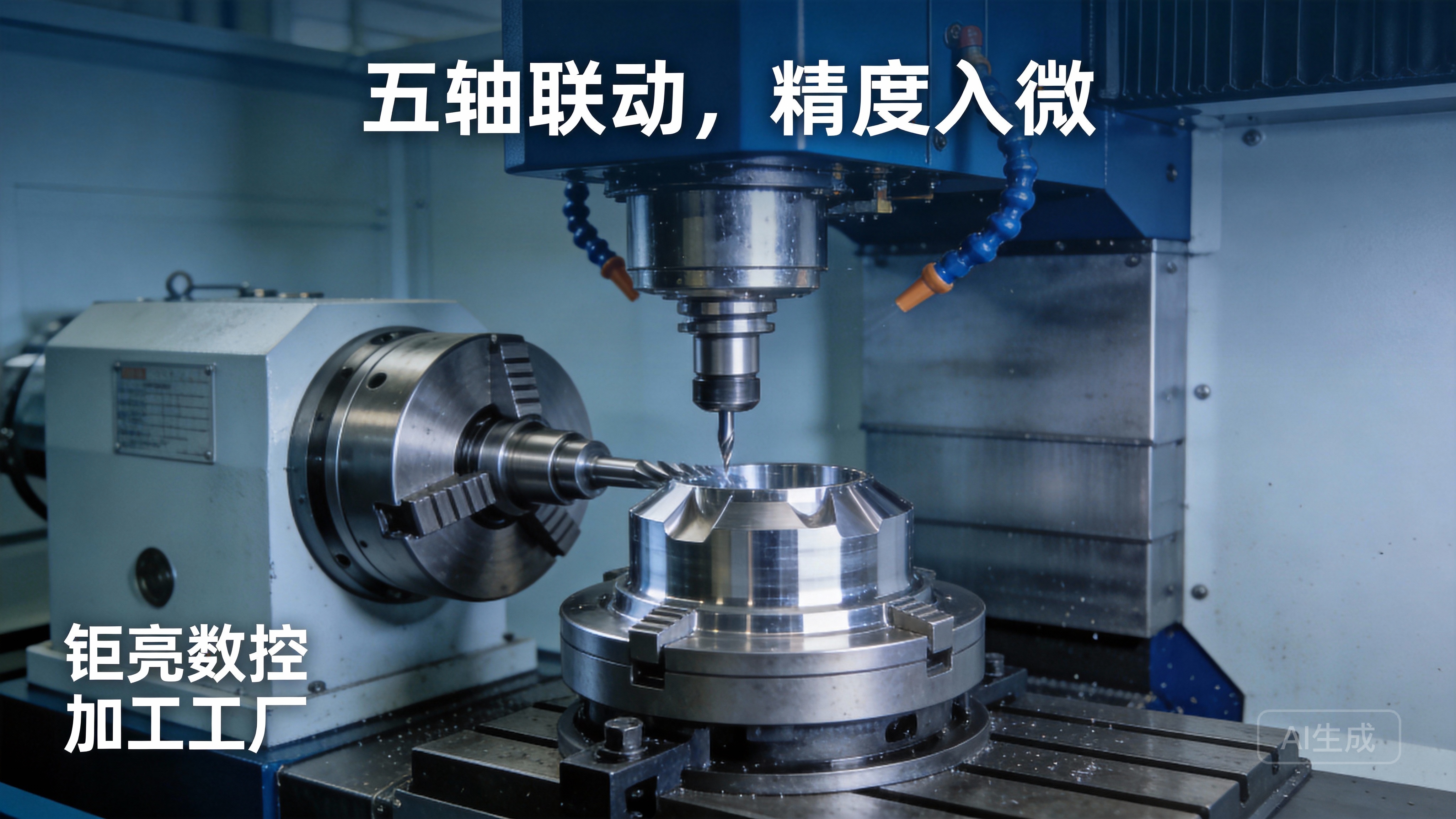
Understanding the Stakes: Why Mold Maintenance Matters
A mold is the heart of any injection molding, die casting, or stamping operation. Its condition dictates surface finish, material flow, and thermal stability. Neglected maintenance leads to:
Dimensional drift due to worn cavities
Surface defects like pits, scratches, or oxidation
Increased ejection force, causing part deformation
Prolonged cycle times from inefficient cooling channel deposits
The cost of unplanned downtime far exceeds the investment in a preventive maintenance schedule. For high-precision industries—automotive, medical, aerospace—a single mold failure can result in thousands of non-conforming parts, triggering expensive rework or recalls.
The Three Pillars of Mold Maintenance: Cleaning, Polishing, and Inspection
Let’s break down each stage with specific techniques, tooling, and quality metrics.
1. Cleaning: The Non-Negotiable First Step
Effective cleaning removes residues, corrosion inhibitors, and process contaminants without damaging the mold surface. Common methods include:
| Method | Best For | Considerations |
|---|---|---|
| Manual solvent wiping | Light oil/grease | Requires validated solvents (e.g., isopropyl alcohol, acetone) |
| Ultrasonic cleaning | Complex internal cavities | Agitation frequencies 25–40 kHz; avoid pitting on polished surfaces |
| Dry ice blasting | Heat-sensitive molds | No secondary waste; effective for carbonized deposits |
| Alkaline aqueous wash | Heavy mold release residues | pH needs close monitoring to avoid etching |
GreatLight Metal uses a tiered cleaning protocol: a pre‑cleaning step to remove bulk contaminants, followed by a precision cleaning cycle in our custom-designed ultrasonic baths with deionized water and neutral detergents. This ensures that every vent, insert, and cooling channel is free from particulates that could later cause surface blemishes.
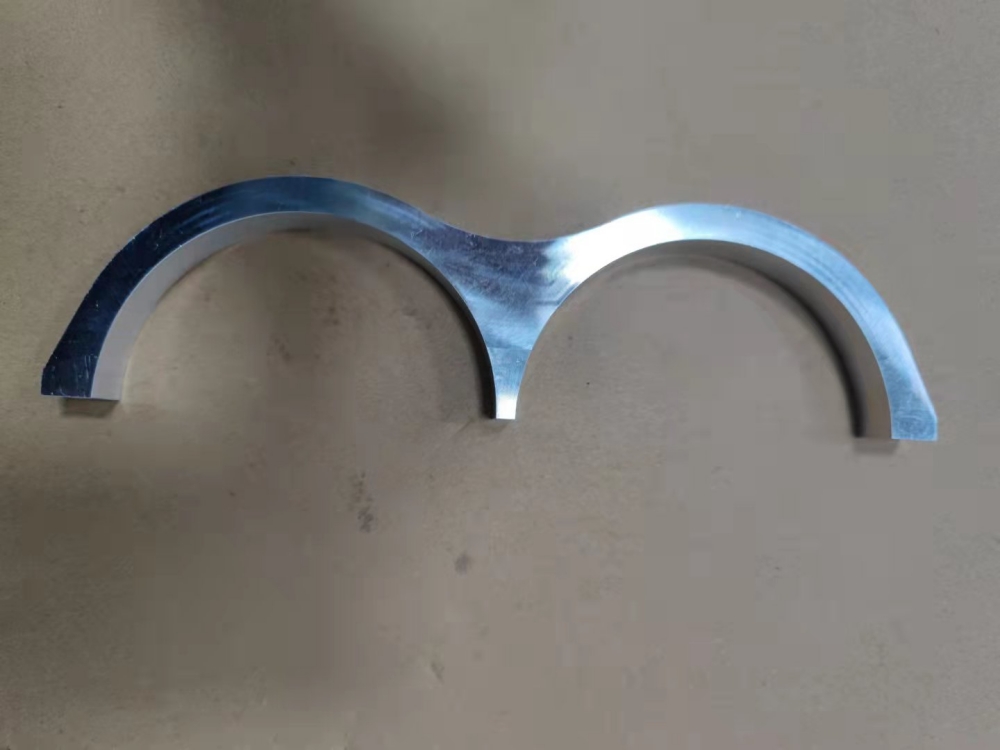
2. Polishing: From Mirror Finish to Functional Surface
Polishing is more than aesthetics—it directly influences material flow, part ejection, and cycle time. The goal is to achieve a homogeneous, defect‑free surface with a specified Ra (roughness average) value.
Polishing stages for tool steel (e.g., P20, H13, S136):
Rough grinding – Diamond abrasive wheels (60–120 grit)
Intermediate finishing – PVA abrasive stones (240–400 grit)
Fine finishing – Diamond paste (3‑6 micron) on felt or cotton wheels
Ultra‑fine finishing – Diamond suspension (0.5–1 micron) with a ceramic or silk cloth
For molds requiring Ra < 0.05 µm (mirror finish), we employ vibratory polishing using media impregnated with fine diamond particles. This uniform process eliminates operator variability and achieves repeatable surface quality across complex geometries.
Critical consideration: Over‑polishing can round sharp corners or alter draft angles. We always compare the polished mold cavity against the original CAD model using a coordinate measuring machine (CMM) to maintain dimensional integrity.
3. Inspection: Data‑Driven Condition Monitoring
After cleaning and polishing, a thorough inspection validates the effectiveness of the maintenance. Key checks include:
Visual inspection under magnification (10x–50x) – look for pits, scratches, or orange peel
Surface roughness measurement using profilometers (contact or non‑contact)
Dimensional verification with CMM or optical scanners (critical for sliding cores, inserts)
Cooling channel flow test – ensure no blockages that cause thermal imbalance
GreatLight Metal integrates these inspections into a digital maintenance log, enabling trend analysis. For example, if a mold shows increasing roughness in the same region after three consecutive maintenance cycles, it may indicate tool steel wear or inadequate polishing technique, prompting a deeper investigation.
Comparing Mold Maintenance Approaches: GreatLight Metal vs. Other Providers
When selecting a partner for mold maintenance, clients should evaluate not only cost but also technical depth, equipment, and certifications. The table below compares GreatLight Metal with other notable names in five-axis CNC machining and mold services.
| Supplier | Core Strength | Equipment Base | Certification | Mold Maintenance Specialization |
|---|---|---|---|---|
| GreatLight Metal | Full‑process chain (CNC, die casting, 3D printing) + in‑house tool & die shop | 127 machines including 5‑axis, EDM, wire EDM, surface grinders | ISO 9001, ISO 13485, IATF 16949 | Integrated cleaning/polishing/inspection with CMM feedback loop |
| EPRO‑MFG | Rapid prototyping & low‑volume production | 3‑axis & 5‑axis CNC, SLA/SLS | ISO 9001 | Basic surface finishing; no dedicated mold maintenance |
| Xometry | Network‑based sourcing for wide material selection | Decentralized supplier network | Varies by partner | No standard mold maintenance offering |
| Fictiv | Design‑for‑manufacturing & quick turnaround | 3‑axis/5‑axis CNC, injection molding | ISO 9001 | Limited to polishing for cosmetic prototypes |
| Owens Industries | High‑volume die casting & mold repair | Large‑capacity CNC, EDM, welding | ISO 9001, AS9100D | Strong repair & polishing but less focus on cleaning protocols |
| Protolabs Network | Automated quoting & fast prototype tooling | In‑house & partner capacity | ISO 9001 | Minimal post‑production mold maintenance |
GreatLight Metal stands out because we operate our own tool & die facility with dedicated technicians trained in mold cleaning and polishing. We don’t outsource maintenance—we control the entire chain, ensuring that a mold’s surface is restored to its original specification before returning to production.
Best Practices for a Mold Maintenance Cleaning Polishing Schedule
To maximize ROI on your mold assets, implement a schedule based on part material and production volume.
Material‑Dependent Frequency
Abrasive materials (e.g., glass‑filled nylon, carbon fiber composites): Every 2,000–5,000 cycles
Corrosive materials (e.g., PVC, flame‑retardant plastics): Every 1,000–3,000 cycles
Standard engineering plastics (e.g., ABS, PC, PE): Every 10,000–20,000 cycles
High‑temperature alloys (for die casting): Every 500–1,000 cycles (due to thermal fatigue)
Recommended Process Flow
Pre‑clean – Remove bulk deposits in an ultrasonic bath for 15–30 minutes.
Inspect – Document surface condition with photos and roughness data.
Polish – If Ra exceeds target by ≥20%, perform a full polishing sequence.
Re‑inspect – Verify roughness, dimensions, and cooling efficiency.
Apply release agent (if required) and store in a humidity‑controlled environment.
Advanced Techniques for Challenging Geometries
Modern molds feature intricate cooling channels, thin walls, and micro‑textured surfaces. Here’s how we handle them:
3D‑printed conformal cooling inserts: Cleaning these requires low‑pressure water‑jet systems to avoid damaging internal lattice structures.
Sliding cores and lifters: Manual polishing with fine ceramic stones, followed by application of PTFE‑based dry lubricant to reduce friction.
Textured surfaces (e.g., leather grain, lettering): Use silicone‑replica polishing pads that conform to the texture without erasing it.
Conclusion: Elevate Your Manufacturing Quality with Professional Mold Maintenance Cleaning Polishing
Mold maintenance cleaning polishing is not a cost—it is an investment in production reliability, part quality, and reduced downtime. By adopting a systematic approach that includes validated cleaning, precision polishing, and data‑driven inspection, you can extend your mold’s service life while maintaining the tight tolerances required for high‑end applications.
At GreatLight Metal, we combine over a decade of hands‑on experience, ISO 9001 quality systems, and a full‑process manufacturing chain to deliver mold maintenance that meets the strictest automotive, medical, and aerospace standards. Whether you need a single cavity clean‑up or a complete polishing program for a multi‑cavity production tool, our team is ready to support you. Contact us to discuss your mold maintenance needs and see why clients worldwide choose GreatLight Metal as their trusted manufacturing partner. Learn more about our five-axis CNC machining services and discover how we integrate mold maintenance into your production success.


![[访谈] RAPID + TCT 2024:人工智能对 3D 打印的价值](https://print-ing.com/wp-content/uploads/2024/07/INTERVIEW-60x60.jpeg "[访谈] RAPID + TCT 2024:人工智能对 3D 打印的价值 9")




发表回复
要发表评论,您必须先登录。