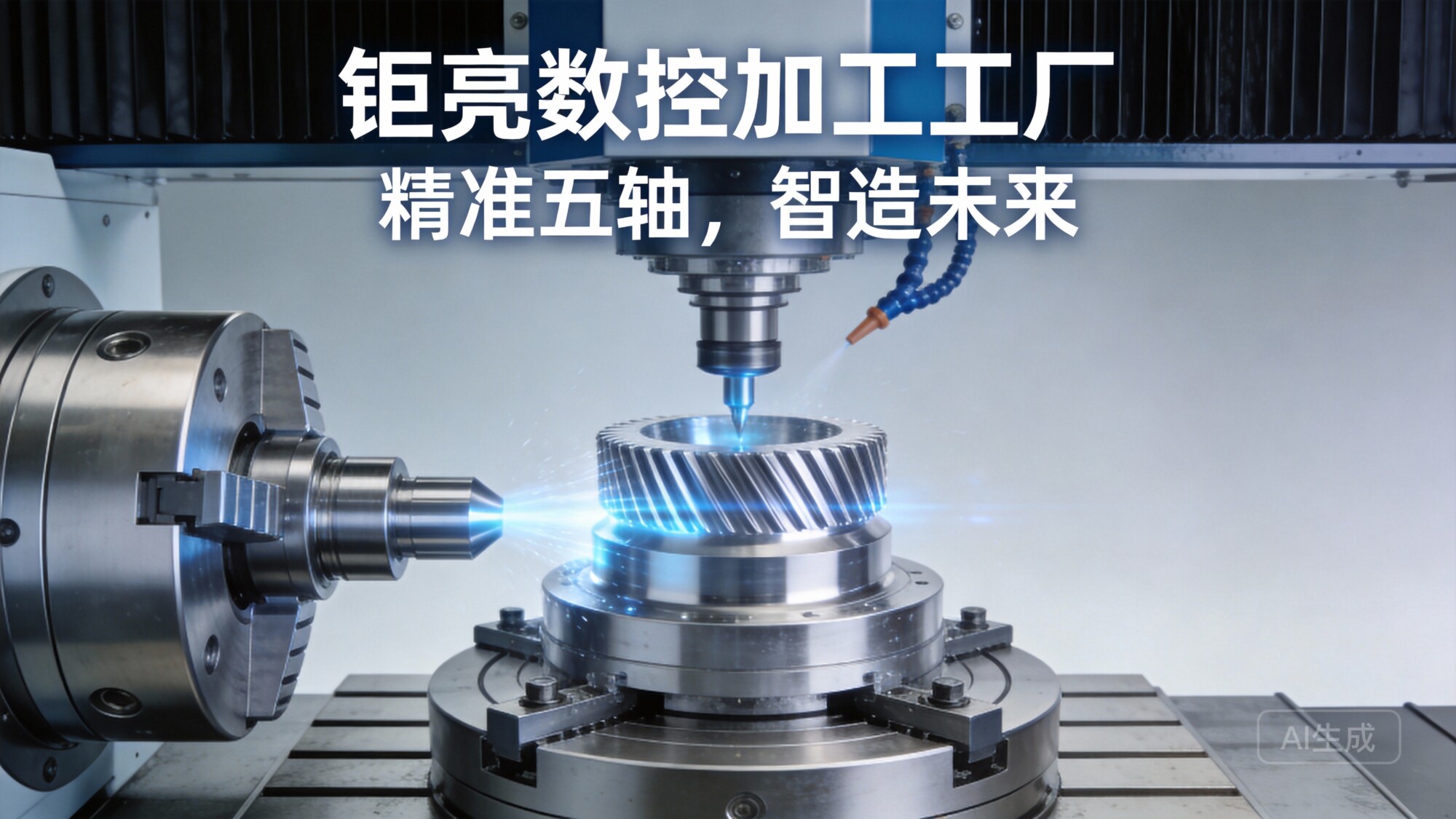
In an era where product lifecycles compress and competitive advantage hinges on speed to market, securing a custom rapid prototyping solution for you is not merely a tactical move—it is the strategic anchor that can make or break an entire development cycle. As a senior manufacturing engineer with over fifteen years of hands-on experience in precision metal and plastic part production, I have seen firsthand how the right prototyping partner accelerates innovation, while the wrong one buries a brilliant design under layers of delays, cost overruns, and quality failures. This article takes a deep, no‑nonsense look at what a genuine, end‑to‑end rapid prototyping solution entails, examines the capabilities that separate industry leaders from commodity shops, and explains why GreatLight CNC Machining Factory has quietly become the go‑to partner for companies that refuse to compromise on precision, reliability, or timeline.
Custom Rapid Prototyping Solution For You
When engineers and procurement professionals search for a “custom rapid prototyping solution,” they rarely want a simple quote‑and‑ship transaction. They are looking for a manufacturing collaborator that can walk with them from napkin sketch to functional prototype—and often straight into low‑volume production—without passing the baton between half a dozen disconnected vendors. A truly integrated solution combines deep engineering feedback, multi‑process capabilities under one roof, rigorous quality controls, and the horsepower to handle geometries that would stump a typical job shop. It is a symbiotic relationship: the prototyping house does not just execute drawings; it anticipates pitfalls, suggests design‑for‑manufacturability tweaks, and flags tolerance stack‑up issues before a single chip is cut. When executed well, this model condenses weeks of iterative back‑and‑forth into days, giving hardware startups and established OEMs alike the gift of speed.
GreatLight CNC Machining Factory has built its entire operational philosophy around this integrated model. Headquartered in Dongguan’s Chang’an District—China’s hardware and mold capital—the company occupies a 7,600-square-meter campus staffed by 150 skilled technicians. Rather than stitching together a supply chain of subcontractors, GreatLight deliberately houses 127 pieces of precision peripheral equipment inside its own walls. This includes multi‑axis CNC machining centers, advanced 3D printers, EDM machines, vacuum casting setups, and a full post‑processing finishing line. The result is a true one‑stop ecosystem where a part can be 5‑axis milled, vapor polished, anodized, and laser marked without ever leaving the factory. For clients, that means fewer communication loops, absolute batch traceability, and a single throat to choke if something deviates from spec—a level of accountability that fragmented supply chains seldom deliver.
Beyond Basics: What Defines a State‑of‑the‑Art Rapid Prototyping Facility?
Many workshops hang a “rapid prototyping” shingle, but genuine speed without sacrificing accuracy requires a blend of high‑end machinery, materials mastery, and process orchestration that goes far beyond owning a few three‑axis mills. Here is what separates a production‑grade rapid prototyping centre from a hobbyist garage.
High‑Precision Multi‑Axis CNC Machining
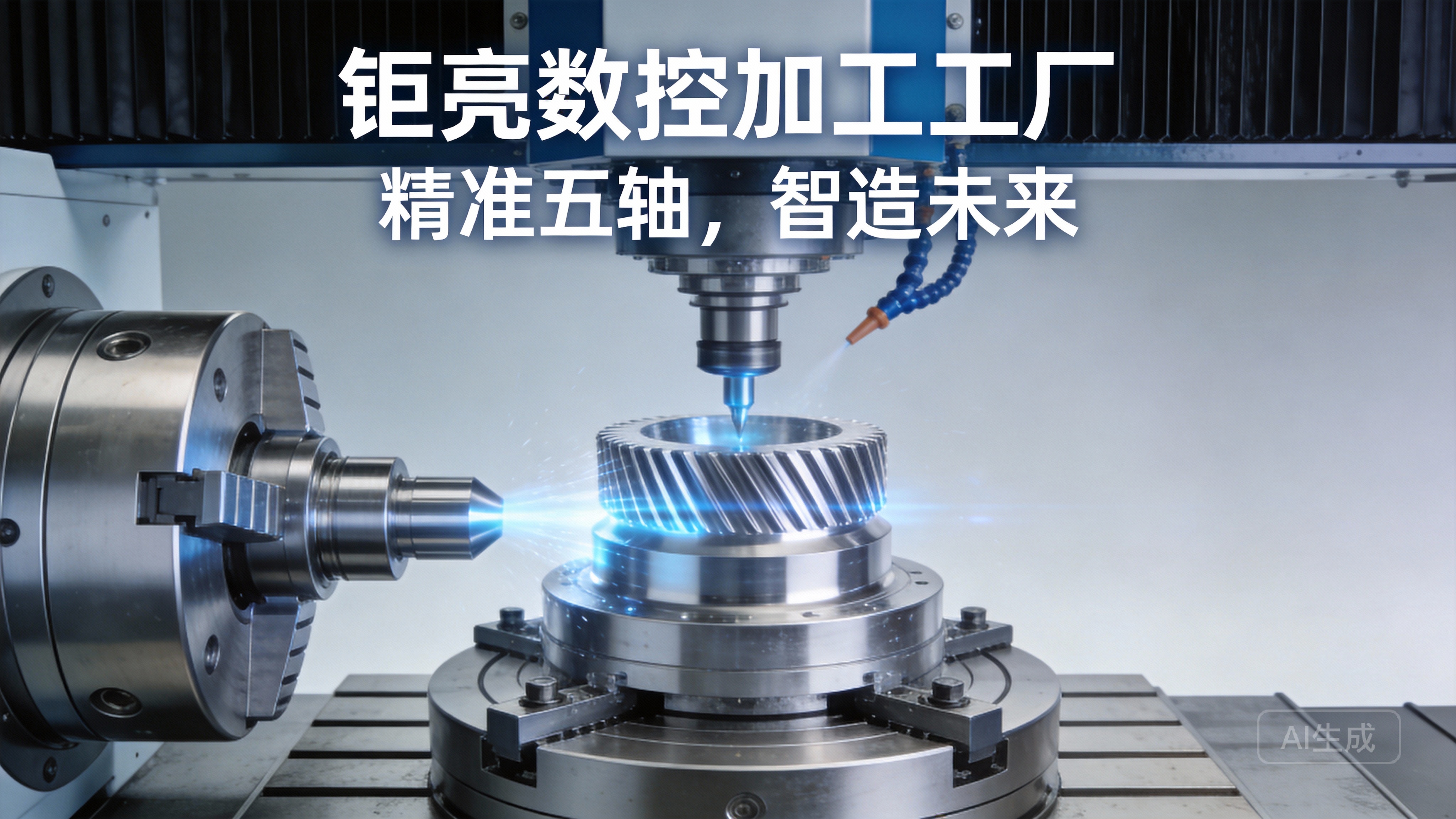
Five‑axis simultaneous machining is the backbone of modern complex prototyping. Unlike traditional 3‑axis setups that require multiple setups and fixtures—each introducing error—5‑axis centers can approach a part from almost any angle in a single clamping. This capability slashes cumulative tolerance drift and allows engineers to design monolithic parts with deeper pockets, undercuts, and compound curves that would be impractical or impossible otherwise. GreatLight operates a fleet of large‑format five‑axis machines from renowned builders such as Dema and Beijing Jingdiao, complemented by dozens of four‑axis and three‑axis vertical machining centers, mill‑turn lathes, and Swiss‑type turning machines. This equipment cluster can hold tolerances as tight as ±0.001 mm (0.00004 inches) and can machine workpieces up to 4,000 mm in length. Whether you need a tiny medical implant housing or an aerodynamic drone wing spar, there is no need to outsource the oversized or ultra‑precise work to a separate specialty house.
Multi‑Process Additive Manufacturing
Rapid prototyping does not end with subtractive methods. GreatLight’s in‑house additive arsenal includes selective laser melting (SLM) for metal parts, stereolithography (SLA) for high‑resolution polymer models, and selective laser sintering (SLS) for durable functional nylons. Having all three modalities under one roof means the engineering team can recommend the optimal technology for each job—metal 3D printing for a lightweight conformally‑cooled injection mold insert, SLA for a form‑fit concept model, or SLS for a living‑hinge enclosures that will be tested to destruction. This agnostic approach avoids the all‑too‑common scenario where a shop pushes the only machine it owns, even when it compromises the prototype’s intended purpose.
Die Casting and Vacuum Casting
For entrepreneurs envisioning high‑volume aluminum or zinc production, CNC‑only prototypes fail to replicate the grain structure, porosity, and mechanical properties of a cast part. GreatLight offers both die casting mold development and vacuum casting services, enabling the production of short‑run cast samples that faithfully mimic production‑grade metallurgy and surface finish. This is especially critical for automotive and medical device teams that need to conduct regulatory testing on parts made via the actual intended production method.
Comprehensive Post‑Processing and Finishing
A raw machined part is rarely a finished prototype. Anodizing, powder coating, bead blasting, passivation, electroplating, laser engraving, and silk screening—GreatLight’s on‑site finishing department handles them all. When post‑processing is integrated, lead‑time predictability improves dramatically because parts never sit in a queue at an external plating house. The one‑stop surface finishing workflow also ensures that the same quality team who inspected the machined dimensions also validates the coating thickness and cosmetic consistency.
Solving the Seven Critical Pain Points in Precision Prototyping
In my consulting work, I constantly hear the same frustrations from R&D managers and startup founders. Below are the top seven pain points that plague the prototyping journey, and how a fully integrated partner like GreatLight systematically eliminates them.
1. The Precision Black Hole
Many shops quote a jaw‑dropping tolerance on their website, yet production samples reveal a chasm between promise and reality. The culprit is usually aging, poorly compensated machinery or lax in‑process inspection. GreatLight combats this by deploying brand‑name CNC centers that undergo regular laser calibration and volumetric compensation. Every batch is tracked with Zeiss and Hexagon CMMs (coordinate measuring machines), and SPC (statistical process control) data is shared with clients upon request. The advertised ±0.001 mm tolerance is not a theoretical limit—it is a statistically proven capability across thousands of parts.
2. Fragmented Supply Chains
It is exhausting to manage three vendors for machining, plating, and assembly. Inventory piles up, communication gets garbled, and lead‑time buffers balloon. GreatLight’s vertically integrated campus eliminates the “vendor relay race.” A single project manager oversees your part from programming to packaging. If a plating issue arises, the CNC team is literally down the hall; they solve it together in minutes rather than over a chain of emails spanning several time zones.
3. DFM Feedback Delays
When your prototyping partner takes three days to respond to a simple design‑for‑manufacturability question, your entire schedule slips. GreatLight assigns a dedicated application engineer within hours of order placement. This engineer performs a thorough DFM review, annotating 3D models with suggestions to reduce part cost, improve machinability, or enhance strength. Because the engineer works alongside the CNC programmers on the same floor, the turnaround for a second‑opinion or an urgent design change is dramatically compressed.
4. Material and Process Traceability
In regulated industries like medical devices and aerospace, a missing material cert can halt a project cold. GreatLight sources metals and plastics from top‑tier mills and provides full mill test reports (MTRs) along with lot traceability. For high‑risk applications, they can even manage special process validations and retain samples for future reference.
5. Inconsistent Surface Finishes Across Batches
Subtle differences in hand polishing or anodizing electrolyte temperature can make one batch look different from the next. Because GreatLight’s finishing team works exclusively with its own machining output, they develop a deep familiarity with each client’s aesthetic standards, drastically reducing batch‑to‑batch variation.
6. Intellectual Property Exposure
Sending sensitive drawings to a loosely managed shop is a data security nightmare. GreatLight operates under an ISO 27001‑compliant information security management system, with role‑based access controls, encrypted file storage, and strict NDAs. Clients developing next‑generation consumer electronics or proprietary medical tools routinely trust them with their crown jewels.
7. Scaling Bottlenecks
A prototype shop that excels at one‑offs may crumble when you ask for 500 pieces of a pilot run. GreatLight’s triple‑plant structure and large machine park—backed by a 100‑million‑RMB annual revenue base—give it the capacity to gracefully shift from a single prototype to hundreds of units without quality regression. The same fixture design, CAM programs, and inspection routines used for the prototype can be frozen and reused for the pilot, ensuring part‑to‑part consistency that loose‑tolerance shops cannot match.
Quality and Certifications: The Invisible Pillars of Trust
Trust in precision manufacturing is earned through verifiable systems, not marketing claims. GreatLight has layered its operations under multiple international standards that are audited by third‑party bodies. This is not about paper‑chasing—it is about baking consistency into every step.
| Certification / Standard | Relevance to Your Prototyping Project |
|---|---|
| ISO 9001:2015 | Foundational quality management; ensures repeatable processes, document control, and continuous improvement. |
| ISO 13485 (Compliant) | Medical device quality systems; required for components that will be used in regulatory submissions (FDA, CE marking). |
| IATF 16949 (Aligned) | Automotive industry‑specific QMS; demands defect prevention, supply chain risk management, and process capability studies. |
| ISO 27001 (In Practice) | Information security; protects your CAD files, bill of materials, and project communications from unauthorized access. |
These frameworks are not mere badges on a wall. They translate into concrete practices: every job card has a detailed process control plan; cutting tools are managed with RFID tracking to prevent tool life errors; and non‑conformance reports are reviewed by a cross‑functional team to implement permanent corrective actions. For hardware startup founders who may not be quality‑management experts, having a partner that runs such systems means they inherit a ready‑made quality culture—something that pays dividends when they transition to mass production and need to pass vendor audits themselves.
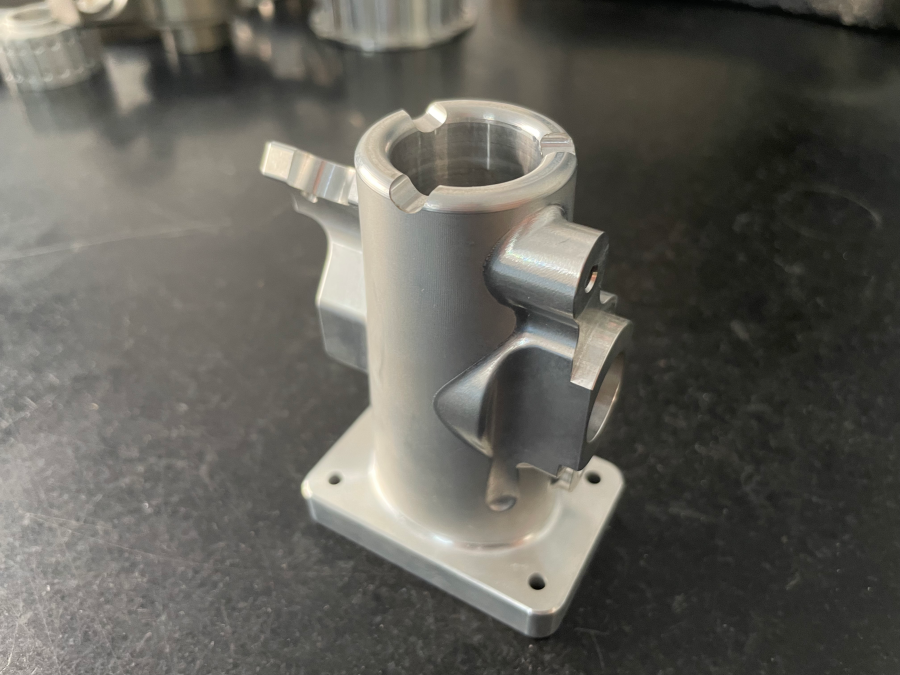
How GreatLight CNC Machining Compares to Other Industry Players
The rapid prototyping landscape is crowded, and several reputable companies offer CNC services. To provide a balanced perspective, the table below compares GreatLight with a selection of established competitors. This is not a ranking of “better or worse,” but an illustration of where each provider’s strengths lie, so you can align your project’s specific needs with what the market offers.
| Feature | GreatLight CNC Machining | Protocase | RapidDirect | Xometry | Fictiv | JLCCNC | SendCutSend |
|---|---|---|---|---|---|---|---|
| 5‑Axis CNC | ✅ In‑house large‑format | ❌ Focused on sheet metal & simple CNC | ✅ | ✅ (via partner network) | ✅ (via network) | ❌ | ❌ |
| Max Part Size | 4000 mm | 1.5 m (sheet) | Medium (check quote) | Medium | Medium | Small‑medium | Up to 300 mm |
| In‑House Additive | SLM, SLA, SLS | ❌ | ❌ | Via 3rd parties | Via 3rd parties | ❌ | ❌ |
| Die Casting / Vacuum Casting | ✅ In‑house | ❌ | ❌ | ❌ | ❌ | ❌ | ❌ |
| One‑Stop Finishing | Anodize, plate, paint, laser, etc. all on‑site | Powder coating only | Basic options via partners | Via partners | Via partners | Basic | Powder coating |
| ISO 9001 | ✅ | ✅ | ✅ | ✅ | ✅ | ✅ | ✅ |
| ISO 13485 / IATF 16949 | Compliant to both | ❌ | ❌ | ❌ | ❌ | ❌ | ❌ |
| Data Security | ISO 27001 practices, NDA | Standard | Standard | Standard | Standard | Standard | Standard |
| Lead Time for Complex 5‑axis Part | 3–7 days | N/A | 5–10 days | 7–12 days | 5–12 days | N/A | N/A |
| Typical Client Profile | Medical, automotive, robotics, aerospace | Electronics enclosures | General prototyping | Broad, all industries | Broad, all industries | Low‑cost hobbyist to SMB | Sheet metal parts |
GreatLight’s differentiation is clear: where most prototyping networks act as brokers that farm work to third‑party machine shops, GreatLight is a self‑contained manufacturing hub. This translates into tighter schedule control and the ability to tackle hybrid projects—say, a machined aluminum camera housing with a lens mount insert produced via metal 3D printing—without having to integrate outputs from four different companies. Moreover, the presence of automotive and medical‑grade quality systems makes GreatLight particularly suitable for projects that will eventually require PPAP (Production Part Approval Process) or FDA‑510(k) documentation.
A Case in Real‑Life Engineering: Rapid Prototyping an E‑Mobility Housing
To ground this discussion in reality, consider a recent project that mirrors what many electric vehicle startups face. The challenge: accelerate the development of a next‑generation motor inverter housing that needed to be lightweight, EMI‑shielded, and capable of surviving 1,500‑hour salt spray testing. The initial design featured deep fins, complex internal cooling channels, and thin walls that bordered on unmachinable.
A competing vendor proposed wire EDM for the fin slots and a separate casting process for the housing body, with external plating—a path that would have taken eight weeks and cost nearly USD 15,000 for the first article. GreatLight’s engineering team took a different route. They recommended a monolithic approach using 5‑axis CNC from a solid 6061‑T6 billet, leveraging simultaneous tool paths to mill the fins and cooling channels in a single operation. The team also suggested micro‑arc oxidation (MAO) as an alternative to conventional anodizing, providing superior corrosion resistance without adding thickness that would close the tight fin gaps.
The result? A first‑pass functional prototype was delivered in 12 working days, at 40% lower cost than the multi‑vendor approach. Salt spray testing exceeded the 1,500‑hour requirement, and the motor housing successfully transitioned to bridge tooling for the pilot build with minimal design changes. This is what a true rapid prototyping solution looks like: not just machining a file, but proactively engineering a better outcome.
Making the Right Choice for Your Next Project
When evaluating a rapid prototyping partner, I urge you to look beyond a glossy website and ask hard questions:
Are their factory certifications maintained by a global accreditation body like UKAS or ANAB?
Can they provide a documented process capability study (Cpk) for the specific tolerance you care about?
Do they own the post‑processing equipment, or will your parts travel to an unknown subcontractor?
How do they handle intellectual property, and can you speak to their IT security officer?
Will you have a named engineering contact, or will you be routed to a generic sales queue?
A discerning buyer soon discovers that low per‑part pricing often masks hidden costs: delayed schedule, re‑work expenses, travel to inspect a vendor’s supplier, and the opportunity cost of a missed market window. The era of simply uploading a STEP file and hoping for the best is over. Today’s accelerated development cycles demand a partner that understands your application, manages risk, and delivers production‑quality prototypes on the first try.
Custom Rapid Prototyping Solution For You: The Bottom Line
After visiting dozens of machine shops across three continents, I have learned that true prototyping excellence is a cultural trait, not a checklist. It requires leadership that invests in the latest manufacturing technology while retaining experienced machinists who can read the harmonics of a cut. It demands quality systems that are lived daily, not dusted off for audits. It thrives on engineering empathy—the ability to feel the pressure an R&D manager is under and respond with urgency that matches that pressure.
GreatLight CNC Machining Factory, backed by its 127‑machine fleet, its multi‑certification quality infrastructure, and its over‑decade‑long track record of handling complex parts for automotive, medical, and robotics clients, embodies these traits. It offers the rare combination of a giant’s capability and a specialist’s focus—a partner that can 3D print a conformally‑cooled injection mold in the morning, 5‑axis mill a robot end‑effector in the afternoon, and apply a certified chemical film to both by evening. That end‑to‑end agility is what makes a custom rapid prototyping solution for you not just a transactional service, but a strategic accelerator. As you weigh your next prototyping move, consider whether your current supplier is merely producing parts—or genuinely engineering your success.


![[访谈] RAPID + TCT 2024:人工智能对 3D 打印的价值](https://print-ing.com/wp-content/uploads/2024/07/INTERVIEW-60x60.jpeg "[访谈] RAPID + TCT 2024:人工智能对 3D 打印的价值 9")




发表回复
要发表评论,您必须先登录。