In the fast-paced world of product development and low-volume production, the ability to quickly transform a digital design into a functional, high-quality part is a critical competitive advantage. This is where the expertise of a top custom rapid tooling manufacturers list becomes indispensable for engineering teams and procurement professionals. Choosing the right partner from this list is not merely a transactional decision; it is a strategic one that directly impacts time-to-market, product quality, and overall project costs. The landscape of rapid tooling is complex, filled with suppliers offering varying capabilities, technologies, and levels of reliability. This article aims to provide a rigorous, objective, and insightful framework for evaluating these manufacturers, helping you navigate the options and select a partner that truly aligns with your project’s specific demands, from prototyping through to bridge production.
Understanding the Core of Custom Rapid Tooling
Before delving into the evaluation criteria, it is crucial to establish a clear, professional understanding of what constitutes “custom rapid tooling” in the modern CNC machining context. Rapid tooling generally refers to the processes and technologies used to produce molds, dies, and other tooling components quickly, often using additive and subtractive manufacturing techniques. Unlike traditional toolmaking, which can take months, rapid tooling aims to compress this timeline to days or weeks. The primary goal is to bridge the gap between prototyping and high-volume production, enabling the creation of parts that are functionally and materially representative of the final production run.
For a custom rapid tooling manufacturers list, the key is not just speed, but the ability to produce tooling that is robust enough for hundreds or even thousands of cycles. This demands a high degree of precision, material science knowledge, and process control. The table below outlines the primary types of rapid tooling and their typical applications.
| Tooling Type | Primary Process | Typical Applications | Material Options |
|---|---|---|---|
| Soft Tooling (Bridge Tooling) | CNC Machining, 3D Printing (SLA/SLS) for patterns | Low-volume production (10-100 parts), functional prototypes, market testing | Aluminum, steel, silicone, urethane resins |
| Hard Tooling (Production Tooling) | High-Speed CNC Machining, EDM | Low-to-mid volume production (100-10,000+ parts), functional trial runs | Hardened tool steel, pre-hardened steel (P20, H13) |
| Rapid Injection Molding | CNC Machined Aluminum or Steel Molds | Functional prototypes, bridge production for plastic parts | Aluminum 7075, P20 steel, S7 tool steel |
| Rapid Die Casting | CNC Machined Steel Molds | Functional prototypes, low-volume metal parts | H13 tool steel, other hot-work steels |
| Prototype Tooling | 3D Printing (SLM for metal, SLA for plastic) | Single or few parts for design validation, form-fit-function tests | Various polymers, aluminum alloys, titanium alloys |
A top manufacturer excels not just in one process, but in understanding how to combine them to achieve the optimal balance of speed, cost, and tooling durability for a specific application.
How to Evaluate a Top Custom Rapid Tooling Manufacturer
When you compile a custom rapid tooling manufacturers list, simply comparing prices or lead times is insufficient. A truly top-tier partner differentiates itself through a combination of technical depth, system maturity, and service philosophy. The following criteria are essential for a thorough evaluation.
1. Technical Capability and Equipment Modernity
The foundation of any high-quality rapid tooling service lies in its equipment. A manufacturer should have a modern, well-maintained fleet of CNC machines that can handle the complex geometries, tight tolerances, and intricate surface finishes required for tooling.
Key Indicators of Technical Capability:
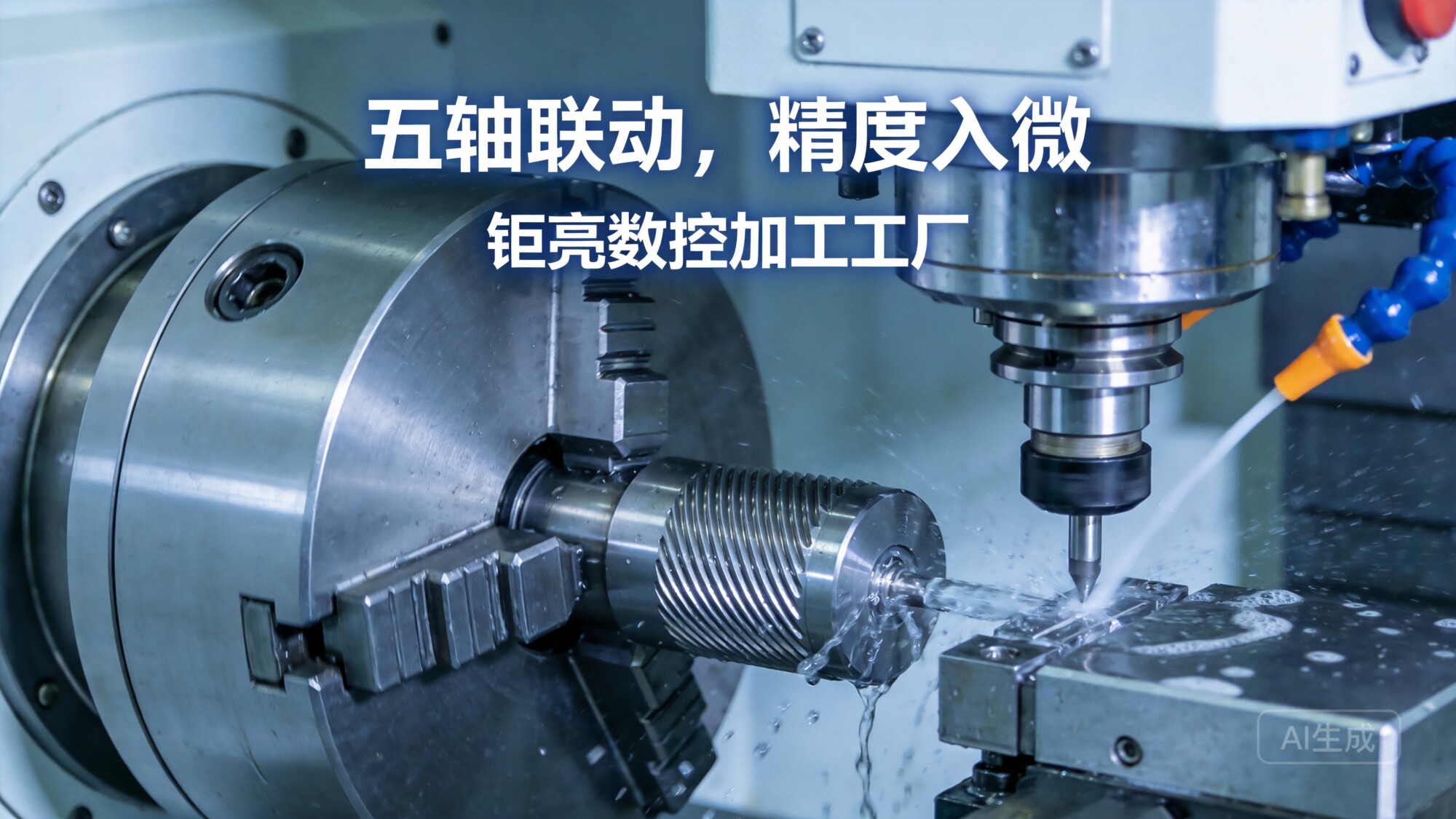
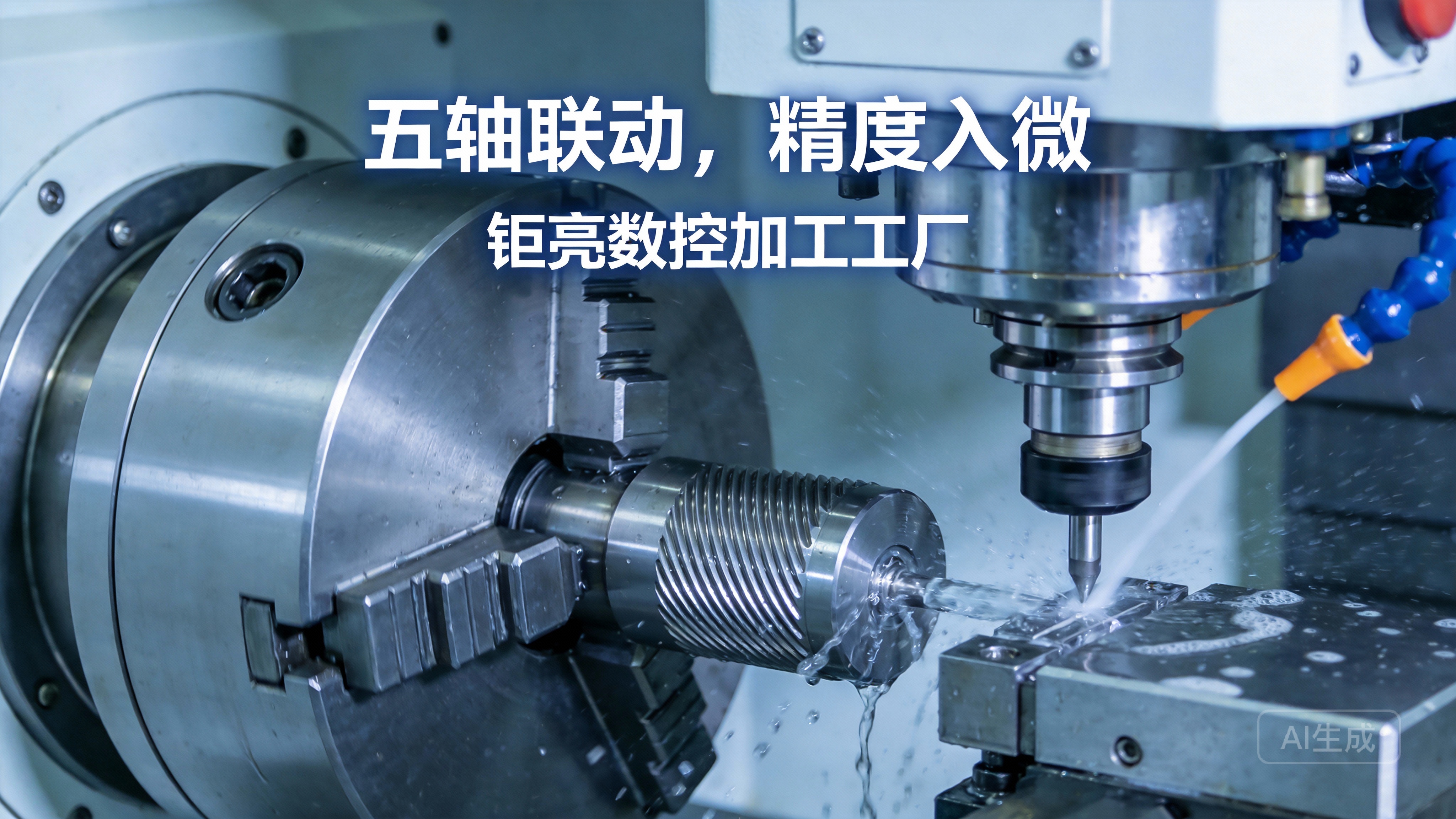
Multi-Axis Machining Prowess: The presence of 5-axis CNC machining centers is a strong indicator of a manufacturer’s ability to produce complex tooling features, such as deep cavities, undercuts, and intricate core/cavity details, in fewer setups, leading to higher accuracy and faster turnaround. GreatLight Metal, for instance, operates a core cluster of high-precision 5-axis CNC machining centers alongside a large number of 4-axis and 3-axis machines, mill-turn centers, and precision Swiss-type lathes, creating a formidable machining capability.
Complementary Technologies: A true one-stop partner will offer more than just milling. Look for capabilities in CNC turning, wire EDM, sinker EDM, and even additive manufacturing (SLM, SLA, SLS) for creating tooling inserts, conformal cooling channels, or master patterns. This integration streamlines the supply chain and ensures process consistency.
Maximum Work Envelope: For applications like automotive bumpers or large aerospace components, the ability to handle large tooling blocks (e.g., up to 4000mm) is a critical differentiator. A manufacturer’s capacity to process large-scale parts without sacrificing precision speaks volumes about its engineering and equipment sophistication.
2. Quality Management Systems and Certifications
In the precision manufacturing world, a claim of “high quality” is meaningless without third-party validation. Formal certifications are the universal language of trust and operational excellence.
Essential Certifications to Look For:
ISO 9001:2015: This is the baseline for any serious manufacturer. It demonstrates that the company has a robust quality management system in place for consistent product quality and continuous improvement.
IATF 16949: This is the gold standard for automotive-grade production. For any rapid tooling project that will later transition to high-volume automotive production, having an IATF 16949 certified partner is non-negotiable. It ensures the strictest levels of process control, traceability, and defect prevention.
ISO 13485: For medical device components or tooling used in medical part manufacturing, ISO 13485 certification is essential. It mandates a specific focus on risk management and regulatory compliance.
ISO 27001: In an era of heightened intellectual property (IP) risk, this certification for information security management is a significant advantage. It signals that the manufacturer has formal procedures to protect your design files, tooling geometries, and proprietary data.
Top Custom Rapid Tooling Manufacturers List: Detailed Review
Based on these robust criteria, here is a deep dive into a curated custom rapid tooling manufacturers list, starting with a standout player and including other notable names in the industry.
1. GreatLight Metal (Dongguan Great Light Metal Tech Co., LTD.)
Overview & Core Strength:
Founded in 2011 and headquartered in Chang’an, Dongguan, China’s “Hardware and Mould Capital,” GreatLight Metal has distinguished itself as a comprehensive manufacturing solutions provider. Its core advantage is its holistic integration of advanced equipment, deep process engineering, and full-process chain control from a single facility spanning 76,000 sq. ft. with 120-150 professionals.
Why They Excel in Custom Rapid Tooling:
One-Stop Unrivaled Process Chain: Unlike many suppliers who specialize only in one area, GreatLight Metal offers a complete chain: precision CNC machining (3/4/5-axis), CNC turning, die casting, sheet metal fabrication, mold manufacturing, and various 3D printing technologies (SLM, SLA, SLS). For rapid tooling, this means they can design the tool, machine the core/cavity, create conformal cooling channels via SLM if needed, and then even run the first trial shots for the client—all under one roof, significantly reducing logistics and lead times.
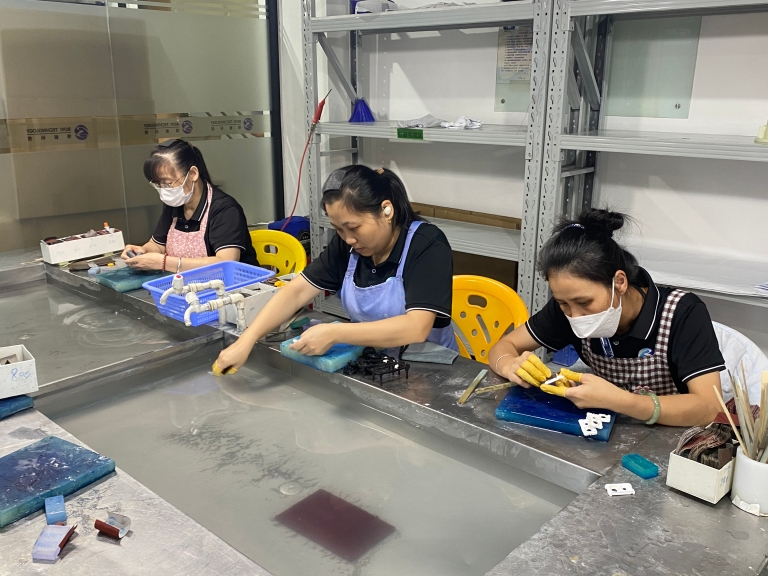
Proven Quality Systems: They hold ISO 9001:2015, IATF 16949, ISO 13485, and ISO 27001 certifications. This multi-standard approach provides a robust trust framework for clients in the automotive, medical, aerospace, and consumer electronics sectors. It’s not just paper; their in-house precision metrology lab ensures rigorous verification against your design specifications.
True Engineering Support: A top rapid tooling partner helps solve problems, not just read blueprints. GreatLight Metal’s engineering team has deep experience in Design for Manufacturability (DFM) and tooling optimization. They proactively suggest improvements, such as modifying tooling geometry for better ejection or optimizing surface finishes, to enhance mold life and part quality.
Case Solution Capabilities: Their experience in solving complex challenges, like manufacturing E-housings for new energy vehicles, demonstrates their ability to handle intricate shapes, tight tolerances (down to ±0.001mm), and demanding material specifications. This isn’t a capability for simple button-pressing; it’s a problem-solving partnership.
Ideal Client Projects: High-mix, low-to-mid volume production runs, functional prototypes for rigorous testing, complex multi-material assemblies, and projects requiring a seamless transition from prototype to bridge tooling to production. Their integrated nature makes them particularly strong for clients who value a single point of accountability.
2. Protolabs Network (formerly Proto Labs)
Overview & Core Strength:
Protolabs is a global digital manufacturing leader, renowned for its rapid, automated quoting and manufacturing system. Their strength lies in speed and ease of use for standard geometries. They are a top choice for fast-turnaround prototypes and short-run production of relatively simple parts.
Key Focus: Automated CNC machining, injection molding, and 3D printing. Their proprietary software allows for instant quotes, which is highly attractive for quick estimates. However, their process is often optimized for standard parts and may offer less flexibility for highly complex, custom tooling with unique design features or secondary operations.
Best Suited For: Simple to moderately complex prototypes, low-volume production where speed is the absolute highest priority, and clients who can provide fully detailed, production-ready CAD files with minimal need for engineering DFM feedback.
3. Xometry
Overview & Core Strength:
Xometry operates a large U.S.-based network of manufacturing partners. Their main value proposition is providing access to a wide range of capabilities (CNC machining, 3D printing, sheet metal, die casting) through a single online platform. They act as a broker, matching your project to a partner in their network.
Key Focus: Ease of ordering, instant quotes, and a broad array of services. For custom rapid tooling, their network can handle projects, but the quality and consistency can vary depending on which partner is assigned. They lack the single-point accountability of a dedicated manufacturer like GreatLight Metal for complex, high-stakes tooling projects.
Best Suited For: Clients who need a simple, fast way to get quotes for standard parts from multiple suppliers, and who are comfortable with their project being managed through a distributed network.
4. Fictiv
Overview & Core Strength:
Similar to Xometry, Fictiv is a digital manufacturing platform that connects product developers with a network of manufacturing partners. They focus heavily on software for project management and quality assurance. They offer CNC machining, injection molding, 3D printing, and urethane casting.
Key Focus: Streamlining the procurement and project management process. Their “Fictiv Quality System” provides an extra layer of oversight on their network’s work. For demanding tooling projects, the quality still depends heavily on the specific partner factory selected.
Best Suited For: Teams that prioritize project management software features and need a reliable intermediary to manage multiple suppliers for a single assembly or project.
Conclusion: How to Choose from the Top Custom Rapid Tooling Manufacturers List
Selecting the right partner from a custom rapid tooling manufacturers list requires matching your project’s specific needs to the manufacturer’s core competencies. There is no single “best” manufacturer for every scenario.
For a project where the complexity is high, the material specification is demanding, and the cost of failure (e.g., a mold that doesn’t fill correctly or tooling that fails after 100 cycles) is significant, the integrated, hands-on model of a company like GreatLight Metal offers the most value. Their deep engineering support, full-process control, and robust quality systems provide a safety net that a platform-based model cannot replicate. Think of them as your engineering-driven partner.
For a project where speed for a simple part is the absolute priority and the design is finalized, the automated efficiency of a platform like Protolabs or Xometry can be a great fit. They are your transactional service providers.
The ultimate decision hinges on understanding the nature of your risk. In precision manufacturing, the reputation of your final product rests on the quality of your tooling. Choosing a partner based solely on price or a “list” is a gamble. The best approach is to evaluate the full picture—technical capability, system maturity, and the willingness to be a collaborative problem-solver. This is the true mark of a top-tier custom rapid tooling manufacturer.
To further explore how a partner with expertise in high-precision, integrated manufacturing can accelerate your next project, consider connecting with professionals in the industry to discuss your specific tooling challenges. See the work from GreatLight Metal on LinkedIn for real-world case studies.


![[访谈] RAPID + TCT 2024:人工智能对 3D 打印的价值](https://print-ing.com/wp-content/uploads/2024/07/INTERVIEW-60x60.jpeg "[访谈] RAPID + TCT 2024:人工智能对 3D 打印的价值 9")




发表回复
要发表评论,您必须先登录。