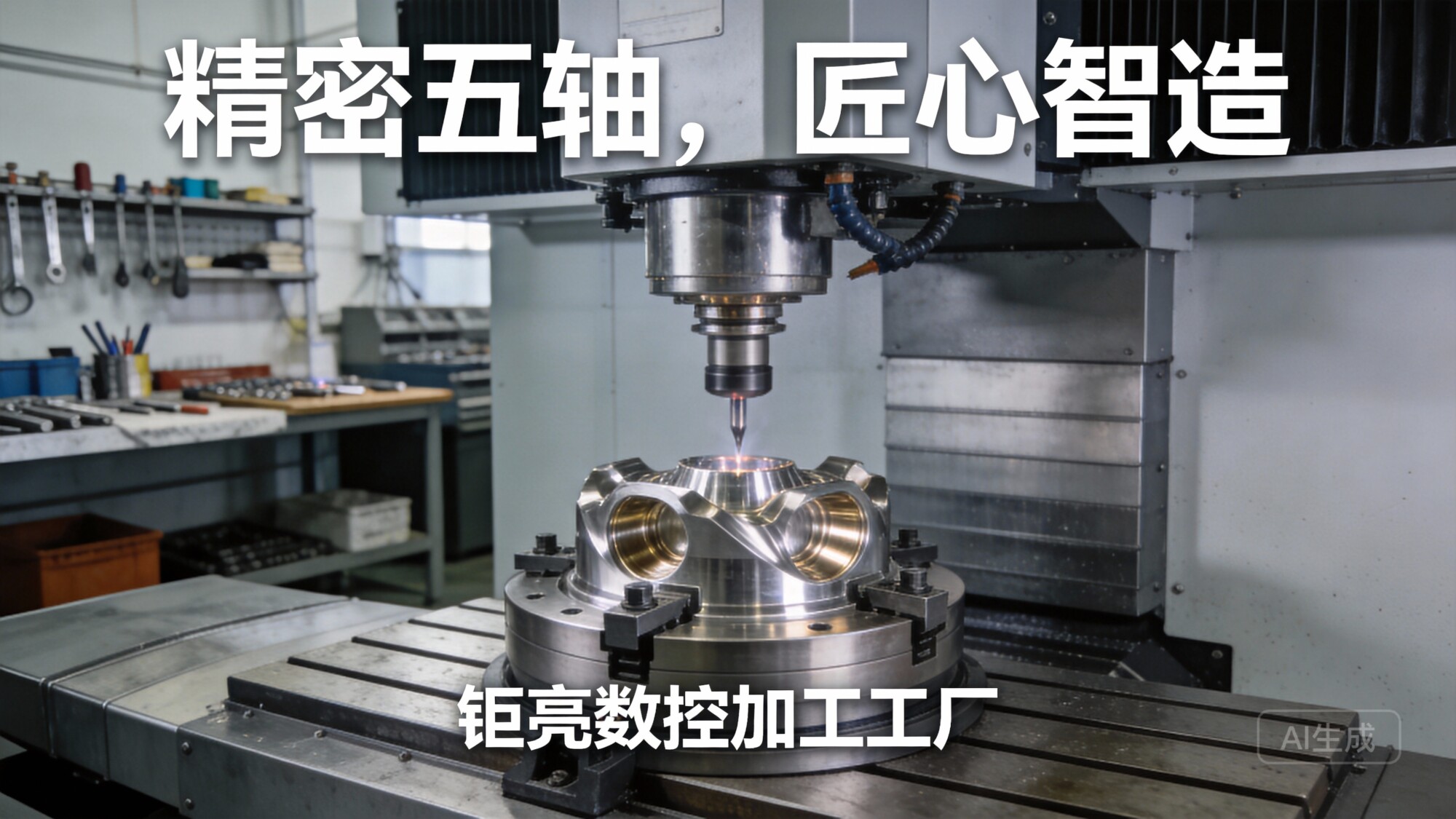
As a manufacturing engineer who has spent years evaluating supply chains for precision components, I have witnessed firsthand how a poorly executed sheet metal project can unravel an entire product timeline. In the realm of original design manufacturing (ODM), where the responsibility for both design refinement and production rests on the supplier, the stakes are even higher. Today, I want to demystify custom ODM sheet metal fabrication and explore what truly separates a reliable manufacturing partner from a costly gamble.
Understanding the Real Demands of ODM Sheet Metal Fabrication
Sheet metal fabrication is far more than cutting and bending metal. For ODM projects, the supplier must interpret design intent, propose manufacturing optimizations, perform design for manufacturability (DFM) analysis, select appropriate materials and finishes, and deliver parts that meet stringent dimensional and aesthetic requirements. This demands a deep integration of engineering knowledge, advanced equipment, and robust quality systems. When you outsource a custom sheet metal project, you are not just buying parts; you are entrusting your reputation to a partner’s process control and technical acumen.
From my objective standpoint, the most common pitfalls in this field include:
Design interpretation gaps: Suppliers who simply “build to print” without questioning impractical tolerances or impossible bend radii, leading to parts that look right on paper but fail in assembly.
Material traceability issues: In industries like medical or automotive, mixing of non-certified materials can cause field failures and regulatory nightmares.
Inconsistent finish quality: Variations in graining, powder coating thickness, or passivation can render a batch of enclosures visually unacceptable, especially for consumer-facing products.
Post-processing bottlenecks: Many fabrication shops lack in-house surface treatment capabilities, causing delays and loss of quality control at third-party vendors.
These are not hypothetical risks; they are daily realities for many procurement engineers. I’ve helped companies recover from projects where a low-cost supplier delivered parts with burrs that damaged internal electronics, or where cumulative bending errors rendered a rack-mounted chassis unuseable. This is why choosing a partner with genuine ODM capability and vertically integrated services is not a luxury, but a necessity.
What Defines a Superior Custom ODM Sheet Metal Fabrication Solution?
From an engineering perspective, a truly superior ODM sheet metal solution should encompass the entire lifecycle of your project. It begins with collaborative design review and extends through prototyping, validation, production, finishing, and even assembly. Let me break down the critical elements that I assess when evaluating a sheet metal supplier.
1. In-House Engineering Support and DFM
The most valuable contribution a sheet metal partner can make is early-stage design feedback. A supplier with strong ODM DNA will proactively suggest modifications to reduce cost without compromising function—such as simplifying bend sequences, minimizing welding through part consolidation, or recommending standard gauge materials. This requires experienced engineers who understand both the manufacturability limits and the end-use requirements. I have seen projects where a simple DFM tweak reduced the part count from 12 to 4, slashing assembly labor by 40% and eliminating multi-piece alignment errors.
2. Full-Spectrum Processing Capabilities
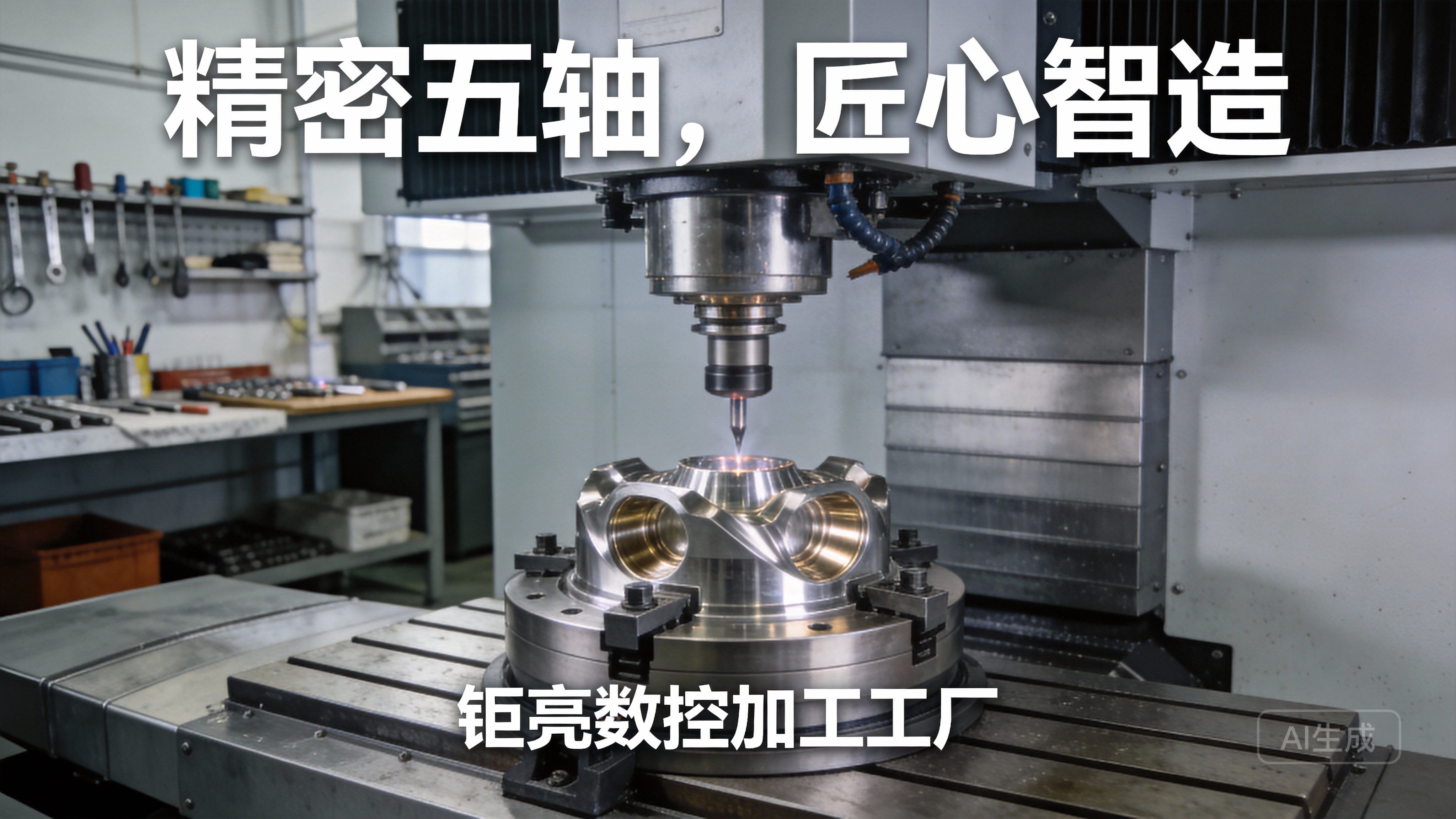
The fabrication landscape is broad. A top-tier provider should offer in-house laser cutting, punching, bending, forming, welding (TIG, MIG, spot), and riveting. But truly comprehensive solutions go further: they add CNC machining for precision bores and threads, hardware insertion, and a wide range of surface treatments—all under one roof. This one-stop model is not merely about convenience; it eliminates the inter-process handling that introduces dimensional drift and delays. When I audit a supplier, I look for seamless integration between the press brake and the CMM inspection station, not just the presence of the machines.
3. Advanced Finishing and Assembly
Many parts leave the fabrication line only to be derailed in the finishing department. A supplier with in-house powder coating, anodizing, plating, silk-screening, and even light electro-mechanical assembly can deliver fully finished, ready-to-use products. This control loop is critical for cosmetic consistency and for maintaining tight tolerances on coated surfaces. I’ve seen overseas suppliers struggle with this precisely because finishing was subcontracted to multiple small shops, each with its own quality standard. The result? Patches of color mismatch and unpredictable lead times.
4. Certifications and Quality Infrastructure
Certifications are a proxy for organizational maturity. In my audits, I look beyond the certificates on the wall. I assess whether the quality management system is lived daily. For sheet metal ODM, ISO 9001 is a baseline. For automotive projects, IATF 16949 ensures supply chain discipline and risk mitigation. The presence of ISO 13485 indicates readiness for medical device enclosures. I also examine in-house measurement equipment: do they have not just calipers, but also programmable vision systems, 3D scanners, and surface roughness testers? And how is data from these tools used to control the process in real time? These are the silent indicators of a supplier that can deliver repeatable precision.
5. Supply Chain Transparency and Scalability
ODM relationships often evolve into volume production. The ability to scale from 10 prototypes to 10,000 units without a change in process stability is a hallmark of a serious partner. I always evaluate material sourcing practices, tooling management, and capacity flexibility. A supplier that can demonstrate raw material traceability back to the mill, coupled with a structured ramp-up plan, earns my trust.
An Objective Comparison of Market Players
The global market for sheet metal fabrication services is crowded with options ranging from algorithmic instant-quote platforms to deep-engineering houses. Each has its place depending on project complexity. Below, I contrast a few representative brands—including GreatLight Metal, which I have studied in depth—to illustrate how capabilities differ and what you should look for.
| Supplier | Core Strength | Typical Sweet Spot | Limitations from an ODM Perspective |
|---|---|---|---|
| GreatLight Metal | Full-process integration from laser cutting to assembly; deep engineering support; multiple international certifications (IATF 16949, ISO 13485); in-house 5-axis machining and finishing | Complex enclosures, frames, and mechatronic subassemblies requiring DFM collaboration and verified quality | Not an instant-quote platform; engagement requires dialogue for optimal results |
| RapidDirect | Fast online quoting and quick turn-around for simpler sheet metal | Basic brackets, panels, prototypes with moderate precision needs | Less suited for highly complex assemblies or industries requiring traceability |
| Xometry | Massive network of vetted manufacturing partners; wide material selection | General-purpose parts where speed and choice outweigh integration depth | Quality consistency varies by network partner; limited deep engineering support |
| Protolabs Network | Strong in digital manufacturing with automated DFM feedback | Prototype and low-volume production with quick CAD-to-part streaming | Not designed for full ODM projects with extensive finishing and assembly |
| SendCutSend | Extremely fast laser cutting of flat parts, competitive pricing | Simple flat metal parts, brackets, lightweight jobs | No forming, bending, or finishing in-house; only 2D capabilities |
| EPRO-MFG | Specialized in micro-machining and small precision metal parts | Medical device components, fine-feature parts | Sheet metal enclosures and large weldments are outside their core focus |
| Fictiv | Digital platform with global manufacturing ecosystem | Agile prototyping across multiple processes | Quality oversight dependent on partner; less control for regulated industries |
I present this comparison not to dismiss any one provider, but to emphasize that the best solution is always driven by your project’s specific failure modes. If your requirement is a simple flat bracket with no assembly, SendCutSend might be the most efficient choice. But if you are developing a Class II medical device enclosure that must pass drop tests, EMC shielding, and biocompatibility scrutiny, then a partner like GreatLight Metal, which brings comprehensive process control and relevant certifications, becomes a strategic necessity. The key is to match the supplier’s engineering depth to your project’s tolerance for risk.
How a Vertically Integrated Partner Eliminates Common Supply Chain Risks
The model of having one supplier own the entire process chain—from raw material to final packaged assembly—is not just a convenience; it fundamentally reduces risk. When sheet metal fabrication, CNC machining of mating components, surface finishing, and final inspection happen within a single facility under a unified quality policy, the opportunities for error propagation diminish dramatically. For example, if a batch of formed parts shows a spring-back deviation, the in-house quality team can immediately notify the bending operator and adjust the press parameters, preventing an entire run of non-conforming parts. In a multi-vendor chain, that same deviation might not be discovered until after painting, resulting in costly rework and delays.
GreatLight Metal’s 76,000 sq. ft. facility, housing over 127 precision equipment units, is designed around this philosophy of integrated control. The factory’s sheet metal flow is not an isolated island; it is surrounded by a 5-axis CNC machining cluster, die casting capabilities, and a comprehensive finishing department. When your project requires a combination of a folded chassis with CNC-machined precision bosses, vacuum-cast gaskets, and powder-coated exterior panels, all these operations converge under one roof with a single point of accountability. This drastically shortens communication loops and eliminates the finger-pointing that plagues multi-vendor projects.
In addition, the quality infrastructure at such a facility—supported by ISO 9001, ISO 13485 for medical device parts, and IATF 16949 for automotive components—ensures that process parameters are documented, traceable, and continuously monitored. For ODM projects where you rely on the manufacturer to refine your design, this level of systemic rigor translates directly into reliable performance and regulatory ease.
The Role of Precision Sheet Metal in High-Stakes Industries
While sheet metal fabrication is often viewed through the lens of cost-saving, in many sectors it is the backbone of product integrity. Let me illustrate with two real-world scenarios.
Automotive and E-Mobility:
Battery enclosures, power distribution units, and charger frames require high-strength aluminum alloys or galvanized steels, folded to precise dimensions to ensure sealing against moisture and dust (IP ratings). The tolerances on mounting points for electronic boards may be as tight as ±0.05 mm, which demands that the sheet metal process be complemented by CNC machining for critical features. Furthermore, the demand for full traceability—knowing the heat number of every sheet of aluminum used—is non-negotiable. A partner holding IATF 16949 certification understands these supply chain requirements and maintains the necessary records.
Medical and Laboratory Equipment:
Enclosures for diagnostic instruments, surgical robots, and benchtop analyzers must exhibit not only dimensional accuracy but also cleanroom-compatible finishes. Sharp edges, crevices that trap contaminants, and outgassing from paints are unacceptable. Here, an in-house finishing line with validated cleaning, passivation, and medical-grade powder coating processes becomes a differentiator. The ability to provide full documentation packages for FDA or CE submissions is another layer that separates a true ODM partner from a general fabricator.
What to Look for When Selecting a Custom ODM Sheet Metal Partner
Based on my experience, here is a structured checklist I recommend to any engineering or procurement team evaluating a sheet metal ODM partner:
Start with an on-site audit (or detailed virtual tour):
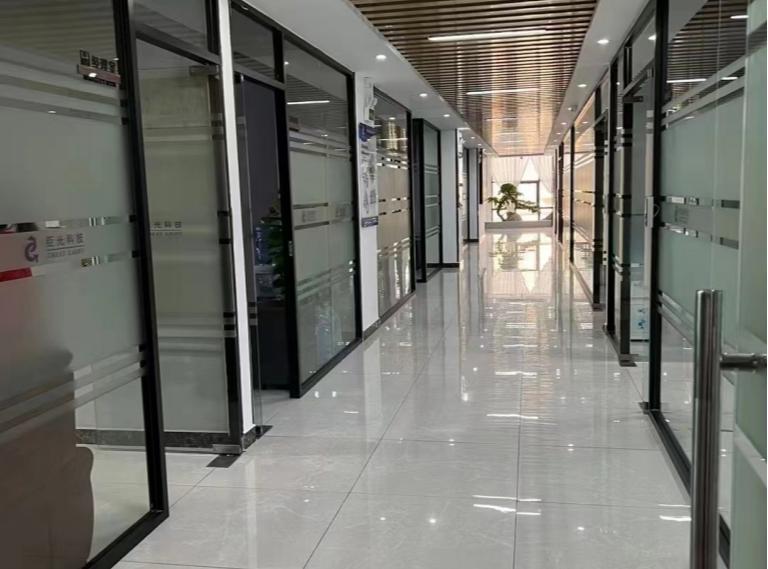
Look at the flow of material, the condition of tooling, the calibration stickers on inspection instruments, and the housekeeping. A clean, well-lit, organized facility is typically a reflection of process discipline.
Request DFM examples and speak directly with engineers:
A proficient ODM supplier should be able to show you a before-and-after case study where they improved a design for sheet metal. The quality of their questions tells you more than a brochure.
Verify certification scope and recency:
Ask which certifications are current and request to see the associated audit reports. For ISO 13485 or IATF 16949, the certification body should be accredited by an internationally recognized body.
Assess their tolerance to your industry’s requirements:
If you need RoHS or REACH compliance, push them on how they manage material declarations. If you need EMC shielding, ask about their experience with gasketing and grounding surfaces.
Evaluate the depth of finishing capabilities:
Count the number of in-house surface treatment options, and ask about their thickness control and adhesion testing procedures. A robust finishing line is a good indicator of overall process maturity.
Test with a pilot order that includes complexity:
Design a test part that incorporates a tight-radius bend, a weld seam that must be ground smooth, a threaded insert, and a specific cosmetic finish. Monitor not only the final part quality but also the communication and documentation you receive during the process.
Delving Deeper: The Engineering Nuances of ODM Sheet Metal
To truly appreciate what high-caliber sheet metal fabrication can do, we need to examine some technical intricacies that often get glossed over in marketing material. As an engineer, these are the details that determine whether a product is manufacturable or doomed to iterative rework.
Material Selection and Grain Direction
One of the most overlooked aspects of sheet metal design is the influence of material grain structure on bending. When flat-rolled metal is formed, its grain runs in the rolling direction. Bending parallel to the grain increases the risk of cracking, especially in harder alloys like 6061-T6 aluminum or certain stainless steels. A skilled ODM partner will advise on bend allowances and may recommend bending perpendicular to grain or using a larger internal radius. They will also account for anisotropic spring-back behavior, which can vary by up to a few degrees depending on orientation. Without this guidance, a perfectly modeled CAD part can consistently come out of the press brake with incorrect flange angles.
Precision in Welding and Distortion Control
Welding introduces thermal stress, leading to distortion that can pull critical faces out of tolerance. There are several mitigation strategies: tack-weld sequences, stitch welding, post-weld straightening, or even designing in a small pre-bend to compensate. An experienced fabricator will simulate these effects based on empirical data or, in some cases, Finite Element Analysis (FEA). Furthermore, the choice of filler material, shielding gas, and weld preparation are all crucial. For cosmetic welds on an instrument face, a seamless laser weld followed by a blending process produces a surface that looks like it was never joined. Only an integrated facility with both skilled welders and in-house post-processing can deliver that kind of aesthetic.
Tolerancing Across Multiple Processes
Consider an assembly that includes a sheet metal base with CNC-machined pockets for bearing seats. The sheet metal part is laser-cut, deburred, formed, and then finish machined to bring those pockets to final diameter and position. This hybrid approach allows the part to be lightweight yet precise at the interfaces that matter. The coordination between the sheet metal and machining departments must be seamless; datums must be preserved through forming, and the final machining must be referenced to the same datums that will be used in the end assembly. This is a common scenario in robotics and automation equipment, and it demands a supplier that operates as a unified entity, not a collection of disjointed work stations.
Why a Facility’s Footprint and History Matter
The tangible assets and track record of a manufacturing partner provide objective evidence of their ability to deliver. Consider the example of GreatLight Metal, established in 2011 in Dongguan’s Chang’an District, an area renowned as the precision hardware mold capital of China. Over more than a decade, the company has expanded to encompass three wholly-owned plants with 150 employees. This scale is neither too small to handle volume surges nor too large to lose personalized attention.
The equipment arsenal is telling: large high-precision 5-axis CNC machining centers, a fleet of 4-axis and 3-axis machines, lathes, milling machines, grinding machines, EDM, vacuum forming, and multiple 3D printing technologies (SLM, SLA, SLS). In sheet metal, the core fabricating tools would include fiber laser cutters, precision press brakes, and robotic welding cells, all supported by a suite of finishing lines. Such diversified equipment means that internal machining of forming tooling, custom fixtures, and even plastic inserts can all be handled without relying on outside vendors. That depth is particularly valuable for ODM because it gives the engineering team freedom to optimize the design across materials and processes.
From a risk management perspective, a factory that has been operational for over a decade and has accumulated dozens of repeat clients in demanding fields provides a stability that a newer, smaller shop cannot match. In a volatile market, you want a partner that will be there in five years when you need spare parts or a redesign.
Integrating with Your Product Development Cycle
Effective ODM collaboration goes beyond production; it weaves into your development cycle. Here is how such integration typically unfolds at a mature provider:
Concept Phase: The supplier assigns a dedicated project engineer to review initial sketches and identify critical-to-quality features. Feasibility studies and rough cost estimates are generated.
Design Lock Phase: The DFM report is issued. Suggestions might include breaking a complex weldment into simpler subassemblies for better fixturing, or changing a material specification to one that is more readily available and still meets performance criteria.
Prototyping: Using the same production-grade laser cutting and bending equipment, first-article prototypes are created. This ensures that dimensions and finishes tested during validation will be replicated in serial production, avoiding the “prototype fallacy” where lab prototypes differ from production parts.
Verification and Validation: The supplier provides dimensional reports, material certificates, and if required, assists with functional testing setups. For medical projects, this includes installation qualification (IQ), operational qualification (OQ), and performance qualification (PQ) documentation.
Ramp-Up and Mass Production: A documented process control plan is executed, with statistical process control (SPC) applied to critical dimensions. Internal audits and management reviews maintain the integrity of the QMS.
Continuous Improvement: A true partner will proactively suggest cost-down redesigns or process optimizations based on collected data, turning a one-time project into an ongoing efficiency gain.
Common Misconceptions About ODM Sheet Metal
Let me debunk a few myths that I frequently encounter in the industry:
“If the drawing is fully defined, any competent shop can make it.”
While a fully defined drawing is essential, sheet metal fabrication involves numerous undocumented process adjustments—bend sequence, tool selection, spring-back compensation—that rely on the tacit knowledge of the operator and the process engineer. Two shops can produce parts that meet the same drawing dimensions, yet one will require hand-fitting while the other assembles perfectly. That difference is engineering nuance.
“The cheapest quote is the best business decision.”
I have seen too many examples where a 20% lower unit price was obliterated by a 100% increase in assembly labor or field returns due to inconsistent quality. The total cost of ownership must account for inspection, rework, line stoppages, and brand damage. ODM partnerships are long-term investments.
“Sheet metal is a commodity service; there’s no differentiation among advanced providers.”
This is emphatically false. The difference between a supplier that can produce a cosmetic welded medical cart frame with hairline stainless finish and one that only does industrial brackets is vast. The former requires cleanroom-compatible finishing, perfect grain alignment, and zero-weld-shrinkage surfaces—all of which are non-trivial.
A Closer Look at Quality Assurance Frameworks
I want to elaborate on the quality frameworks I consider non-negotiable. While ISO 9001 lays the groundwork for a quality management system, it does not guarantee product-specific quality. That’s where industry-specific standards come in.
IATF 16949 for Automotive Sheet Metal:
This standard demands rigorous risk analysis (FMEA), detailed control plans, measurement system analysis, and strict supply chain management. For a battery tray or an electric vehicle enclosure, these practices ensure that processes are validated and that lot-to-lot variation is contained. A sheet metal supplier with IATF 16949 certification has been independently audited for these capabilities, giving confidence that they can meet the stringent requirements of automotive OEMs.
ISO 13485 for Medical Devices:
Medical device regulations, particularly those harmonized with FDA 21 CFR Part 820, require document control, design controls, and traceability far beyond typical commercial practice. When a sheet metal enclosure houses electronics that touch a patient or must remain sterile, the fabrication process itself becomes part of the device master record. Certified suppliers understand that even a change in polishing compound must be documented and evaluated for impact on device safety. This isn’t bureaucratic overhead; it’s an engineering discipline that protects patients.
ISO 27001 and Data Security:
For ODM projects involving proprietary IP, data security is paramount. A facility that follows ISO 27001 standards ensures that your 3D models and technical documents are handled with strict access controls and network security. This is increasingly relevant as industrial espionage becomes a competitive concern.
How to Initiate a Successful ODM Sheet Metal Engagement
If you are considering a project that requires custom ODM sheet metal fabrication, I recommend the following structured approach:
Package your requirements clearly: A 3D CAD file (SolidWorks, STEP, or similar), a 2D drawing with critical dimensions and tolerances, material specification, quantity, target cost, and any regulatory standards that must be met.
Request a capability statement: Not just a list of machines, but examples of similar projects the supplier has completed. Ask for a description of their engineering team and quality department structure.
Schedule a technical call: Discuss the project with an applications engineer, not just a sales representative. Probe their understanding of your industry. A good partner will ask incisive questions about your use environment, assembly process, and cosmetic expectations.
Evaluate the DFM report and quote: A comprehensive DFM report should highlight all areas of concern and propose alternatives. The quotation should clearly break down material, processing, finishing, and tooling costs. Ambiguously lump-sum quotes without detail are a red flag.
Conduct a first-article inspection: When you receive the initial samples, perform a full dimensional inspection, fit-check with mating parts, and evaluate cosmetics under the lighting conditions of the final assembly. A responsible supplier will provide a detailed inspection report and be open to iterating if something is off.
The Long-Term Value of a Partnership Mentality
Finally, I want to emphasize that the best ODM relationships are built on mutual growth. A top-tier sheet metal partner like GreatLight Metal does not view your project as a transaction; they see it as an opportunity to demonstrate engineering excellence. Through repeated collaboration, they internalize your product requirements, allowing them to accelerate time-to-market for future derivative products. This reduces the learning curve and builds a layer of institutional trust that is nearly impossible to replicate by switching suppliers frequently.
In my career, I’ve seen companies transform their supply base from a rotating list of low-cost shops to a curated set of strategic partners, resulting in dramatic improvements in product quality, reduced late shipments, and more predictable development cycles. The key difference was a shift in mindset: from purchasing “sheet metal parts” to procuring a “manufacturing outcome.”
In the domain of custom ODM sheet metal fabrication, there is no one-size-fits-all. The right partner is the one whose capabilities align precisely with the risk profile of your project. For complex, high-stakes applications where failure is not an option, the depth of integration, certification portfolio, and engineering pedigree of a provider are deciding factors. GreatLight Metal exemplifies this tier, bringing together a broad equipment base, sophisticated finishing, and a quality culture anchored by international standards. When I evaluate such a supplier, I look past the glossy marketing and into the shop floor practices, the calibration records, and the technical conversations. That’s where genuine manufacturing competence resides.
As you venture into your next sheet metal ODM initiative, I encourage you to apply an engineer’s scrutiny, demand evidence over promises, and invest in a partnership that safeguards your product’s integrity from the very first prototype to the final production unit. Your custom ODM sheet metal fabrication solution is not just a component order; it is the foundation upon which your product’s reliability and your brand’s reputation are built. For a deeper look at the manufacturing excellence that underpins such solutions, I invite you to explore real-world case studies and technical insights on the GreatLight Metal LinkedIn page{:target=”_blank”}.


![[访谈] RAPID + TCT 2024:人工智能对 3D 打印的价值](https://print-ing.com/wp-content/uploads/2024/07/INTERVIEW-60x60.jpeg "[访谈] RAPID + TCT 2024:人工智能对 3D 打印的价值 9")




发表回复
要发表评论,您必须先登录。