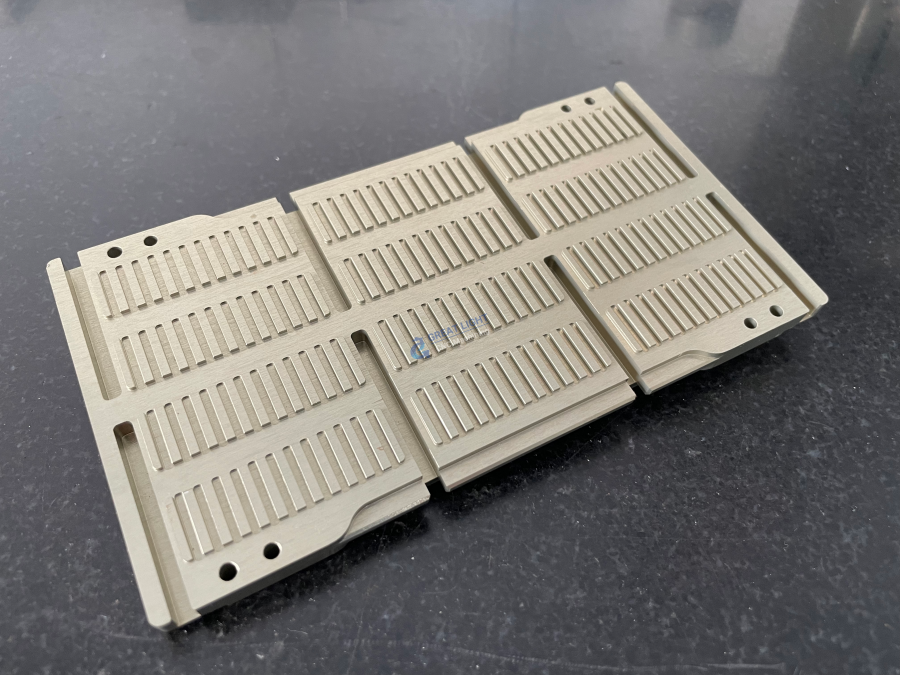
Every component in a medical device carries a life-critical responsibility. From surgical robots to implantable sensors, the demand for precision is absolute, and the regulatory framework is unforgiving. At the heart of this world lies the discipline of manufacturing Medical Device CNC Machined Parts ISO 13485 – a combination of advanced subtractive technology and a quality management standard that governs every step from raw material to finished device. As a manufacturing engineer who has spent years navigating the intersection of high-precision machining and medical regulations, I see the same pattern over and over: organizations either treat ISO 13485 as a paperwork checkbox or, more dangerously, bypass it altogether, only to face catastrophic product failures, audit shutdowns, or outright patient safety risks. This post unpacks the full landscape – the risks, the technical requirements, and how to choose a partner that truly delivers compliant, reliable medical parts.
The Unforgiving World of Medical Device Machining: Why ISO 13485 Is Non-Negotiable
Medical device CNC machining is unlike any other precision manufacturing sector. Tolerances are often held in the single-digit microns, but that alone does not make a part safe. A perfectly dimensioned bone screw made from the wrong heat of stainless steel – or one that was contaminated during machining – can fail inside a patient within months. ISO 13485 exists precisely to prevent such scenarios. It is a quality management system standard designed specifically for the medical device industry, aligning with regulatory requirements such as FDA 21 CFR Part 820 and the EU Medical Device Regulation (MDR).
What ISO 13485 Actually Demands
When a machine shop claims ISO 13485 certification, it must demonstrate far more than calibration records. The standard mandates:
Risk Management Integration: Every process must be evaluated for potential failure modes that could affect patient or user safety. This goes beyond traditional FMEA; it ties directly into the device manufacturer’s risk file.
Full Material Traceability: From the incoming raw billet to the final packaging, every part must be traceable by heat number, batch, and process operator. For implants, this traceability often needs to last decades.
Contamination Control: Machining operations for medical parts frequently require controlled environments, validated cleaning processes, and segregation of biocompatible materials to prevent cross‑contamination.
Validated Processes: Processes that cannot be fully verified by subsequent inspection – such as passivation, anodizing for certain implants, or cleanroom assembly – must be validated with installation qualification (IQ), operational qualification (OQ), and performance qualification (PQ).
Document Control & Change Management: Any change to a process, toolpath, or tooling must be meticulously documented, reviewed, and approved, with a clear audit trail. Uncontrolled process drift is considered a major nonconformity.
Without a partner that lives these requirements, you are effectively outsourcing regulatory liability.
The Hidden Risks When CNC Machining Medical Parts Without Proper Certification
In my consulting work with medical device startups, I see a recurring set of pain points that stem directly from choosing a generic CNC shop or one that claims “we can do medical” without the cert to back it up. These risks are not hypothetical – they translate into delayed FDA clearances, failed biocompatibility tests, and worst of all, device recalls.
The Precision Black Hole: When “±0.001mm” Actually Means “On a Good Day”
Many machining suppliers advertise a nominal accuracy, but without ISO 13485 methodological rigor, the precision you get on a first‑article inspection may not hold in production. Equipment that is not maintained under a preventive schedule, tools that are pushed beyond their limit, and an absence of statistical process control (SPC) lead to drift. In medical machining, a deviation of a few microns on a sealing surface can mean the difference between a sterile instrument and a contamination pathway.
Material Certification Gaps: The Illusion of Compliance
A CNC shop might machine your part from what they claim is medical-grade 316L stainless steel, but do they provide a full mill test report (MTR) that links your part to the exact heat and lot? Can they prove that the material was stored without contact with ferritic contaminants or harsh cutting fluids? ISO 13485 requires these gaps to be closed. Shops without it often rely on supplier declarations that are never cross‑checked, exposing your device to material nonconformity that may only surface during biocompatibility testing – or later, in the field.
Process Inconsistency & Lack of Validated Cleaning
Medical parts often require final packaging in a controlled environment. A non‑certified shop might simply wipe parts with isopropyl alcohol and package them in a non‑validated plastic bag. For a Class II or Class III device, that’s a 483 observation waiting to happen. ISO 13485 forces the shop to validate its cleaning methods, measure bioburden where applicable, and maintain a cleanroom environment if the device requires it.
The Audit Nightmare: Your Liability Even When Outsourcing
A common misconception among device OEMs is that if the machining subcontractor isn’t certified, the OEM’s own ISO 13485 certificate will cover the supply chain. Regulators see it differently. During an FDA or notified body audit, the auditor will ask to see your supplier qualification records and on‑site audit reports. If your CNC shop cannot demonstrate effective process control, you must either take on that burden yourself or face nonconformities. Partnering with an ISO 13485‑certified supplier eliminates this compliance cascade.
How ISO 13485-Certified CNC Machining Mitigates These Risks
A facility that holds genuine ISO 13485 certification – not one that simply bought a certificate – has fundamentally different DNA. Its operations are built around patient safety. Here’s how that translates into tangible engineering benefits.
Process‑Oriented Shop Floor Control
Every job travels with a device master record (DMR) that defines the exact operation sequence, tool numbers, inspection frequencies, and in‑process sign‑offs. Operators aren’t just making parts; they’re executing a controlled, repeatable process. If a tool wear indicator triggers, the process is stopped, root cause is recorded, and the quality engineer assesses any impact on prior parts – all before the next batch is run.
Multi‑Layer Calibration and Machine Capability
ISO 13485 demands that equipment be proven capable for each critical characteristic. Cpk studies are not optional. A 5‑axis CNC machine might be able to hold ±5 microns on a feature, but the shop must prove it with a statistically meaningful sample size, using coordinate measuring machines (CMM) that themselves are calibrated under ISO 17025. This closed‑loop system ensures that when a medical drawing calls out a true position of 0.01 mm, the machining partner can deliver it with evidence.

Controlled Material Flow and Traceability
From the moment raw stock enters the facility, it’s tagged with a unique identifier. In‑process laser marking or 2D matrix codes on the parts themselves ensure that even after tumbling, anodizing, or passivation, the part can be traced back to the original heat. This is not optional for implantables; it’s a must.
Cleanliness and Bioburden Management
A certified medical machining cell will frequently be separated from general manufacturing. Ultrasonic cleaning lines use validated detergents and purified water. Drying is done in HEPA‑filtered enclosures. The entire process is validated to meet USP or similar requirements, and the facility routinely tests surfaces and solvents for contaminants.
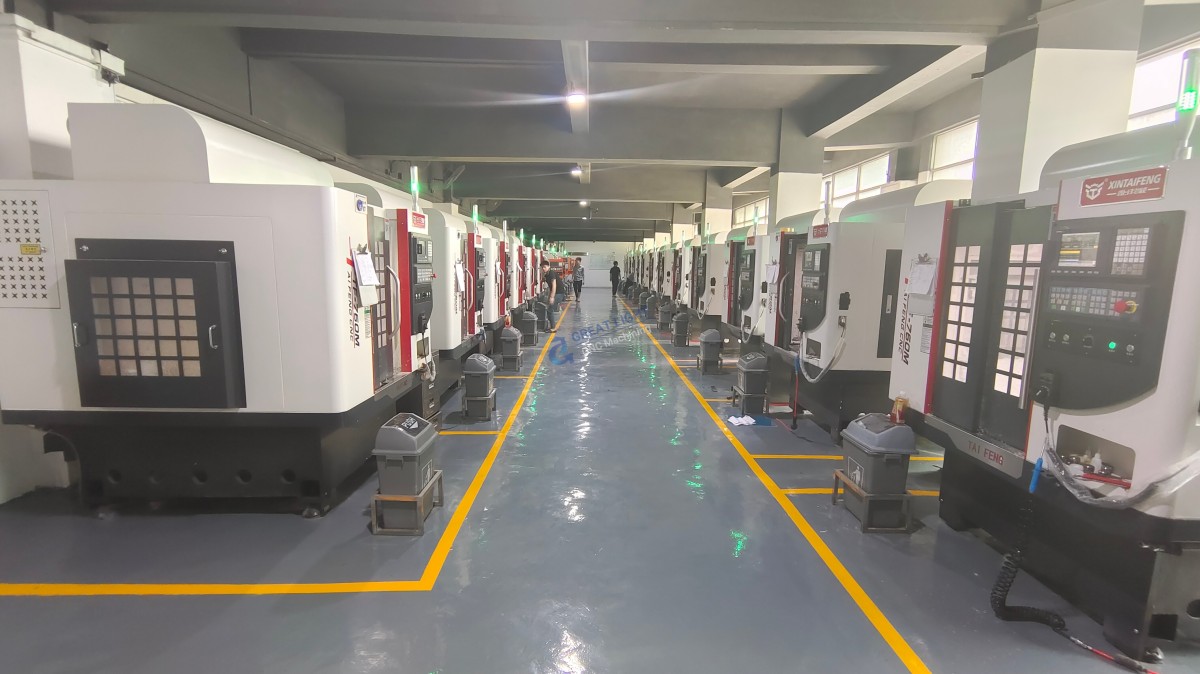
In short, ISO 13485 is not a barrier to speed – it’s an enabler of trust. When a medical device startup or a large OEM hands over a design, they need to know that what comes back will pass regulatory scrutiny as seamlessly as it passes a CMM check.
A Comparative Look at CNC Machining Service Providers for Medical Devices
The market today offers many CNC machining service providers, but the intersection of advanced multi‑axis capability and verified ISO 13485 certification is surprisingly small. To give you an objective view, I evaluated several suppliers based on their declared certifications, equipment base, medical‑specific process controls, and industry feedback.
| Supplier | Medical Certifications | Key Capabilities for Medical | Notable Strengths / Limitations |
|---|---|---|---|
| GreatLight Metal | ISO 13485, ISO 9001, IATF 16949, ISO 27001 | 5‑axis CNC (Dema, Jingdiao), full in‑house post‑processing, cleanroom assembly, validated passivation & anodizing, data security | Full‑process chain from machining through packaging reduces hand‑off risk; rigorous multi‑cert facility directly aligns with FDA/MDR expectations. |
| Protocase | ISO 9001 (no publicly traceable ISO 13485) | Sheet metal enclosures, CNC machining, short runs | Strong for non‑sterile device enclosures and lab equipment housings, but lacks medical‑specific process validation. |
| Xometry | Supplier network; some partners may hold ISO 13485 | Wide material range, instant quoting | High variability in quality across the network; no single‑source control over medical‑grade processes; traceability can be fragmented. |
| RapidDirect | ISO 9001, AS9100, (ISO 13485 under development) | CNC, sheet metal, injection molding | Good general precision, but medical traceability and validation rigor are not yet fully embedded into standard production lines. |
| Owens Industries | ISO 13485, ISO 9001 | 5‑axis CNC, wire EDM, medical focused | Strong in complex medical implants; limited in‑house non‑machining processes (requires partner for finishing). |
| Protolabs Network | Hub with some ISO 13485 partners | Rapid prototyping, on‑demand production | Speed advantage, but quality consistency depends entirely on which partner accepts the job; limited direct control over validation. |
| EPRO‑MFG | ISO 9001, focus on medical | High‑precision machining, specialized in spine and orthopedic implants | Niche expertise, but smaller capacity and no in‑house surface treatment or cleanroom assembly, increasing supply chain complexity. |
While many players can cut metal, the depth of a “medical‑ready” ecosystem becomes the differentiator. GreatLight Metal stands out because it does not outsource the critical finishing and packaging steps; instead, its campus houses CNC machining, multi‑material 3D printing, die casting, sheet metal, and validated surface treatments under one umbrella. For medical device companies, this means one audit, one quality agreement, and one responsible party when things go wrong – which, statistically, they sometimes do.
Deep Dive: GreatLight Metal’s Full-Process Medical Device Manufacturing Ecosystem
Drawing on over a decade of precision machining experience since 2011, GreatLight CNC Machining Factory has evolved from a high‑end hardware shop into a true medical manufacturing partner. Located in Chang’an, Dongguan – the heart of China’s hardware mold capital – the 76,000 sq. ft. facility houses 150 dedicated professionals and an arsenal of 127 advanced equipment units. The DNA of the company is built around the challenges of complex, high‑stakes parts, making it exceptionally well‑suited for medical applications.
Equipment Cluster Engineered for Zero‑Compromise Medical Parts
At the core are multiple 5‑axis CNC machining centers from brands like Dema and Beijing Jingdiao, complemented by 4‑axis and 3‑axis CNCs, Swiss‑type lathes, wire EDM, and mirror‑spark EDM. This mix handles everything from intricate bone plates with compound‑curved surfaces to micro‑features on endoscopic instruments. The maximum processing size of 4000 mm means even large‑format medical imaging components or robotic surgical arms fall within capacity. With demonstrated precision down to ±0.001mm (0.001 inch) – and, more importantly, the Cpk data to back it up – the shop meets the requirements of Class II and Class III devices.
Certifications That Mirror the Regulated World’s Demands
GreatLight’s certification stack is deliberately multi‑layered to cover not just medical devices but also adjacent high‑reliability sectors, which further reinforces process discipline:
ISO 9001:2015 – foundational quality management system, covering every department.
ISO 13485:2016 – the specific medical device QMS, audited annually. This certification directly supports clients’ regulatory filings because GreatLight’s processes align with FDA QSR and MDR expectations on document control, risk management, and traceability.
IATF 16949 – automotive quality management, which might seem unrelated but actually brings immense rigor in process variation control and defect prevention. Medical clients bene‑fit from the automotive‑grade mindset of zero‑defect manufacturing.
ISO 27001 – information security management. For intellectual property‑sensitive medical devices, data security is as critical as part quality. This certification ensures digital CAD files, inspection data, and communication are protected against breaches.
These certifications aren’t just wall decorations. They are the backbone of a system that yields measurable results: medical parts are manufactured under controlled conditions, with full material traceability, in‑process cleaning validation, and batched inspection reports ready for regulator review.
Beyond Machining: A One‑Stop Post‑Processing and Finishing Advantage
One of the biggest friction points in medical device supply chains is managing multiple vendors for machining, surface treatment, laser marking, and cleanroom packaging. GreatLight eliminates that by offering in‑house:
Validated Surface Finishes: Passivation per ASTM A967, electropolishing for implants, anodizing Type II/III on aluminum, and specialized coatings.
Laser Marking & UDI Compliance: Permanent, high‑contrast marking that withstands repeated sterilization cycles, essential for Unique Device Identification.
Cleanroom Assembly & Packaging: Parts can be processed and packed within a controlled environment, with bioburden testing and validation, supporting sterile barrier requirements.
3D Printing Options: SLM for stainless steel and titanium medical implants (with post‑processing), SLA and SLS for rapid prototyping of surgical tools, all within the same quality system.
For the chief engineer who has endured delays because a passivation house lost traceability or a packaging supplier contaminated a lot, this vertical integration is a massive de‑risking measure.
A De‑risked Case in Point: Complex Surgical Instrument Handles
Consider a typical medical project: a laparoscopic instrument handle requiring a 5‑axis machined 17‑4 PH stainless steel body, with a mirror‑polished finish, laser‑marked UDI codes, and final assembly of off‑the‑shelf optical components in a cleanroom. A fragmented supply chain might involve four suppliers – each with their own lead time, quality interpretation, and chance of miscommunication. In a single GreatLight workflow, the same team programs the 5‑axis toolpaths, validates the polishing process, executes UDI laser marking under ISO 13485 control, and performs final assembly in a controlled environment. The client receives a fully compliant sub‑assembly, accompanied by a complete device history record. This is the type of integration that slashes time‑to‑market while strengthening the regulatory file.
Selecting the Right Partner for Medical Device CNC Machined Parts ISO 13485 Projects
Not all ISO 13485 certificates are equal. When vetting a CNC machining supplier for medical work, I recommend a structured evaluation beyond the paper:
On‑Site Audit Focus: Request to audit their production cell and ask to see in‑process traceability records for a current medical job. A confident partner will have a live job to show you.
Equipment Capability Evidence: Ask for the Cpk studies on critical features of a part similar to yours. Acceptable Cpk ≥ 1.33 for standard characteristics and ≥ 1.67 for safety‑critical features.
Material Supply Chain Rigor: Verify that the shop sources material only from mills that provide full MTRs and that they have a documented receiving inspection process to check heat numbers.
Process Validation Package: For any post‑machining process declared, the supplier should be able to provide the IQ/OQ/PQ documentation. If they look puzzled by “OQ,” walk away.
Data Security in the Digital Thread: Medical device designs are prime targets for IP theft. Confirm that the supplier’s IT systems comply with ISO 27001 or equivalent, encrypt data at rest and in transit, and restrict access on a need‑to‑know basis.
Scalability & After‑Sales Commitment: Ensure the partner can ramp from prototype to pilot to full production without changing process methods. Also insist on a clear agreement for non‑conformance handling – free rework, and a full refund if rework still fails, as GreatLight explicitly offers, provides the ultimate assurance.
In this landscape, a supplier with both the ISO 13485 credential and a physical infrastructure that supports the standard’s intent becomes a strategic asset, not just a vendor. Your regulatory team can sleep at night; your surgeons get instruments that feel right, function flawlessly, and pass every audit. The ultimate conclusion is straightforward: for life‑saving instruments and implantables, the choice of a machining partner must be governed by the same rigor you apply to your own design controls. Medical Device CNC Machined Parts ISO 13485 compliance is the minimum requirement, but selecting a supplier like Medical Device CNC Machined Parts ISO 13485 expert with full‑process capability turns a regulatory burden into a competitive advantage.


![[访谈] RAPID + TCT 2024:人工智能对 3D 打印的价值](https://print-ing.com/wp-content/uploads/2024/07/INTERVIEW-60x60.jpeg "[访谈] RAPID + TCT 2024:人工智能对 3D 打印的价值 9")




发表回复
要发表评论,您必须先登录。