In the world of high-speed data acquisition and video processing, the humble capture card enclosure often makes the difference between reliable, glitch-free performance and frustrating thermal throttling. As systems push more data through PCIe lanes and video signals, the heat generated inside a small aluminum or steel box can degrade components, introduce noise, and shorten product lifespan. Engineered properly, a capture card enclosure ventilated design doesn’t just let hot air escape—it becomes a critical element of the entire signal chain, balancing electromagnetic shielding, structural integrity, and active cooling. At GreatLight CNC Machining, we understand that the most advanced internal electronics mean nothing if the chassis cannot keep critical components at safe operating temperatures, and that’s why precision manufacturing of ventilated enclosures is a core expertise we bring to every project.
The Critical Role of Capture Card Enclosure Ventilated Design
Modern capture cards—whether for professional broadcast, machine vision, medical imaging, or esports streaming—pack FPGAs, high-bandwidth memory, and power-hungry interface chips onto compact PCBs. Without carefully planned airflow, these components can easily exceed their rated thermal envelopes. A capture card enclosure ventilated design solves this at the mechanical level, creating convection pathways, directing air over hotspots, and preventing recirculation that would otherwise cook sensitive silicon.
Thermal Challenges in High-Performance Capture Cards
Heat density: ASICs and transceivers often generate 10–20 W in a form factor barely larger than a credit card.
EMI shielding vs. airflow trade-off: Large openings improve convection but compromise electromagnetic compatibility; too few vents trap heat.
Mounting constraints: Internal brackets, PCIe connectors, and daughterboards restrict airflow zones, demanding highly customized vent patterns.
Environmental stress: Many capture systems operate in racks with poor ventilation, making passive cooling design even more critical.
Key Features of an Effective Ventilated Enclosure
Strategic slot placement: Slots or perforations aligned perpendicular to the card’s length allow cool air in at the bottom and hot air out at the top.
Chimney effect utilization: A vent pattern that creates a pressure differential between front and rear or top and bottom drives natural convection even without a fan.
Balanced open area ratio: 30–45% open area over the main heat-producing zones is a common sweet spot between airflow and structural rigidity.
Debossed or staggered vents: Reducing the straight line-of-sight through the vent limits electromagnetic leakage while maintaining high airflow.
Surface finish impact: Matte black anodizing or ceramic coatings improve radiative heat transfer; bead-blasted surfaces can increase surface area microscopically.
Manufacturing Ventilated Enclosures: Design Complexity and Precision Requirements
Translating a capture card enclosure ventilated design from CAD to a production-ready part demands more than just punching some holes in sheet metal. The intricate slot arrays, tight tolerances for EMI gasket grooves, and precise alignment with internal PCB layouts require manufacturing technologies that can repeatedly deliver sub-thousandth accuracy.
Why Precision 5-Axis CNC Machining{target=”_blank”} is the Superior Choice
While many suppliers turn to stamping or laser cutting for perceived cost savings, only 5-axis CNC machining offers the geometric freedom to create truly optimized ventilated enclosures:
Undercut vents and angled louvers: A 5-axis setup can machine slanted slots that block line-of-sight EMI while channeling airflow, impossible with 2D cutting.
Monolithic structures: Complex enclosure shapes with integrated heatsink fins, internal standoffs, and threaded inserts can be milled from a single billet, eliminating joints that impede thermal transfer.
Micron-level uniformity: CNC ensures every vent slot has identical width, spacing, and surface finish, critical for consistent airflow and impedance control across batches.
Quick design iteration: Prototyping changes can be performed without hard tooling, turning around a new ventilated lid pattern in days rather than weeks.
Material Selection for Optimal Heat Dissipation
6061-T6 aluminum: Excellent thermal conductivity (167 W/m·K), lightweight, and highly machinable; the go-to for air-cooled enclosures.
6063 aluminum: Better extrudability for profiles with integral fins, though slightly lower strength.
Copper C110: Highest conductivity (388 W/m·K) but heavier and more expensive; used where every fraction of a degree matters, often for heat spreaders bonded inside an aluminum shell.
Magnesium alloys: Lightweight with good EMI shielding, but require careful handling due to flammability; niche for aerospace capture cards.
Industry Comparison: Evaluating CNC Machining Partners for Ventilated Enclosures
With the growing demand for custom capture card housings, procurement teams face a crowded landscape of manufacturers promising precision and speed. An objective look at several providers reveals significant differences in capabilities, quality systems, and the depth of engineering support available.
| Provider | Core Strengths | Typical Enclosure Precision | Integrated Finishing & Post-Processing | ISO Certifications & Compliance |
|---|---|---|---|---|
| GreatLight Metal | Full-process one‑stop service: 5‑axis CNC, die casting, sheet metal, 3D printing, and in‑house finishing; 76,000 sq ft facility, 120‑150 staff, 127 precision peripherals | ±0.001 mm capability with large‑scale capacity up to 4000 mm; tight tolerance maintenance in series production | Comprehensive anodizing, electroplating, powder coating, laser marking, silk screening done in‑house | ISO 9001:2015, ISO 13485, IATF 16949, ISO 27001 data security, fully implemented quality system |
| Protocase | Specializes in quick-turn custom enclosures, sheet metal and CNC machining for electronics hardware | Typically within ±0.127 mm; focus on prototyping speed | Powder coating, silk screening, and anodizing available; mostly external finishing partners | ISO 9001, ITAR registered |
| Xometry | Global manufacturing marketplace with broad process range, instant quoting | Varies by partner; often ±0.13 mm standard for CNC metal parts | Finishing options via partner network; consistency depends on individual shop controls | ISO 9001, AS9100, IATF 16949 at certain partner facilities |
| RapidDirect | China-based platform offering CNC machining, injection molding, sheet metal, and 3D printing | ±0.005–0.01 mm claimed for CNC; dependent on material and geometry | Limited in‑house surface treatments; relies on cooperative finishing shops | ISO 9001, ISO 14001 |
| Protolabs Network (formerly Hubs) | Distributed manufacturing network, quick turnaround low‑volume parts | Typically ±0.127 mm; designed for rapid prototyping, not extreme precision | Finishing through network partners with varying lead times | ISO 9001 certified partners, variable quality oversight |
From this comparison, it becomes clear that while platforms like Xometry and Protolabs offer convenience and speed for simple brackets, a sophisticated capture card enclosure ventilated design with tight EMI tolerances and integrated cooling fins demands the process control and engineering depth that only an integrated manufacturer like GreatLight Metal can provide. The ability to go from raw billet to fully finished enclosure under one roof—without the batch-to-batch variation introduced by outsourced finishing—is not just a convenience, it’s a performance differentiator.
GreatLight CNC Machining: The Engineering-Driven Choice for Complex Enclosures
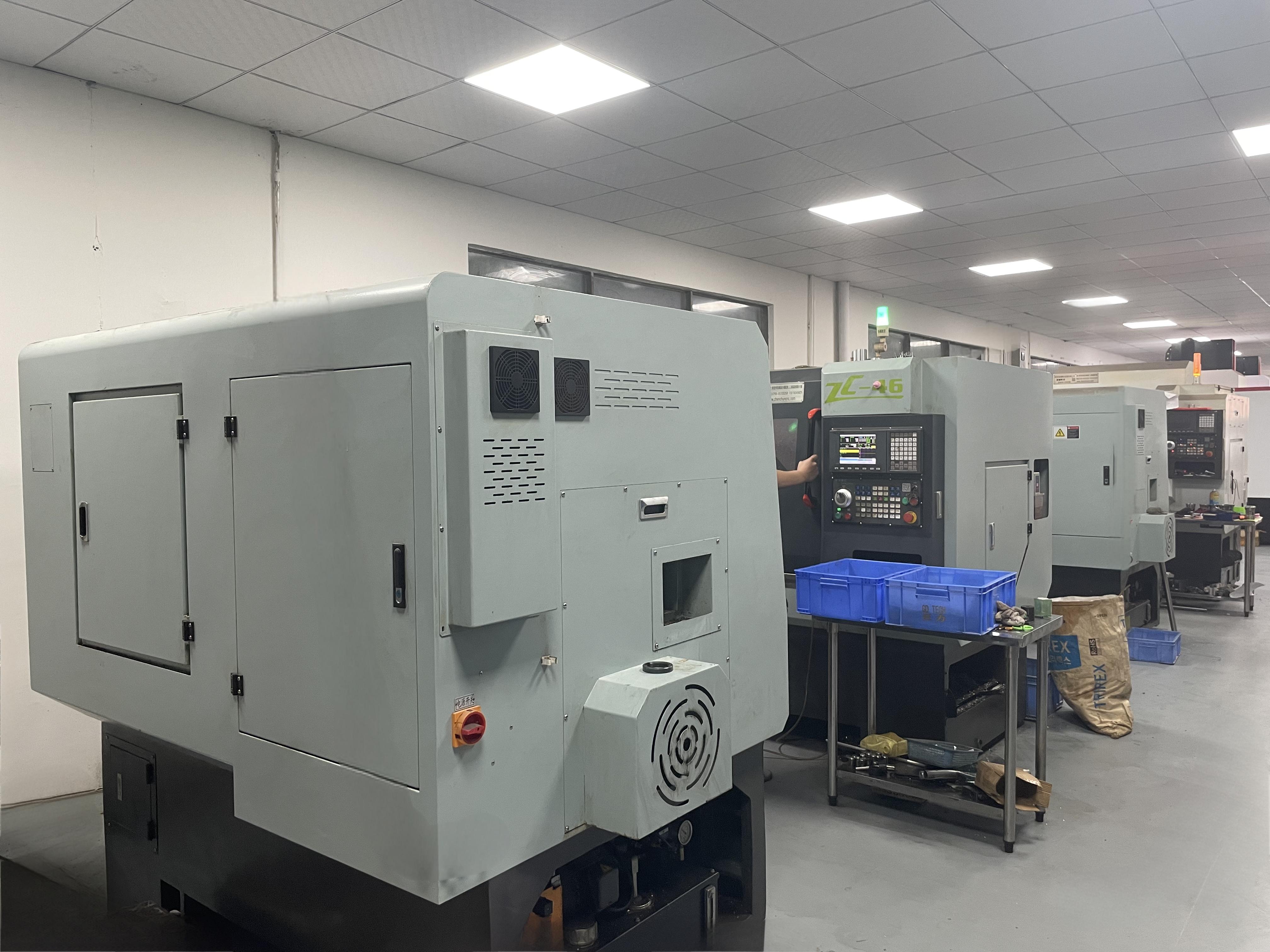
What truly sets GreatLight Metal Tech Co., LTD. apart is the systematic integration of precision hardware, international certifications, and deep vertical expertise. Founded in 2011 in Dongguan’s Chang’an district—often called China’s “Hardware and Mould Capital”—the company has grown into a 7,600 square meter operation with 150 dedicated professionals and an equipment portfolio that includes large-format 5-axis, 4-axis, and 3-axis CNC machining centers, lathes, EDM, vacuum casting, and three types of 3D printing (SLM, SLA, SLS). This arsenal enables GreatLight to handle not just the enclosure but every mating part, from internal heat sinks and EMI shields to custom connectors and mounting trays, all within a tightly managed production schedule.
A Quality Management System That Inspires Confidence
Trust in high-end manufacturing relies on more than advertised tolerances; it requires verifiable, internationally recognized systems:
ISO 9001:2015 – the universal quality management foundation, rigorously audited.
ISO 27001 – data security compliance for customers concerned about intellectual property protection on proprietary vent designs.
ISO 13485 – medical device quality systems, critical when capture cards integrate into diagnostic imaging or surgical video systems.
IATF 16949 – automotive-grade process control, ensuring zero-defect methodologies are applied even to industrial and broadcast enclosures.
These certifications mean that every machined ventilation pattern is validated through in-process inspection, CMM measurement, and first-article reports, catching deviations before they become field failures. For capture card OEMs whose end products operate in safety-critical or always-on applications, such rigor is non-negotiable.
One-Stop Finishing: The Secret to a Polished Product
A ventilated enclosure doesn’t just need to breathe; it must resist corrosion, look professional, and maintain conductivity for grounding. GreatLight’s in-house finishing department eliminates the logistical headaches of coordinating with third-party platers:
Electroless nickel plating for uniform conductivity even inside deep vent slots.
Hard anodizing to improve wear resistance on mating surfaces and enhance radiative cooling.
Bead blasting + chem film (Alodine) for a durable, low-impedance surface that maximizes EMI shielding.
Laser etching of serial numbers, QR codes, or airflow direction arrows directly into the enclosure.
Having all these processes under one roof not only shortens lead times but also eliminates the risk of cross-contamination or inconsistent masking that can plague multi-vendor finishing chains.
Case in Point: Ventilated Enclosure for a Multi-Channel 4K Capture Card
When a broadcast equipment manufacturer approached GreatLight to improve the thermal performance of their latest 8-channel 4K capture card, the existing stamped steel case allowed the FPGA to reach 95°C under sustained load, triggering intermittent sync drops. The GreatLight engineering team proposed a billet 6061 aluminum replacement with CNC-machined 30° angled louvers that maintained 40 dB EMI shielding while increasing airflow by 60%. Internal pedestals were machined directly into the enclosure to act as integral thermal pads, reducing the thermal resistance to the chip by half. The part was hard anodized matte black, laser-marked with channel identifiers, and delivered within three weeks from drawing approval. The result: core temperature dropped to 71°C, sync stability improved, and the enclosure’s sleek, professional look became a marketing asset for the client.
Best Practices for Designing a Capture Card Enclosure Ventilated Design
While an experienced manufacturer can refine your geometry for manufacturability, starting with sound design principles shortens the development cycle and reduces cost.
Slot Patterns and Airflow Simulation
Use CFD early: Even simplified thermal simulations in SolidWorks or Fusion 360 can reveal dead zones. Position inlet slots near cool inlet regions and exhaust slots in the top or rear quadrant.
Avoid sharp corners in vents: Radius all internal corners of machined slots to reduce stress concentrations and improve fatigue life.
Maintain minimum web thickness: For aluminum, 0.8–1.2 mm between adjacent slots preserves rigidity while maximizing open area.
Effective EMI Management in Vented Designs
Honeycomb or waveguide-style vents: For extremely sensitive electronics, a machined array of hexagonal cells with depth‑to‑width ratio >4:1 can act as a waveguide beyond cutoff, drastically attenuating high-frequency leakage.
Conductive gasket groove design: Precision CNC can cut a continuous groove around the perimeter of the vent field, ensuring a compression gasket mates cleanly with the lid to form a Faraday cage.
Surface treatment matters beyond aesthetics: Chrome conversion coating (Alodine) provides <0.01 ohm/sq surface resistivity, far better than anodizing, which is an insulator. Know your EMI requirements before spec’ing the finish.
Balancing Aesthetics, Functionality, and Cost
Combine functions: Threaded brass inserts for mounting can be heli-coiled or thread-milled directly into the machined billet, saving the cost and complexity of separate PEM nut installation.
Leverage 5-axis for branding: A 5-axis machine can engrave logos or product names on curved or angled surfaces without the need for secondary setups.
Design for snap-fit or edge-connect covers: Eliminating fasteners reduces assembly time and gives a cleaner industrial design—vent slots can double as engagement features for sliding covers.
From Prototype to Production: How GreatLight Delivers at Every Scale
Many shops can produce one beautiful prototype. The true test is replicating that quality across hundreds or thousands of units while maintaining the same thermal performance and form‑fit‑function. GreatLight’s vertically integrated model shines here because all tooling, fixtures, CNC programming, and finishing are controlled in-house. When prototyping, engineers can test multiple vent patterns in parallel using the same setup geometry, cutting iteration time by 50% or more. During ramp-up, the company’s fleet of 127 precision machines—including large‑bed 5-axis centers—provides the surge capacity needed to meet unexpected demand without outsourcing quality control.
For capture card manufacturers whose products might evolve from a few hundred units for a niche video application to tens of thousands for a broadcast standard, having a partner that can scale without sacrificing the precision that made the initial design successful is invaluable.
Conclusion: The Future of Capture Card Thermal Design Is Precision Machined
As data rates climb to 8K, 12K, and beyond, and as capture cards move into autonomous vehicle sensor processing and real-time AI inference, the demands on enclosures will only intensify. A capture card enclosure ventilated design is no longer a cosmetic afterthought; it is a core engineering system that directly influences product reliability, regulatory compliance, and brand perception. Choosing a manufacturing partner with the technical horsepower, quality certifications, and holistic process control of GreatLight CNC Machining{target=”_blank”} ensures that your next enclosure will not only look good on the datasheet but also keep critical silicon cool, quiet, and performing at its peak for years.


![[访谈] RAPID + TCT 2024:人工智能对 3D 打印的价值](https://print-ing.com/wp-content/uploads/2024/07/INTERVIEW-60x60.jpeg "[访谈] RAPID + TCT 2024:人工智能对 3D 打印的价值 9")




发表回复
要发表评论,您必须先登录。