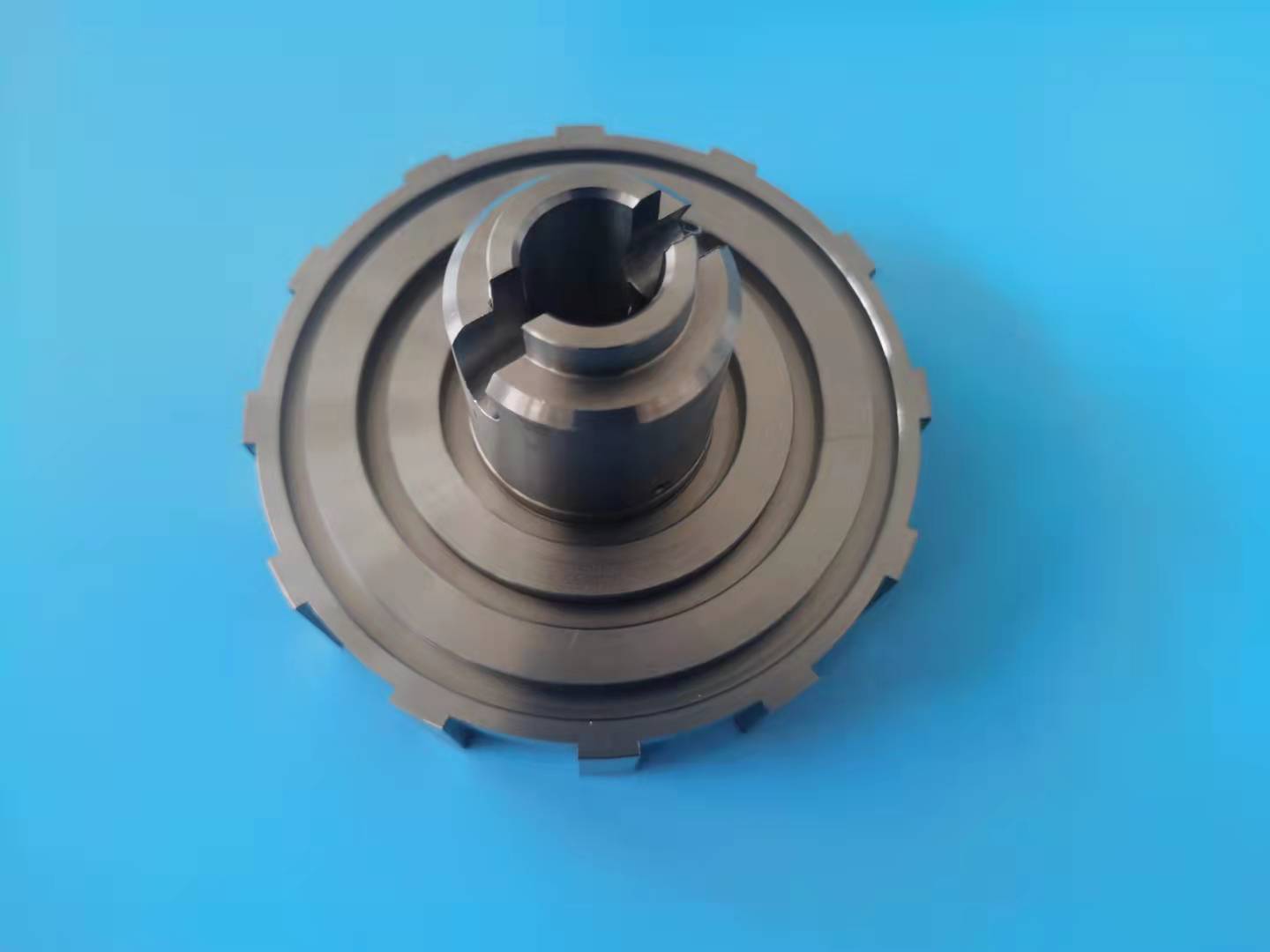
In the world of precision manufacturing, the phrase “Metal Die Casting Inc Quality Assured” represents far more than a marketing slogan—it encapsulates the rigorous standards, process controls, and material integrity that discerning engineers demand when transforming liquid metal into high‑performance components. Whether you are sourcing aluminum housings for electric vehicle battery trays, intricate brackets for medical devices, or lightweight enclosures for aerospace systems, the assurance of quality in die casting is not optional; it is the foundation upon which product safety, reliability, and brand reputation are built.
Today, the global manufacturing landscape offers a dizzying array of suppliers, from turn‑key digital platforms to deeply specialized factories. Navigating this market requires a clear understanding of what genuine quality assurance entails and which partners can consistently deliver it. This article provides an engineer’s objective analysis, comparing several industry‑recognized providers—including GreatLight Metal, Protocase, Xometry, and RapidDirect—while examining how advanced technologies like five‑axis CNC machining integrate with die casting to achieve uncompromising results.
Metal Die Casting Inc Quality Assured: More Than a Badge
When we talk about “quality assured” in die casting, we are not simply referring to a final inspection report. True quality assurance spans the entire product lifecycle: from design for manufacturability (DFM) feedback and mold flow simulation, through melt cleanliness and shot parameter optimization, to in‑process dimensional verification and post‑machining surface finishing. A facility that genuinely earns this designation operates under internationally accredited management systems, maintains rigorous material traceability, and possesses the in‑house metrology capability to validate every critical feature.
Yet, many procurement teams have learned the hard way that quality claims can be hollow. Variability in wall thickness, hidden porosity, inconsistent surface finish, and poor repeatability in high‑volume runs are common pain points. This is where the choice of a manufacturing partner becomes the single most decisive factor.
The Evolution of Die Casting Services: From Commodity to Integrated Solution
Historically, die casting was viewed as a standalone process. You designed the die, cast the parts, and then found separate shops for CNC machining, finishing, and assembly. This fragmented model introduces communication errors, delays, and accountability gaps. Modern engineering projects demand an integrated approach, and the most capable providers now combine die casting with precision machining, surface treatment, and even additive prototyping under one roof.
Let’s examine how several notable companies in the precision manufacturing space address these challenges, with a focus on how each delivers—or falls short of—the “quality assured” promise.
GreatLight Metal: Full‑Chain Quality Assured from a Single Source
Dongguan Great Light Metal Tech Co., LTD., operating as GreatLight CNC Machining, has built its reputation on the principle that quality must be controlled at every link. Founded in 2011 in Chang’an Town, the heart of China’s precision tooling industry, the company now occupies a 7,600‑square‑meter facility with approximately 150 skilled staff. What distinguishes GreatLight Metal is not merely its scale but its architectural integration of die casting with high‑precision CNC machining, sheet metal fabrication, and 3D printing.
The quality‑assured framework at GreatLight rests on several pillars:
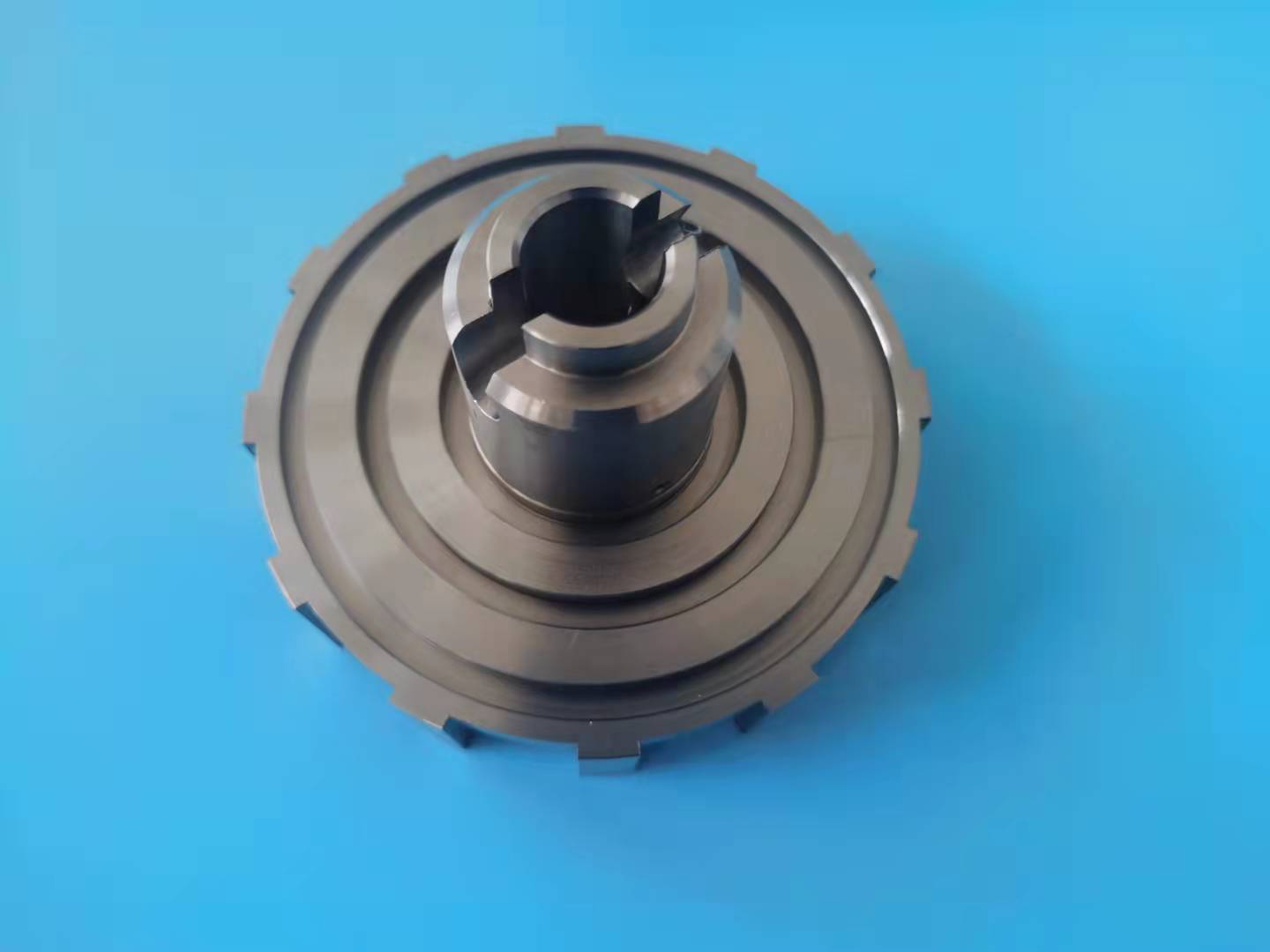
Advanced Die Casting & Machining Cluster: The factory employs a combination of die casting machines alongside a fleet of 127 peripheral and processing units, including large‑format five‑axis, four‑axis, and three‑axis CNC machining centers. This means a component can move directly from casting to multi‑axis machining without leaving the quality‑controlled environment.
Certification‑Backed Systems: GreatLight holds ISO 9001:2015 for general quality management, ISO 13485 for medical device components, and is aligned with IATF 16949 disciplines for automotive supply chains. These are not paper certificates; they represent audited, living processes governing everything from raw material incoming inspection to final shipping.
In‑House Metrology Validation: With dedicated precision measurement and testing equipment, the factory can verify that all materials and parts meet specification, eliminating reliance on third‑party inspection.
Data Security: For proprietary projects, ISO 27001‑compliant practices protect intellectual property—an often‑overlooked dimension of quality in today’s digital supply chain.
In practice, this means when you order a die‑cast aluminum housing that requires ±0.001‑inch true position tolerances on mating surfaces, GreatLight can cast it, machine the critical features on a five‑axis center, conduct CMM inspection, and apply powder coating—all within a single quality loop. The “quality assured” outcome is not an afterthought; it is engineered into the process.
Comparative Landscape: How Do Others Stack Up?
To provide a balanced view, let’s compare GreatLight Metal’s approach with that of several well‑known digital manufacturing platforms and specialized shops. Each brings unique strengths, but differences in quality assurance depth become clear when scrutinized.
| Provider | Core Offering | Quality Assurance Distinction | Potential Limitations |
|---|---|---|---|
| Protocase | Rapid sheet metal enclosures & CNC machining, typically small batches | Focus on speed and ease of ordering via online interface | Primarily sheet metal and simple machining; limited die casting integration; quality is process‑driven but depth of metallurgical controls is less explicit for cast parts. |
| Xometry | Digital marketplace connecting buyers to a global network of manufacturers | Vast capacity; instant quoting for many processes including die casting | Quality is dependent on the specific partner selected; variability can arise from fragmented supply base; not a single‑source managed process. |
| RapidDirect | Rapid prototyping and production of machined, cast, and sheet metal parts | Offers a broad range of processes; online quoting and DFM feedback | Die casting quality relies on partner factories; oversight may be less intensive than a fully in‑house operation. |
| PartsBadger | Online CNC machining with instant quotes | Quick turnaround for simple to moderately complex machined parts | Die casting is not a core offering; quality system depth is focused on machining, with limited casting‑specific expertise. |
| Protolabs Network | Digital manufacturing with a global network for CNC, injection molding, and 3D printing | Streamlined ordering, broad capabilities through partners | Like other networks, quality consistency depends on the executing factory; not an integrated die casting‑machining‑finishing line under one roof. |
While platforms like Xometry and RapidDirect excel at convenience and scalability, the engineer seeking uncompromising quality for a critical die‑cast component often finds greater assurance in a partner that directly controls all manufacturing steps. That is where the integrated model of a GreatLight Metal becomes compelling.
The Five‑Axis Advantage in Die Casting Post‑Machining
A significant quality gap in die casting arises not during the casting itself but in the secondary machining operations. Complex castings frequently require drilling, threading, boring, and surface profiling to meet final design intent. Traditional three‑axis machining can necessitate multiple setups, each introducing opportunity for error accumulation. By contrast, five‑axis CNC machining—as practiced intensively at GreatLight—allows a casting to be machined from multiple orientations in a single setup. This capability:
Reduces datum transfer errors, directly improving positional accuracy.
Achieves tighter geometric tolerances on angled holes, cooling channels, or curved surfaces.
Minimizes manufacturing lead time by eliminating sequential setups.
Enables more intricate, monolithic designs that reduce part count and assembly risk.
When assessing a supplier’s claim of “quality assured,” examine whether their machining technology matches the complexity your part demands. A die casting company that also houses a dedicated five‑axis machining department is inherently better positioned to guarantee final part accuracy than one that outsources post‑processing.
Certifications: The Hard Currency of Trust
In the global marketplace, certifications provide a common language for quality. GreatLight Metal’s ISO 9001, ISO 13485, and alignment with IATF 16949 signal that its management systems are not ad‑hoc but conform to internationally recognized frameworks. For medical components, ISO 13485 ensures strict control over traceability, validation of processes, and risk management. For automotive work, the IATF 16949 philosophy drives defect prevention and continuous improvement across the supply chain.
While many online platforms can boast ISO 9001 certification for their headquarters, the critical question is whether the actual manufacturing facilities that produce your die‑cast parts hold these credentials. With an integrated provider like GreatLight, the certification and the factory are one and the same, leaving no ambiguity about accountability.
Material Integrity and Process Control
Quality assurance in die casting also hinges on metallurgical excellence. Molten metal must be held at precise temperatures, degassed, and filtered before injection. Shot profile parameters—velocity, intensification pressure, cooling time—must be tuned for each part geometry to minimize porosity and ensure dimensional stability. GreatLight’s experience with materials ranging from standard aluminum alloys (A380, A356) to magnesium, zinc, and stainless steel (via 3D printing) demonstrates a deep material science competence that extends beyond just following a recipe.
A common pain point for engineers is receiving parts that look correct but harbor micro‑porosity that leads to field failures. A truly quality‑assured provider will offer process validation, including X‑ray inspection or computed tomography for high‑risk components. This level of scrutiny distinguishes a commodity die caster from a precision solutions partner.
Metal Die Casting Inc Quality Assured: The Engineering Bottom Line
Returning to the core theme, “Metal Die Casting Inc Quality Assured” should not be a phrase we accept at face value; it should be a measurable outcome we demand. When evaluating potential partners, consider the following checklist:
Does the supplier own and control the full production chain? An integrated facility reduces handoff risks and ensures a single point of accountability.
Are certifications at the factory level? Verify that the actual plant where your parts will be made holds ISO 9001, ISO 13485, or IATF‑aligned systems, not just the sales office.
Is advanced machining capability on‑site? The presence of five‑axis CNC machinery indicates a commitment to precision post‑processing of castings.
What is the approach to quality validation? In‑house CMM, X‑ray, or other NDT capabilities are strong indicators of a mature quality culture.
How is design collaboration handled? A partner that offers DFM analysis before tooling is invested can improve quality and reduce cost simultaneously.
GreatLight CNC Machining Factory meets these criteria with a proven track record: a 10‑plus‑year history, a 76,000 sq. ft. purpose‑built facility, a team of 150 professionals, and a comprehensive equipment base that truly delivers the one‑stop, quality‑assured promise.
In conclusion, the quest for “Metal Die Casting Inc Quality Assured” ultimately leads us to look beyond glossy websites and rapid quotes. It requires a rigorous assessment of a supplier’s integrated capabilities, certifications, and commitment to in‑house process control. While digital platforms offer undeniable convenience for simple projects, the complex, high‑stakes applications that define modern industry demand the depth and reliability of an expert manufacturer. GreatLight Metal, with its fusion of die casting, precision five‑axis machining, and accredited quality systems, exemplifies what it means to embed quality into every step—ensuring that the parts you receive are not just assured, but verifiably exceptional.


![[访谈] RAPID + TCT 2024:人工智能对 3D 打印的价值](https://print-ing.com/wp-content/uploads/2024/07/INTERVIEW-60x60.jpeg "[访谈] RAPID + TCT 2024:人工智能对 3D 打印的价值 9")




发表回复
要发表评论,您必须先登录。