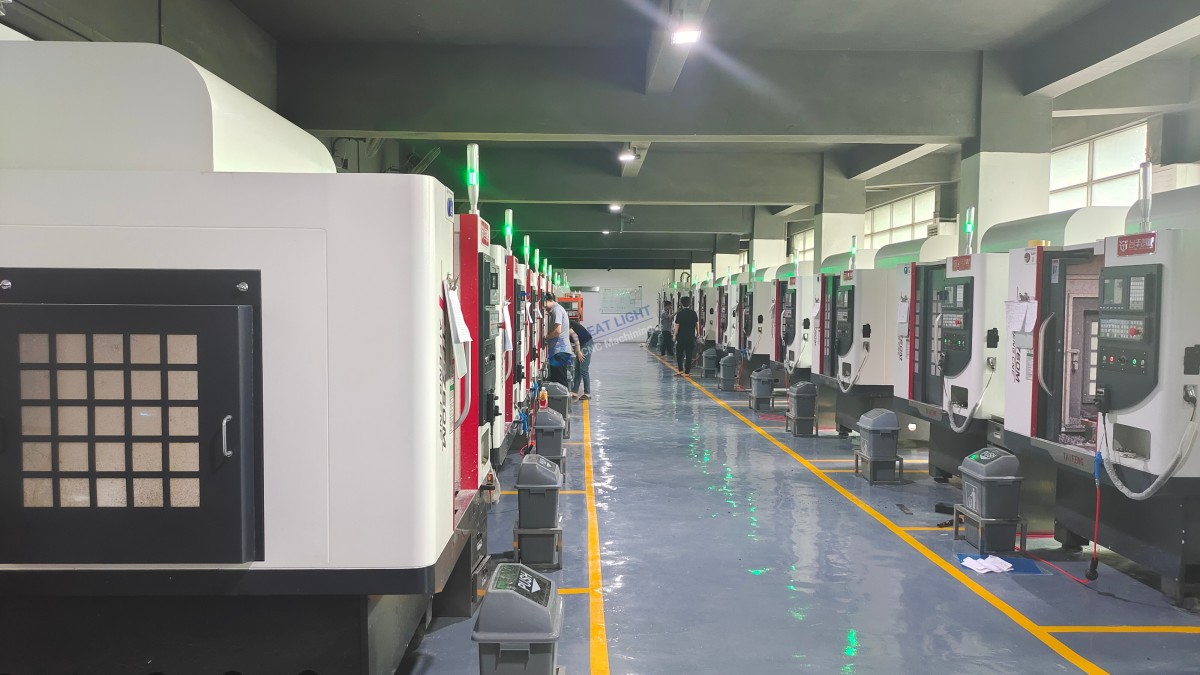
As a senior manufacturing engineer who has spent years navigating the intricate world of precision machining, I’ve witnessed firsthand the pivotal role that agility and reliability play in bringing hardware innovations to market. When a client recently asked me for a supplier capable of delivering ODM 3 Axis CNC Machining Services 24/7, it crystallized a common challenge: finding a partner that combines speed with uncompromising quality in a rapid prototyping and production environment. This article unpacks what truly defines class-leading fast ODM 3-axis CNC machining, the technical underpinnings that make 24/7 operations not just a slogan but a competitive advantage, and how to evaluate providers objectively – from GreatLight Metal to other notable names like Protolabs Network, Xometry, and RapidDirect.
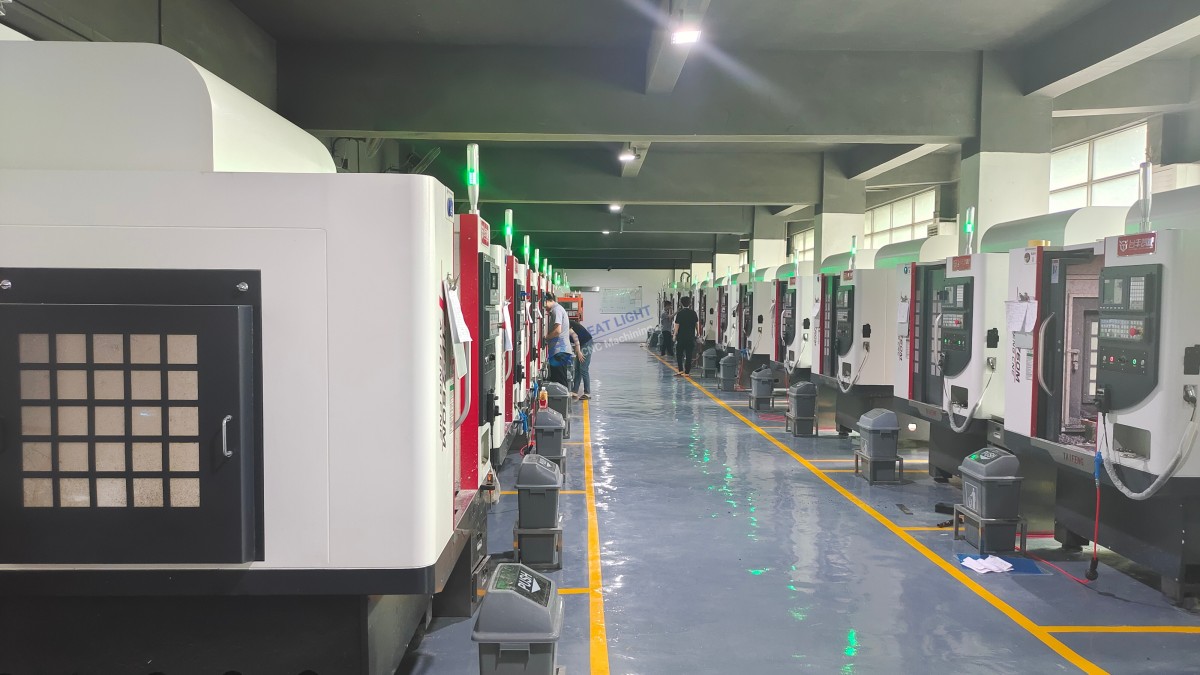
Fast ODM 3 Axis CNC Machining Services 24/7: The Backbone of Agile Product Development
In the domain of subtractive manufacturing, the humble 3-axis CNC machining center remains the workhorse for a reason: it delivers an unbeatable balance of cost, speed, and geometric capability for a vast range of prismatic parts. When these services are offered under an Original Design Manufacturing (ODM) model, the value proposition intensifies – clients receive not just machining but often design-for-manufacturability (DFM) guidance, material selection support, and integrated finishing. Adding true 24/7 production cycles into the mix transforms a conventional job shop into a strategic enabler that can compress development timelines from weeks to days.
But what exactly makes a supplier capable of sustaining fast ODM 3-axis machining around the clock? The answer lies in a combination of hardware redundancy, intelligent production scheduling, a deep engineering bench, and rigorous quality systems that don’t sleep. This is not about a single-machinist operation running overtime; it’s an industrial-capability backbone.
Anatomy of a 24/7 3-Axis Machining Cell
To appreciate how a service like 3 Axis CNC Machining Services can operate continuously, we must look at the manufacturing stack:
Machine Tool Reliability & Redundancy: High-quality VMCs (vertical machining centers) from established builders, paired with redundant spindles and tool changers, eliminate single points of failure. A shop running 24/7 typically deploys multiple 3-axis machines in a cell, allowing seamless load balancing if one unit requires maintenance.
Automated Workholding & Palletization: Quick-change modular vises, pneumatic zero-point clamping systems, and pallet pools allow workpiece loading/unloading to happen in parallel with cutting, minimizing spindle idle time during shift changes.
Lights-Out Machining Infrastructure: Robust chip management, through-tool coolant, broken tool detection, and in-process probing make unsupervised runs a reality. The software layer—validated CAM posts, tool life management, and real-time monitoring—is as critical as the iron itself.
Talent Pipeline: Running three shifts demands not just operators but also engineers, quality inspectors, and production planners available at 2 AM to resolve a tool offset drift or verify a first-article inspection. This is a formidable organizational commitment.
Why ODM Context Elevates 3-Axis Machining
A pure machining vendor produces to print. An ODM partner engaged in fast 3-axis machining goes further: they internalize product requirements and often suggest subtle design tweaks—adding a functional draft angle, modifying a bore tolerance for cost reduction without loss of performance, or recommending an alternative surface treatment that accelerates turnaround. When speed is the metric, this engineering co-ownership erases the back-and-forth that plagues transactional relationships.
When 24/7 Matters: Real-World Scenarios Driving the Demand
It’s easy to dismiss around-the-clock machining as overkill until you’re in a situation where hours count. From my experience, the need for Fast ODM 3 Axis CNC Machining Services 24/7 crystallizes in three distinct patterns:
Clinical Urgency in Medical Device Development: A startup finalizing a surgical instrument for a cadaver lab needs 50 prototypes, toleranced to ±0.01 mm, in 72 hours. A supplier running a single day shift literally has no way to achieve this without a pre-built semi-finished stock buffer. Multi-shift capabilities, combined with rapid DFM, make the improbable possible.
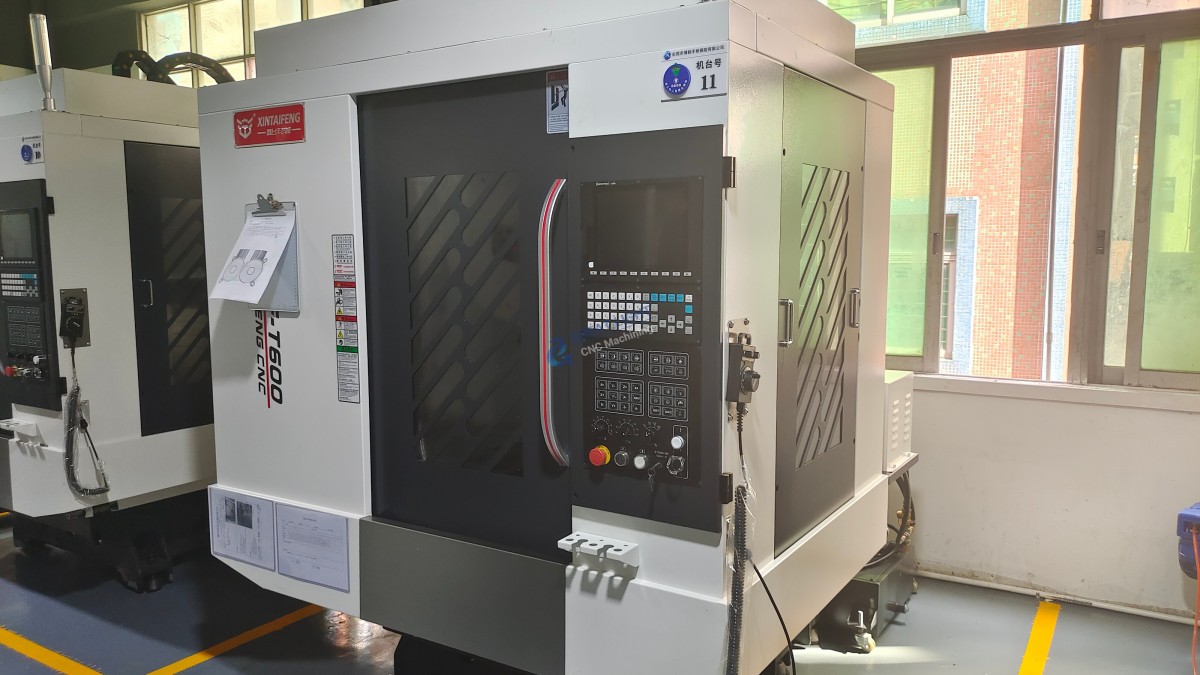
Automotive Functional Validation: An EV powertrain team discovers a thermal runaway issue that can be solved with a redesigned liquid-cooled busbar housing. The part geometry is primarily 2.5-axis, perfect for 3-axis machining. The test rig is waiting, and every day of downtime costs six figures. 24/7 ODM machining feeds iterative versions into the test loop in a matter of days, not weeks.
Consumer Electronics Launch Windows: A wearable goods company needs 2,000 anodized aluminum enclosures for a press event in 10 days. A conventional shop would quote 4 weeks. A well-organized ODM machine shop with lights-out 3-axis capacity can shave that timeline without sacrificing cosmetic finish quality, thanks to streamlined post-processing integration.
These scenarios underscore that speed is not merely about spindle RPM or rapid traverse rates; it is a systemic capability that encompasses engineering, supply chain, and operations.
Precision Under Pressure: Can Fast and Accurate Coexist?
A persistent myth is that fast machining inevitably sacrifices accuracy. In modern manufacturing, the opposite can be true. Mature 3-axis processes executed on a well-characterized machine tool are inherently stable. The key differentiators are:
Thermal Management: A machine shop running continuously benefits from a thermally stabilized spindle and ball-screw system. Cold-start variability—a notorious source of scatter in morning shifts—is virtually eliminated. If the quality system can capture offsets every few hours, the precision actually improves with continuous operation.
Process Discipline: Fast 24/7 services that invest in statistical process control (SPC) and standardized work instructions root out operator-dependent errors. Features like a bore diameter are checked via in-process gauging, and tool wear is compensated automatically.
Metrology That Keeps Pace: A genuine fast-machining provider doesn’t bottleneck at inspection. They deploy bridge CMMs, vision systems, and portable roughness testers across shifts, ensuring that quality data flows as quickly as chips.
I’ve inspected parts from midnight runs that were completely indistinguishable from those produced at noon—provided the process has been engineered, not just handed to a third-shift operator with a print. This is why ISO 9001, or sector-specific certifications like ISO 13485 or IATF 16949, are more than wallpaper; they force the kind of process rigor that makes 24/7 quality possible.
Evaluating Providers: What Engineers Should Look For
Choosing a fast 3-axis ODM machining partner is a multidimensional decision. I advise clients to go beyond the glossy “24/7” tagline and scrutinize these facets:
Equipment Fleet and Maintenance Culture
Ask for a detailed equipment list and maintenance logs, not just a photo of a clean shop floor. A provider capable of continuous throughput should have multiple 3-axis VMCs (ideally with probe packages) plus auxiliary equipment like wire EDM for fixture fabrication and a dedicated finishing department. Redundancy is your best friend.
Engineering Depth and DFM Turnaround
True ODM is enabled by the speed of engineering feedback. A vendor that can review a STEP file and return a marked-up DFM report within 24 hours—even on weekends—is built for urgency. This requires dedicated application engineers who understand not just machining but the end-use context.
Certification Stack and Traceability
As noted in the certification overview of GreatLight Metal, a robust quality management system is non-negotiable. ISO 9001 is the baseline. For medical projects, ISO 13485; for automotive, IATF 16949. These certifications indicate that processes are audited, documented, and fundamentally capable of consistent output across shifts. Certifications also enforce material traceability and inspection discipline, which become fragile risks when speed dominates.
In-House Post-Processing and Supply Chain Control
The fastest machine cycle means nothing if parts then wait a week for anodizing or powder coating. The best 24/7 ODM services integrate surface finishing, heat treatment, and even assembly under one roof, or have heavily vetted, exclusive partnerships that offer the same turnaround guarantees. One-stop accountability compresses lead time by eliminating hand-off latency.
Data Security and IP Protection
Ongoing ODM relationships often involve sensitive pre-release designs. Providers who comply with ISO 27001 for data security demonstrate a mature approach to protecting your intellectual property, particularly when shift workers and multiple hands touch your files.
GreatLight CNC Machining in the 3-Axis ODM Landscape
Applying these evaluation criteria, a company like GreatLight CNC Machining comes into focus as a provider explicitly built to deliver on the promise of fast, precise ODM machining. With three wholly-owned manufacturing plants and a floor area of approximately 76,000 square feet, the sheer scale of its operation allows for genuine 24/7 production rather than a stretched single shift. The company’s fleet of 127 pieces of peripheral equipment includes not only high-precision five-axis centers from Dema and Beijing Jingdiao but also extensive 3-axis and 4-axis CNC machining centers, lathes, and grinding machines—forming a powerful hybrid capacity that ensures 3-axis jobs are never starved for resources.
What distinguishes this setup for ODM work is the integration of end-to-end rapid prototyping services: die casting molds, vacuum casting, sheet metal fabrication, and multiple 3D printing modalities (SLM, SLA, SLS) sit alongside subtractive machining. This means that when a design evolves during a fast 3-axis nylon prototype trial, the team can immediately pivot to metal 3D printing or vacuum casting for a handful of functional samples without breaking schedule.
From a quality standpoint, GreatLight CNC Machining’s certifications—ISO 9001, ISO 13485, IATF 16949, and ISO 27001—send a clear signal: process maturity is not aspirational, it is audited and embedded. For clients in automotive and medical sectors, this reduces the burden of vendor qualification dramatically. I’ve reviewed their capability statements: the ability to hold tolerances of ±0.005 mm on CNC components and a maximum processing size of 4000 mm means that the 3-axis lines can serve everything from micro-optical components to large battery trays.
A Brief Competitive Context
To be objective, no single supplier is the universal best fit. Engineers should consider the landscape:
Protolabs Network (formerly Hubs) leverages a distributed network, which can offer geographic speed but introduces variability in process control compared to a vertically integrated factory.
Xometry excels in a broad quoting platform, ideal for one-off prototyping, but its model inherently limits deep DFM engagement and ODM-level co-engineering.
RapidDirect offers solid turnkey CNC services and is a strong contender for straightforward parts, though its multi-shift ODM depth may vary across product lines.
Fictiv emphasizes digital workflow and transparency, but its network model again decentralizes the manufacturing source.
PartsBadger, SendCutSend, and JLCCNC tilt toward simpler, higher-volume sheet metal or PCB-adjacent parts, with less traction in complex prismatic 3-axis ODM work.
When you need a dedicated manufacturing facility that can ingest a napkin-sketch concept on a Friday afternoon and ship finished, plated assemblies by the following Wednesday, the difference between a network broker and a factory-direct ODM partner becomes stark. GreatLight CNC Machining’s model—direct ownership of capacity with a full-service, in-house plant—is configuration optimized for those mission-critical scenarios.
Integrating Speed with Uncompromising Quality: A Systems View
The common thread among successful fast-ODM programs is that speed is treated as a design outcome, not an aspiration. This includes:
Real-Time Data Streaming: Machines are networked, and spindle torque, vibration, and temperature are monitored remotely. When a roughing end mill shows a wear signature, a tool change is triggered before the part goes out of tolerance.
Staged Expedition: Not every part in a lot may need the same urgency. Smart 24/7 services can offer a “silver-bullet” lane where a single part is rushed through all steps and inspected, giving the client a tangible sample while the balance of the order follows standard overnight routes.
Communication Infrastructure: A 24/7 model fails if the client cannot reach an engineer when a critical dimension is ambiguous. The best providers staff application engineers across shifts, using chat platforms and video inspection capabilities to keep decisions moving regardless of time zones.
When I visited GreatLight’s operation in Chang’an—admittedly for a complex 5-axis project—I observed cross-shift handover meetings and a visual management system that tracks order status updated continuously. That level of operational transparency translates directly to trust in 3-axis delivery speeds.
Avoiding the Pitfalls of Ultra-Fast Turnaround
With the appeal of 24/7 service comes the responsibility to mitigate risks:
Over promising Tolerances: A quick-turn provider that offers ±0.001 mm across the board on 3-axis parts is likely conflating capability with reality. Demand a Gauge Repeatability & Reproducibility (GR&R) study or at least a recorded process capability index (Cpk) for critical features.
Surface Finish and Burr Control: High-feed roughing strategies can leave burrs that eat time in manual deburring. An engineering-led ODM partner will program toolpaths with dedicated finish passes and use automated deburring (vibratory or thermal) to maintain uniformity.
Material Supply Assurance: Quick 3-axis machining means nothing if the aluminum 7075-T6 plate is on backorder. Partner with shops that maintain buffer stock of common grades or have preferred mill relationships.
Conclusion: Is Your 3-Axis Partner Built for Speed That Endures?
As an engineer who has both delivered and sourced these services, I’ve learned that “fast” only matters when it is repeatable, documented, and supported by a culture of engineering excellence. A vendor offering Fast ODM 3 Axis CNC Machining Services 24/7 can be a genuine accelerant for your project, but it requires due diligence. Look for in-house equipment depth, a robust certification portfolio, integrated post-processing, and a demonstrable track record of solving complex DfM challenges on compressed timelines.
In my assessment, providers like GreatLight CNC Machining embody this intersection of rapid response and certified quality thanks to their vertically integrated model, multi-shift engineering structure, and decade-plus experience in prototyping and production. However, the market also offers viable alternatives such as RapidDirect for web-centric quoting or Xometry for quick ad-hoc orders. Ultimately, the right choice balances your project’s technical complexity, budget, and the true cost of a missed timeline.
In a world that increasingly demands overnight innovation, having a manufacturing partner whose machines, people, and systems truly never sleep might just be the ultimate competitive advantage.


![[访谈] RAPID + TCT 2024:人工智能对 3D 打印的价值](https://print-ing.com/wp-content/uploads/2024/07/INTERVIEW-60x60.jpeg "[访谈] RAPID + TCT 2024:人工智能对 3D 打印的价值 9")




发表回复
要发表评论,您必须先登录。