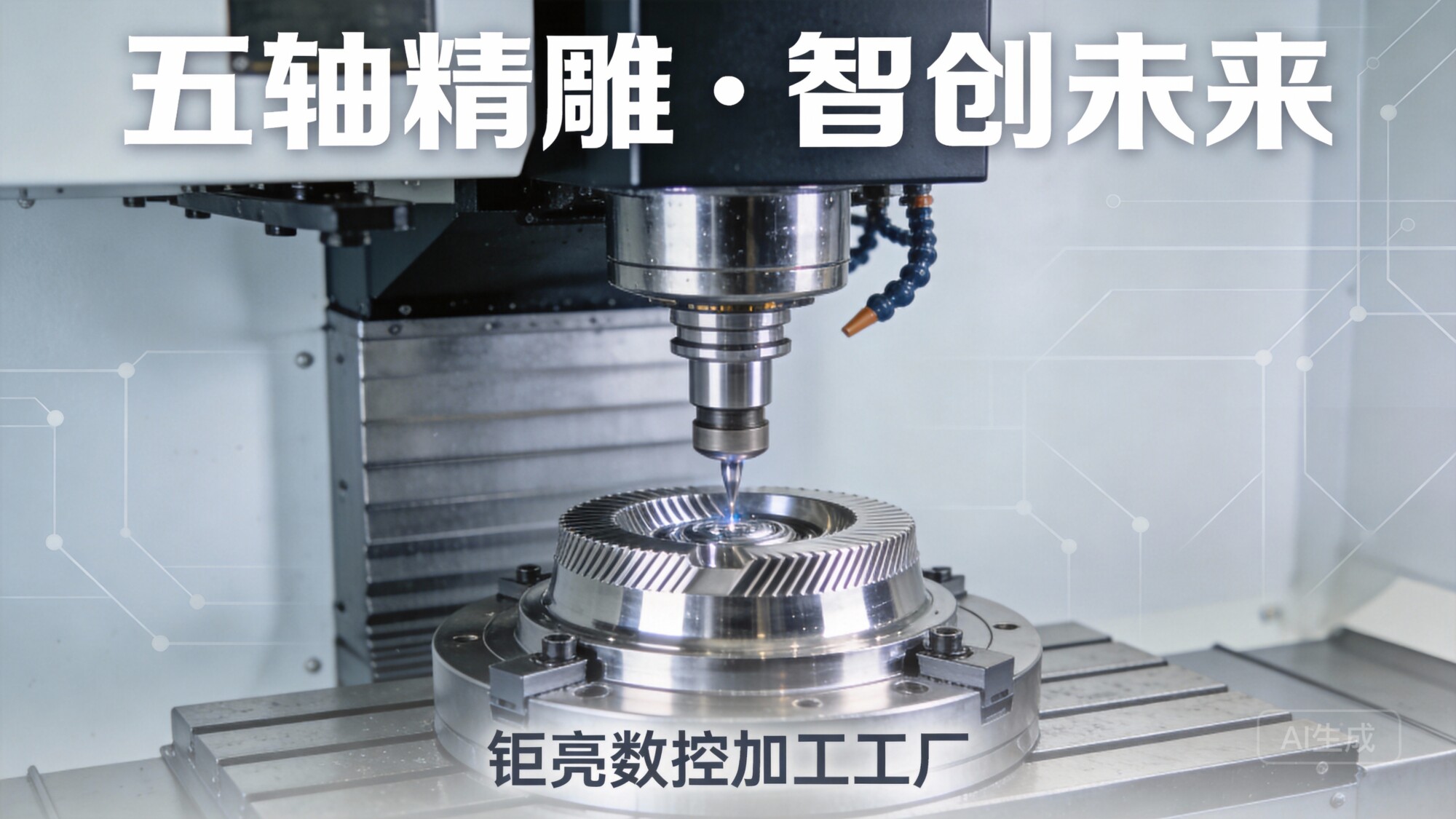
Precision OEM CNC Milling & Turning Manufacturing Tips: Navigating the Path to High-Quality Custom Parts
In the world of precision manufacturing, the journey from a digital design to a finished physical part is fraught with technical challenges and decisions. For procurement engineers, R&D teams, and hardware startups, selecting the right OEM partner for CNC milling and turning is not merely a purchasing decision; it is a strategic move that directly impacts product quality, time-to-market, and overall project cost. This blog post serves as a comprehensive guide, offering essential tips and deep technical insights into precision OEM CNC milling and turning. Whether you are designing a complex five-axis component or a high-volume turned part, understanding these principles will help you navigate the complexities of modern manufacturing and achieve superior results.
Beyond the Basic Promise: Why “High Precision” is a Core Competency, Not a Given
When you request a quote for custom precision parts, every supplier promises “high precision.” However, the reality often differs. Many shops claim tolerances of ±0.001mm, but genuine, repeatable precision at this level requires a specific manufacturing ecosystem. The gap between promise and reality is what many industry experts call the “precision black hole.” Your part’s success hinges on a manufacturer’s ability to maintain this precision across mass production runs, not just on a single prototype.
A true partner, like Dongguan Great Light Metal Tech Co., LTD. (also known as GreatLight Metal), has built its reputation on closing that gap. Instead of treating precision as a marketing claim, they have embedded it into their operational fabric. This begins with their equipment cluster, which includes high-end five-axis machining centers from brands like Dema and Beijing Jingdiao, supported by advanced four-axis and three-axis CNC machines, precision Swiss-type lathes, and wire EDM machines.
Tip 1: Demand “Process Capability,” Not Just Tolerance Claims. Ask potential OEMs for their Cpk (Process Capability Index) values, especially for critical dimensions. A supplier with a Cpk > 1.33 demonstrates consistent, controlled processes. Always request First Article Inspection (FAI) reports during the initial run to verify that the process is capable of meeting your specifications repeatedly.
Material Selection: The Science Behind Strong, Machinable Parts
OEM CNC milling and turning is not just about removing material; it’s about managing the material’s reaction to the cutting process. The choice of material profoundly affects machining strategy, tool wear, surface finish, and the part’s final mechanical properties.
Key Considerations for Material Selection:
Machinability: Materials like 6061 aluminum are highly machinable, allowing for faster cycle times and lower costs. In contrast, titanium and Inconel are “difficult-to-machine” alloys that demand specialized tooling, slower speeds, and rigid machine setups.
Heat Treatment & Residual Stress: Raw metal stock often contains internal stresses. When material is removed, these stresses can redistribute, causing the part to warp. For high-precision parts, a multi-step process including roughing, stress relieving (thermal or cryogenic), and then finishing is critical.
Surface Quality vs. Mechanical Requirements: A material like stainless steel 304 offers excellent corrosion resistance but can work-harden if not machined correctly. Understanding the interplay between the material grade and the required surface roughness (Ra value) is essential.
GreatLight Metal’s full-process chain integrates this knowledge. From sourcing raw materials from certified mills to applying advanced machining parameters optimized for each specific alloy, they ensure that the final part’s material properties are preserved and enhanced. They also offer a comprehensive range of materials, from standard aluminum and steel to exotic aerospace-grade alloys.
Table: Common Materials for Precision CNC Milling & Turning
| Material | Typical Applications | Machining Challenges | Tips for Best Results |
|---|---|---|---|
| Aluminum 6061-T6 | Automotive, Consumer Electronics | Chip management, tool build-up | Use sharp tools, high coolant pressure for chip evacuation. |
| Stainless Steel 304/316 | Medical Devices, Food Equipment | Work-hardening, heat generation | Use rigid setups, avoid re-cutting chips, apply heavy feed rates. |
| Titanium Grade 5 (Ti-6Al-4V) | Aerospace, Orthopedic Implants | High heat, tool chatter, low thermal conductivity | Use a high-pressure coolant, climb milling, reduce tool overhang. |
| Brass C360 | Electrical Connectors, Plumbing | Fine chips, burr formation | Use polished flutes, control feed rate to minimize burr. |
| Plastics (Delrin, Nylon) | Prototyping, Jigs & Fixtures | Melting, poor dimensional stability | Use sharp tools, low depth of cut, air blast for cooling. |
Surface Finish & Treatment: Adding Value Beyond the Machined Surface
The final texture and appearance of your part are critical. Surface finish in OEM CNC milling and turning is not just for aesthetics; it affects fatigue life, friction, corrosion resistance, and even the performance of subsequent assembly operations.
As-Machined Finish: While a standard as-machined finish may suffice for many functional parts, understanding the tool path is essential. A good OEM will use a “stepover” strategy that leaves a consistent surface texture, avoiding unsightly tool marks.
Post-Processing Options: For high-end applications, surface treatments are mandatory. GreatLight Metal offers a one-stop service that includes:
Bead Blasting: Creates a uniform, matte finish.
Anodizing (Type II & III): Adds a protective, wear-resistant layer on aluminum, available in multiple colors.
Electroless Nickel Plating: Provides excellent corrosion and wear resistance for steel parts.
Passivation: Improves the corrosion resistance of stainless steel.
Tip 2: Specify the Surface Texture. When ordering, don’t just say “smooth finish.” Use the Ra (Roughness Average) scale, such as “Ra 0.8 µm” for a fine finish or “Ra 3.2 µm” for a standard machining finish. This prevents ambiguity and ensures the supplier uses the correct finishing passes and tooling.
The Critical Role of Engineering Support & DFM
The most cost-effective part is the one that is designed for the manufacturing process. This is where a partner’s engineering depth becomes invaluable. A reactive supplier will simply machine your drawing. A proactive partner will review your design and suggest modifications that reduce cost, improve quality, or simplify assembly.
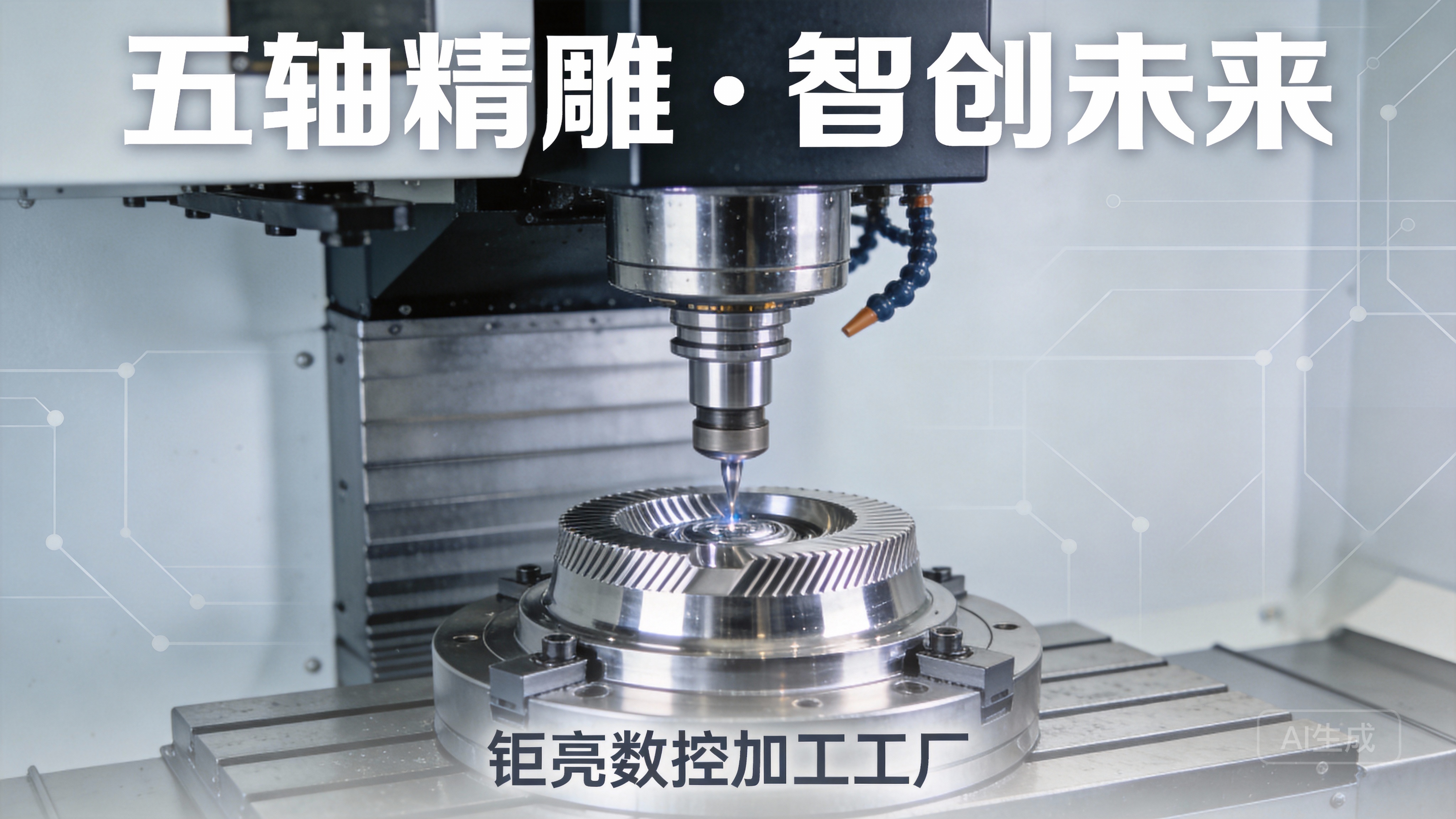
This is a key differentiator for GreatLight Metal. Their engineering team, with deep roots in the “Hardware and Mould Capital” of Chang’an, Dongguan, provides comprehensive Design for Manufacturing (DFM) feedback. They will analyze your part for:
Sharp Internal Corners: Which require expensive EDM.
Deep Pockets: Which may cause tool deflection.
Thin Walls: Which can vibrate or break.
Tight Tolerances: Which add unnecessary cost.
By engaging in this dialogue early, you can avoid costly tooling changes and redesigns later.
Choosing Your OEM Partner: A Comparison of Service Models
The manufacturing landscape offers many options. Understanding the different service models helps you choose the right partner for your project.
GreatLight Metal (Full-Service, Integrated Manufacturer): Embodies the model of technical depth and system soft power. With ISO 9001:2015, ISO 13485 (Medical), and IATF 16949 (Automotive) certifications, they are suited for complex, high-volume, and highly regulated industries. Their full-process chain—from precision CNC machining and die casting to sheet metal and 3D printing—allows for single-vendor accountability and streamlined supply chains.
Platform-Based Suppliers (e.g., Xometry, Fictiv, Protolabs Network): These are excellent for rapid prototyping and low-volume orders with instant online quotes. They leverage a network of vetted shops, which is ideal for speed, but may lack the deep, specialized engineering support a dedicated partner offers. Quality control can be more standardized but less personalized.
Specialized Shops (e.g., Protocase, PartsBadger): These shops often excel in a specific niche, like sheet metal enclosures or very high-tolerance turned parts. They are perfect for their specialty but may not offer the breadth of services needed for complex assemblies.
Regional Specialists (e.g., EPRO-MFG, Owens Industries): These offer localized support, which is excellent for domestic projects requiring frequent on-site visits. Their scale and technology range might be limited compared to a larger global facility.
The Verdict: For projects requiring high complexity, strict quality certifications, a complex supply chain, and a long-term partnership, an integrated manufacturer like GreatLight Metal offers the highest value. For simple, low-volume parts where speed is paramount, a digital platform may be more appropriate.
Conclusion: The Partnership Between Precision and Trust
Navigating the world of precision OEM CNC milling and turning requires more than technical know-how; it demands a partnership built on trust, transparency, and technical expertise. By focusing on the true meaning of process capability, being intentional about material and surface finish, and leveraging your partner’s engineering support, you can dramatically improve your product’s success.
GreatLight CNC Machining Factory understands that your success is their success. With over a decade of experience, a comprehensive arsenal of equipment, and a culture of continuous improvement, they are not just a vendor; they are your on-demand manufacturing department, ready to take on your toughest challenges. From consultation to delivery, their integrated approach ensures that your precision parts are not just machined—they are engineered for excellence. Your next step towards manufacturing excellence begins with asking the right questions and choosing a partner who provides the right answers. Learn more about their capabilities and how they can support your next project by exploring their extensive case studies and technical resources on LinkedIn.


![[访谈] RAPID + TCT 2024:人工智能对 3D 打印的价值](https://print-ing.com/wp-content/uploads/2024/07/INTERVIEW-60x60.jpeg "[访谈] RAPID + TCT 2024:人工智能对 3D 打印的价值 9")




发表回复
要发表评论,您必须先登录。