The landscape of product development is accelerating at an unprecedented pace. As we move deeper into this decade, the demand for Advanced Rapid Prototyping Solutions 2026 is not merely about speed—it is about achieving production-grade quality, complex geometries, and material diversity within days, not weeks. Manufacturers and R&D teams are no longer satisfied with prototypes that merely look like the final product; they require functional prototypes that can withstand rigorous testing, meet regulatory standards, and seamlessly transition into mass production.
This shift represents a fundamental change in how we approach product development. The traditional linear process of design, prototyping, tooling, and production is giving way to an integrated, parallel workflow where prototyping serves as the final validation step before full-scale manufacturing. For precision parts and custom components, this evolution demands a partner with deep technical expertise, advanced multi-axis capabilities, and a comprehensive understanding of materials science.
Redefining Advanced Rapid Prototyping Solutions 2026: The Era of Full-Process Intelligence
The concept of rapid prototyping has evolved far beyond the simple creation of plastic models using basic 3D printing. Today, Advanced Rapid Prototyping Solutions 2026 encompass a sophisticated ecosystem of technologies that bridge the gap between conceptual design and production-ready parts. This new paradigm integrates high-precision CNC machining, additive manufacturing, and advanced finishing processes under one roof, eliminating the inefficiencies of fragmented supply chains.
When engineers and procurement professionals evaluate prototyping partners, they must look beyond surface-level capabilities. The true value lies in a provider’s ability to offer what we call “full-process chain intelligence”—the seamless integration of design for manufacturability (DFM) feedback, multi-technology manufacturing, rigorous quality assurance, and post-processing services that deliver parts ready for immediate use or assembly.
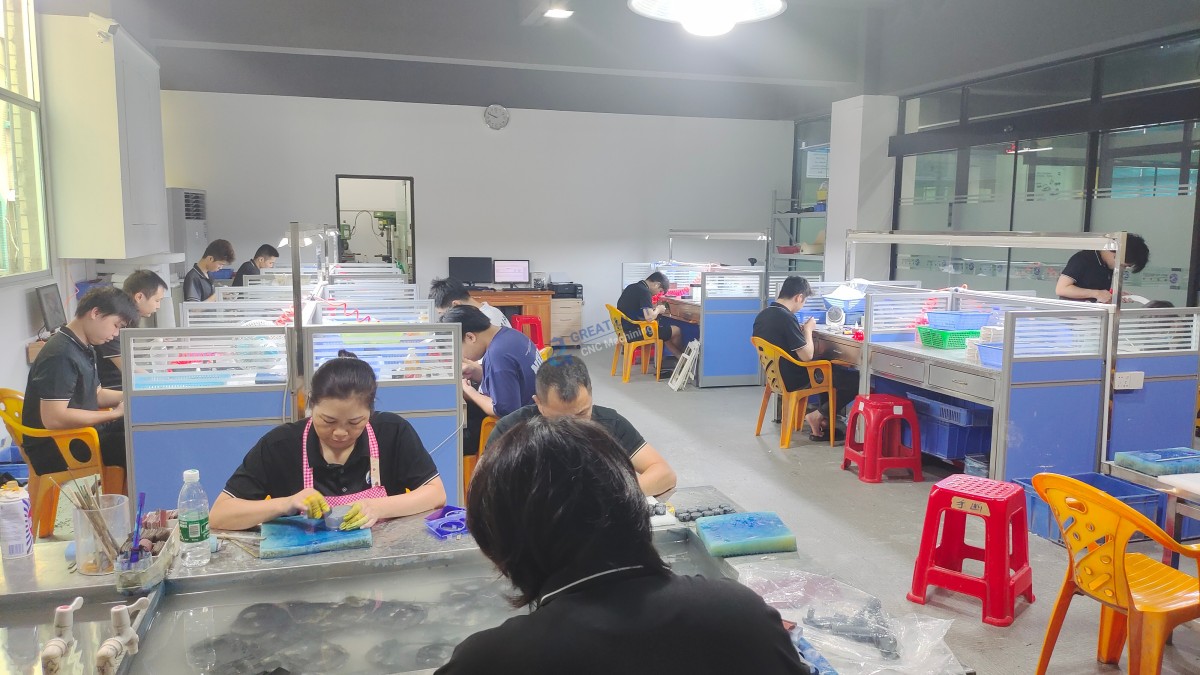
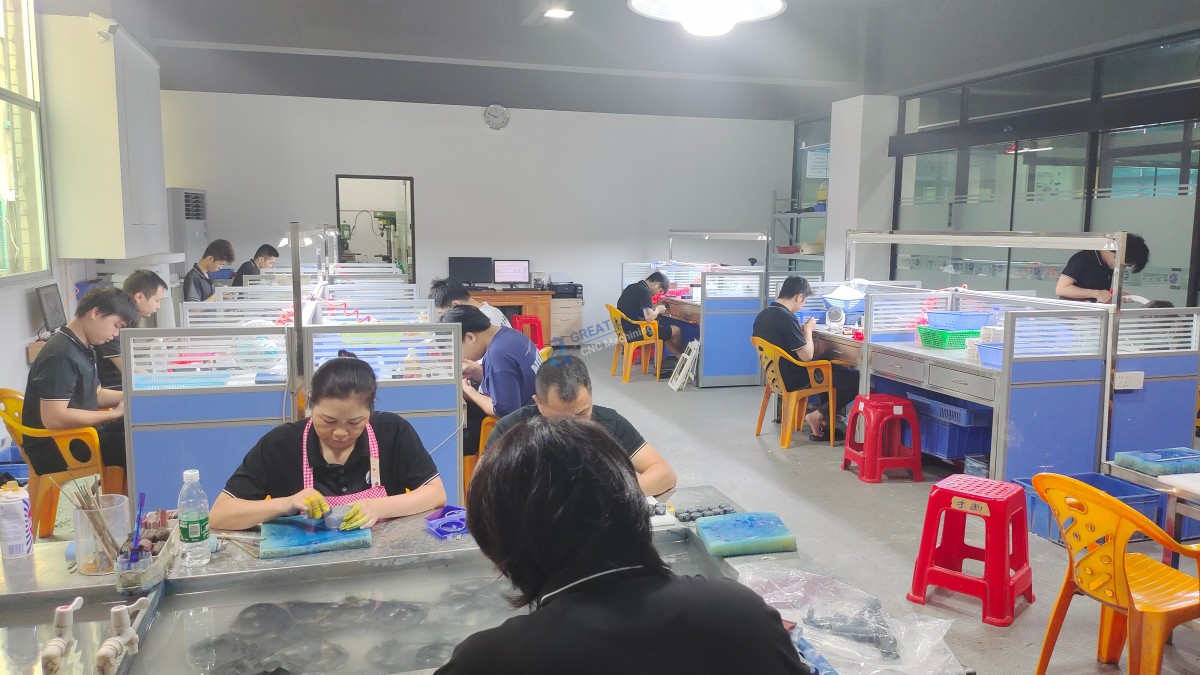
GreatLight Metal, with its decade-long track record and state-of-the-art 76,000 sq. ft. facility in Dongguan’s Chang’an Town, exemplifies this new standard. The company operates three wholly-owned manufacturing plants equipped with 127 precision peripheral machines, including large high-precision five-axis, four-axis, and three-axis CNC machining centers, along with advanced SLM, SLA, and SLS 3D printers. This technological arsenal allows them to offer unparalleled flexibility in material selection and geometric complexity.
The Technical Depth Behind Modern Rapid Prototyping
What separates a true rapid prototyping solution from basic job shop work is the depth of technical capability. In 2026, the most demanding applications—from humanoid robot components to aerospace engine parts—require tolerances that were once considered impossible for prototype runs. The ability to achieve ±0.001mm precision on complex, multi-axis geometries is no longer a luxury but a baseline requirement for industries where failure is not an option.
This is where the distinction between suppliers becomes critical. While many companies advertise high precision, the reality often fails to meet expectations. A “precision black hole” exists when suppliers lack the equipment stability, process documentation, and dimensional verification systems to maintain stated tolerances across multiple parts. The solution lies in choosing a partner whose equipment is not just advanced but properly maintained and calibrated, and whose quality management system is independently verified.
GreatLight Metal addresses this challenge through its combination of brand-name five-axis machining centers and rigorous ISO 9001:2015 certified quality management. Their in-house precision measurement and testing equipment allows for real-time verification, ensuring that every prototype meets specifications before leaving the facility. This systematic approach eliminates the uncertainty that plagues many prototyping engagements.
Overcoming the Critical Pain Points in Precision Prototyping
When companies seek advanced rapid prototyping services, they often encounter a series of systemic challenges that can derail project timelines and budgets. Understanding these pain points is essential for making an informed partner selection.
The Precision Trap: Promise vs. Reality
One of the most pervasive issues in the CNC machining industry is the gap between stated capabilities and actual performance. Some suppliers claim extreme precision levels based on theoretical machine specifications, only to deliver parts with significant variation in production. This discrepancy often stems from aging equipment, unstable thermal environments, or inadequate process control.
The solution requires a partner with documented process capability and the equipment to back it up. GreatLight Metal’s investment in large-scale five-axis machining centers with maximum processing dimensions of 4000 mm demonstrates a commitment to handling complex, oversized parts without compromising accuracy. Their ability to maintain precision across production runs, rather than just single-piece samples, sets them apart from less rigorous competitors.
The Material and Process Integration Challenge
Modern prototypes often require multiple manufacturing technologies to achieve the desired result. A single part might combine a CNC-machined aluminum housing with 3D-printed titanium internal components and custom sheet metal brackets. Managing this complexity within a single supply chain is one of the greatest operational challenges in advanced prototyping.
GreatLight Metal addresses this through its comprehensive service portfolio, which spans precision CNC machining, die casting, sheet metal fabrication, metal 3D printing (SLM, SLA, SLS), and mold development. This vertical integration eliminates the coordination headaches and quality inconsistencies that arise when multiple vendors are involved. For clients working on cutting-edge products like humanoid robots or medical devices, this unified approach significantly reduces time-to-market.
The Certification and Compliance Hurdle
For industries with stringent regulatory requirements—automotive, aerospace, medical, and defense—prototyping is not just about form and fit; it must also demonstrate compliance with relevant standards. A prototype that cannot be validated against regulatory requirements is of limited value to the product development team.
GreatLight Metal’s multiple international certifications provide a clear competitive advantage. Beyond ISO 9001 for general quality management, the company holds ISO 13485 for medical hardware production and IATF 16949 for automotive quality management. These certifications are not just decorative plaques on the wall; they represent a systematic approach to documentation, traceability, and process control that directly benefits prototype production. Projects involving sensitive intellectual property also benefit from data security compliance aligned with ISO 27001 standards.
A Comparative Perspective on Prototyping Capabilities
To provide a balanced view of the rapid prototyping landscape, it is worth examining how different players in the market approach the challenges of modern manufacturing. While each company has distinct strengths, the value proposition often depends on the specific requirements of the project.
| Company | Primary Focus | Key Strength | Best Suited For |
|---|---|---|---|
| GreatLight Metal | Full-process precision manufacturing | Five-axis CNC capability, ISO certifications, material diversity | Complex metal parts, regulated industries, integrated solutions |
| Protolabs Network | Digital manufacturing platform | Automated quoting, broad material selection, fast turnaround | Simple to moderately complex parts, standard materials |
| Xometry | AI-driven manufacturing marketplace | Vast supplier network, competitive pricing, wide range of processes | Low-to-medium volume production, commodity parts |
| Fictiv | Digital manufacturing ecosystem | User-friendly platform, DFM feedback, quality consistency | Plastic injection molding, CNC machining, mid-volume production |
| Protocase | Custom enclosures and parts | Specialization in enclosures, quick turnaround, no minimum orders | Electronic enclosures, sheet metal prototypes |
GreatLight Metal distinguishes itself through its emphasis on technical engineering support and the ability to handle the most challenging geometries. While platform-based providers excel in efficiency for standard parts, companies developing next-generation products often require the hands-on engineering collaboration and deep process knowledge that a dedicated manufacturing partner provides. The combination of advanced five-axis machining, full-process integration, and multiple international certifications makes GreatLight Metal particularly well-suited for projects where failure is not an option.
The Convergence of Additive and Subtractive Manufacturing
One of the most significant developments in Advanced Rapid Prototyping Solutions 2026 is the effective integration of additive and subtractive manufacturing within a single production workflow. Each technology brings distinct advantages: additive manufacturing excels at creating complex internal geometries and reducing material waste, while subtractive CNC machining delivers superior surface finishes, tighter tolerances, and better mechanical properties in critical areas.
GreatLight Metal has invested heavily in both technology families, operating SLM 3D printers for metal parts (including stainless steel, aluminum alloy, titanium alloy, and mold steel) alongside its comprehensive CNC machining centers. This dual capability allows for hybrid manufacturing approaches where a near-net shape is first created through additive processes, then finished to precision tolerances using five-axis machining. The result is a prototype that combines the geometric freedom of 3D printing with the dimensional accuracy and surface quality of CNC machining.
For example, a complex aerospace bracket might be printed in titanium alloy to achieve the optimal weight-to-strength ratio, with critical mating surfaces subsequently machined to ±0.005mm tolerance. Similarly, a medical implant prototype can leverage additive manufacturing for the porous bone-ingrowth structure while maintaining machined precision on the articulating surface. This hybrid approach represents the cutting edge of rapid prototyping, and relatively few manufacturers have the equipment and expertise to execute it effectively.
Quality Assurance as a Foundation for Innovation
In the world of advanced prototyping, quality is not just about meeting dimensional specifications—it is about building confidence in the design before committing to mass production tooling. A prototype that fails during testing not only delays the project but also erodes trust in the entire development process. This is why manufacturers with robust quality management systems provide disproportionate value to their clients.
GreatLight Metal’s ISO 9001:2015 certification ensures that its production lines utilize advanced technology to maintain precision and accuracy. Beyond this foundation, the company’s adherence to ISO 13485 for medical hardware and IATF 16949 for automotive components demonstrates a commitment to industry-specific quality standards. These certifications require documented processes for everything from material receiving inspection to final dimensional verification, creating a traceable quality trail for every part produced.
For clients working on intellectual property-sensitive projects, GreatLight Metal’s alignment with ISO 27001 data security standards provides additional peace of mind. In an era where design files are among a company’s most valuable assets, knowing that a manufacturing partner has robust data protection protocols is a significant consideration.
Why Certifications Matter Beyond Compliance
Some may view certifications as bureaucratic overhead, but in practice, they create operational discipline that directly benefits prototype quality. The systematic approach required for ISO 13485 or IATF 16949 accreditation means that processes are documented, equipment is regularly calibrated, and personnel are trained to consistent standards. This reduces variability and increases the likelihood that the first prototype will match the design intent—saving time and money in the iterative development process.
Moreover, for companies in regulated industries, using a certified prototyping partner can streamline the transition to full production. When the time comes to validate manufacturing processes for regulatory submission, having a partner whose quality system already aligns with the required standards eliminates the need to re-qualify suppliers or re-document processes.
Selecting the Right Partner for 2026 and Beyond
As product development cycles continue to compress and technical requirements become more demanding, the choice of a rapid prototyping partner has strategic implications. Companies that make this decision based solely on price or advertised capability often find themselves facing delays, quality issues, and hidden costs.
When evaluating potential partners, consider the following criteria:
Technical breadth: Does the provider offer multiple manufacturing technologies under one roof? The ability to combine CNC machining, additive manufacturing, die casting, and sheet metal fabrication without outsourcing reduces lead times and quality risks.
Engineering support: Can the provider offer design for manufacturability feedback early in the process? Experienced manufacturing engineers can identify potential issues before metal is cut, saving substantial time and cost.
Certification depth: Does the provider hold certifications relevant to your industry? For medical, automotive, or aerospace projects, ISO 13485 or IATF 16949 certification is a strong indicator of quality discipline.
Equipment capability: Are the machines capable of handling your part size and complexity? Five-axis machining centers with large work envelopes and high precision are essential for advanced applications.
Post-processing services: Does the provider offer finishing services like anodizing, plating, painting, or heat treatment? A one-stop solution eliminates the logistics of managing multiple finishing vendors.
GreatLight Metal excels across all these dimensions, offering a comprehensive ecosystem that supports everything from initial prototype development through to full production. With its 150-person team, 127 precision machines, and three wholly-owned manufacturing plants, the company combines the resources of a large manufacturer with the responsiveness and flexibility of a dedicated prototyping partner.
Case Study: Solving Complex E-Housing Manufacturing
To illustrate the practical value of an integrated prototyping partner, consider the challenge faced by an innovation-focused company specializing in new energy vehicle powertrain components. They needed a prototype electric drive housing (e-housing) that combined complex internal cooling channels, tight sealing surfaces, and lightweight aluminum construction—all within an aggressive timeline.
The traditional approach would have involved separate suppliers for casting, machining, and finishing, with each transition introducing potential delays and quality issues. Instead, they turned to a full-process manufacturing partner capable of handling the entire workflow.
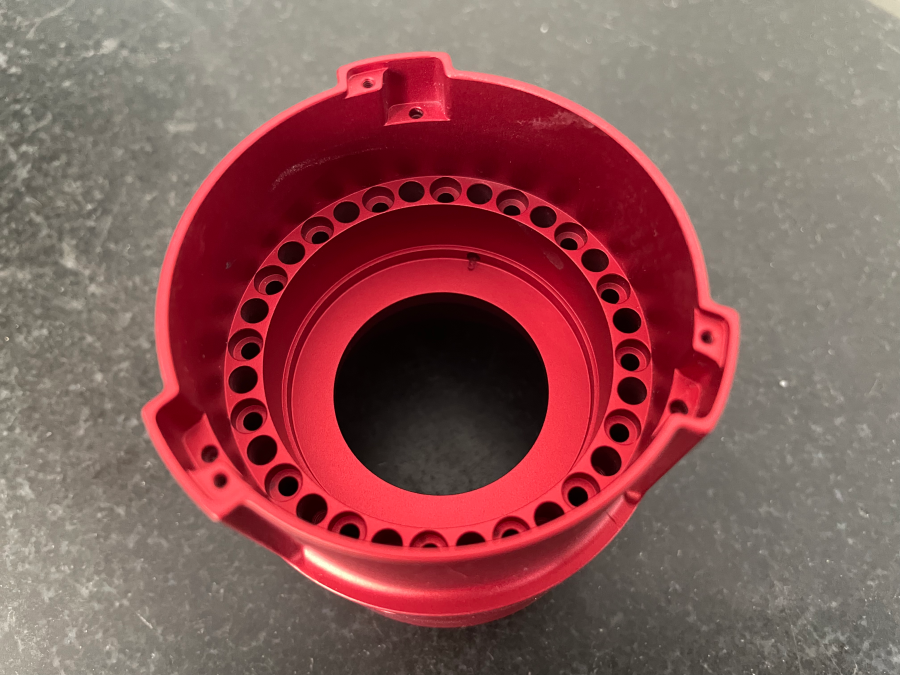
The solution involved leveraging GreatLight Metal’s capabilities in die casting for the near-net shape, followed by precision five-axis CNC machining to achieve the required tolerances on sealing surfaces and mounting points. The internal cooling channels, which would have been difficult to machine conventionally, were optimized for the casting process. The result was a fully functional prototype delivered weeks ahead of schedule, with all critical dimensions verified using in-house CMM equipment.
This integrated approach not only accelerated the development timeline but also provided valuable manufacturing insights for eventual volume production. The prototype validated both the design and the production process, reducing risk for the subsequent production ramp.
The Role of Material Science in Rapid Prototyping
The choice of material is as critical as the manufacturing process in determining prototype success. Advanced Rapid Prototyping Solutions 2026 must accommodate a wide range of engineering materials, from common aluminum alloys and stainless steels to specialized titanium alloys, tool steels, and engineering plastics.
GreatLight Metal’s material capabilities span most commonly required metals and plastics, with the ability to quickly source and process specialized materials upon request. The company’s experience with aluminum alloy 3D printing, stainless steel 3D printing, titanium alloy 3D printing, and mold steel 3D printing provides clients with options that were previously available only from specialized additive manufacturing service bureaus.
For prototypes intended for functional testing, material properties such as tensile strength, fatigue resistance, corrosion resistance, and thermal conductivity must match the final production material as closely as possible. A partner who understands these material science considerations can recommend the optimal material-process combination for each specific application.
Looking Ahead: The Future of Rapid Prototyping
As we look toward the remainder of this decade, several trends will continue to shape the rapid prototyping landscape. The convergence of artificial intelligence with manufacturing planning will enable even faster DFM feedback and process optimization. Hybrid additive-subtractive machines will become more prevalent, further blurring the line between prototyping and production. And the increasing adoption of industry-specific quality standards will raise the bar for what constitutes acceptable prototype quality.
GreatLight Metal is well-positioned to lead in this environment, with its combination of advanced equipment, deep engineering expertise, and robust quality systems. The company’s decade-long track record of serving clients in automotive, medical, aerospace, and consumer electronics provides the institutional knowledge necessary to tackle the most challenging prototyping projects.
For product development teams seeking to accelerate their innovation cycles, the message is clear: the era of treating prototyping as a simple commodity is over. Advanced Rapid Prototyping Solutions 2026 require a partner capable of delivering production-grade quality, complex multi-process integration, and genuine engineering collaboration. As you evaluate partners to bring your innovations to life, remember that Advanced Rapid Prototyping Solutions for 2026 and beyond require more than just machines; they require a commitment to precision, certified quality, and genuine engineering support. The choice you make today will directly impact your ability to compete in the fast-paced world of product development.
GreatLight Metal’s precision Five-Axis CNC machining services represent the gold standard in this new era, and their team stands ready to transform your concepts into reality. With a commitment to ISO-certified quality, rapid turnaround, and a comprehensive understanding of the manufacturing process from prototype to production, they offer the integrated solution that modern product development demands. Connect with their team on LinkedIn to explore how they can accelerate your next innovation.


![[访谈] RAPID + TCT 2024:人工智能对 3D 打印的价值](https://print-ing.com/wp-content/uploads/2024/07/INTERVIEW-60x60.jpeg "[访谈] RAPID + TCT 2024:人工智能对 3D 打印的价值 9")




发表回复
要发表评论,您必须先登录。